



Planting and Growing common foxglove

| Care difficulty | 2 / 5 |
|---|---|
| Watering schedule | Moderate regular watering, allowing brief slight drying between soakings |
| Sunlight requirements | Full sun · Partial shade |
| Ideal temperature | 15 – 25 °C |
| Soil type | Chalk · Clay · Loam · Sand |
| Soil pH | Acid · Alkaline · Neutral |
| Soil moisture | Moist but well drained · Well drained |
| Fertilizing | Balanced perennial feed every four weeks from spring through summer |
| Toxicity | TOXIC if eaten. Wear gloves and other protective equipment when handling |
How to Water common foxglove?
Common foxglove is a plant that prefers moist conditions, reflecting its native habitat of temperate woodland areas. It's not particularly drought-tolerant and appreciates a balance in moisture levels. Watering should be done twice a week to maintain optimal hydration. As an herbaceous perennial, common foxglove tends to grow best outdoors where it can benefit from natural rainfall during its active growing season.
Learn more →What Are the Sunlight Requirements for common foxglove?
Common foxglove thrives optimally in full sun, which facilitates vigorous growth and maximal flowering. However, it exhibits a good degree of adaptability, tolerating partial sun conditions. While common foxglove can grow in less intense sunlight, its flowering potential might decrease, and the plant may exhibit leggier growth. Adaptively, common foxglove can adjust its leaf orientation to maximize light absorption under variable light conditions. Ideally planted outdoors, common foxglove performs best in open areas that receive ample sunlight for most of the day, making edge-of-woodlands or open meadows ideal locations.
Learn more →What Is the Ideal Temperature Range for common foxglove?

Native to Northwest Africa and Europe, common foxglove prefers cooler temperatures than hot weather. This plant will happily grow in temperatures between 12 to 28 ℃ with the optimum temperature being around 18 to 20 ℃. If the temperature is over 30 ℃, the plant may start to wilt and die. It can also tolerate winter conditions, thus making it a perfect choice for a range of outdoor environments. Common foxglove enjoys moisture but is not tolerant of waterlogging. Supplemental water is needed in dry seasons.
Learn more →What Soil Is Best for common foxglove?
Common foxglove prefers well-drained soil with good aeration. Use a mix of garden soil, compost, and sand in equal parts to improve drainage. If sand isn't available, perlite can be a suitable alternative. To prevent water-logging, ensure pots have drainage holes and consider adding a layer of gravel at the bottom. Supplement the soil mix with a balanced, slow-release fertilizer in early spring to support growth.
- Soil type
- Chalk · Clay · Loam · Sand
- Soil pH
- Acid · Alkaline · Neutral
What Are the Moisture Requirements for common foxglove?
Moist but well drained · Well drained
Learn more →How to Fertilize common foxglove?

Fertilize common foxglove sparingly with high-phosphorus fertilizer to bolster blooming; apply once in early spring and again when flower spikes form. Over-fertilization can harm common foxglove, so no more than 1/2 teaspoon per plant is necessary. Be mindful of run-off, particularly in alkaline soils. Variations in fertilization during dormancy or active growth are not required for common foxglove, as excessive feeding can lead to foliage at the expense of flowers. Water common foxglove thoroughly after fertilizing to aid nutrient absorption and mitigate root burn.
Learn more →How to Prune common foxglove?

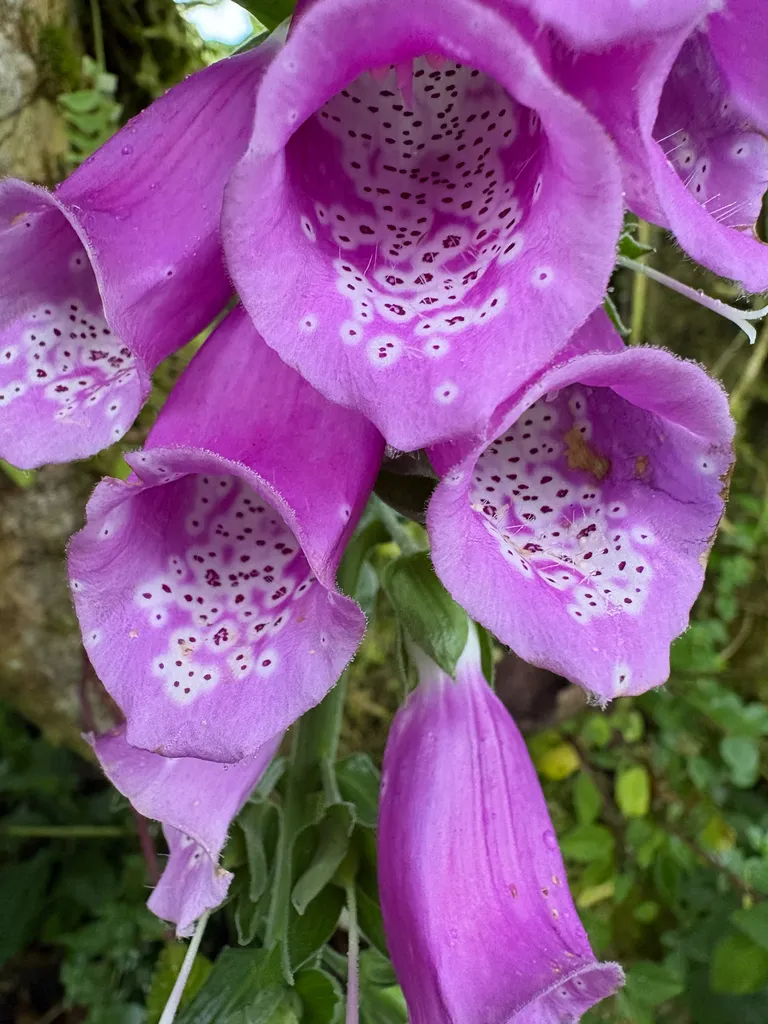
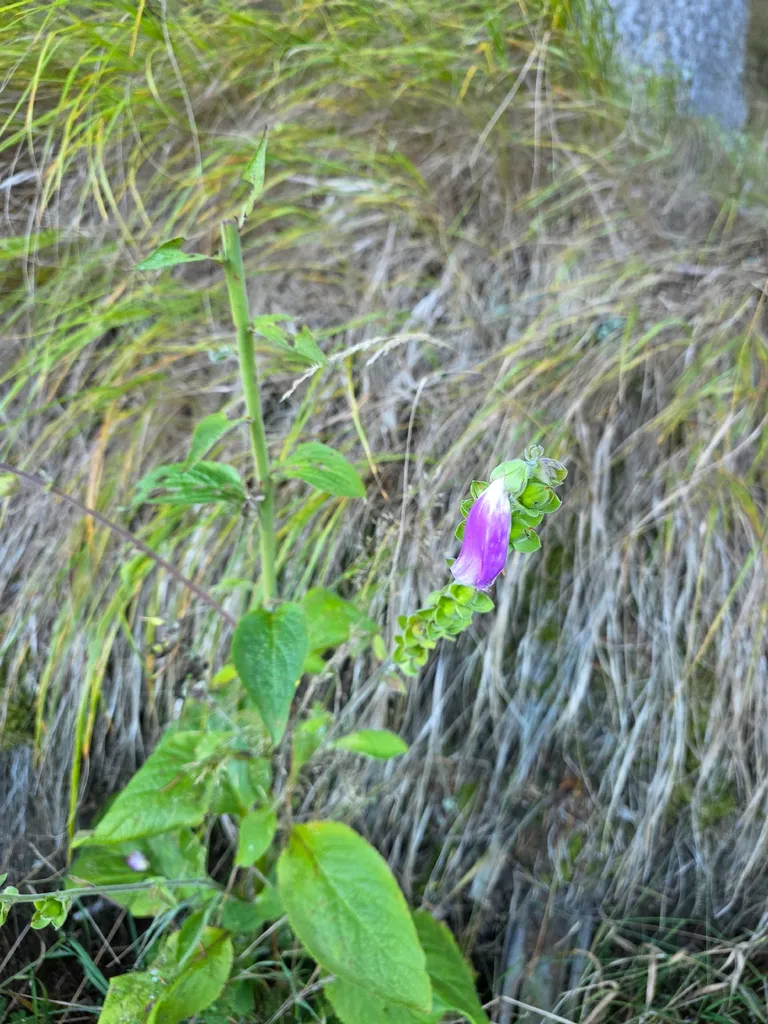
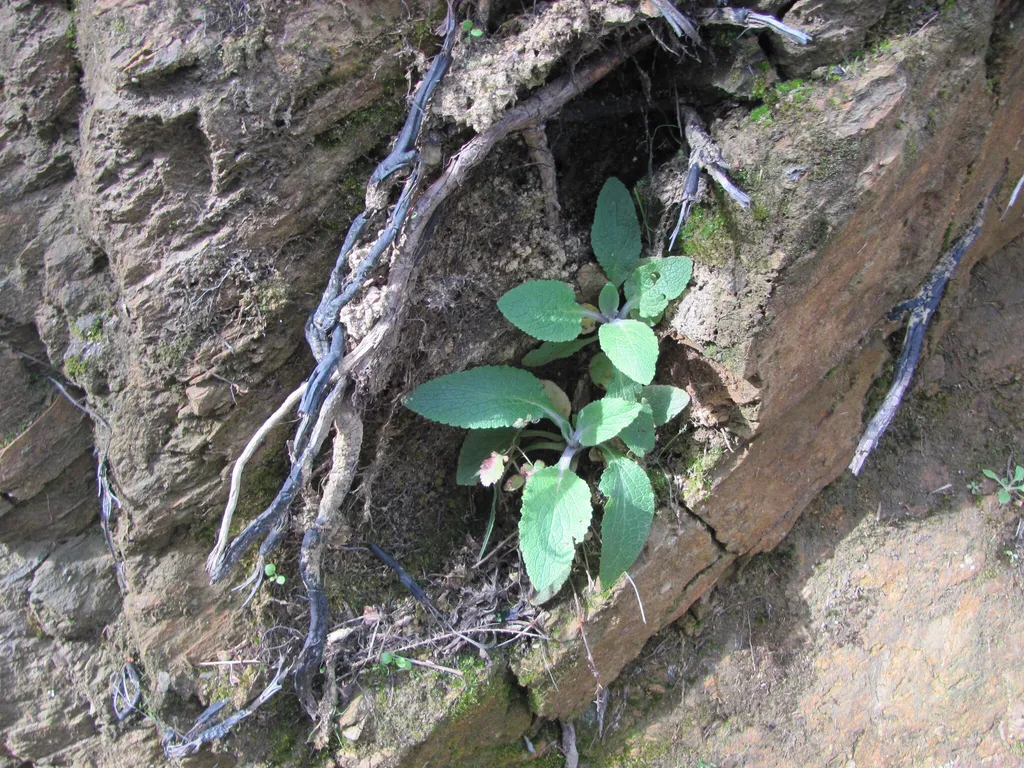
Common foxglove features tall spires of tubular flowers and heart-shaped leaves. Prune in early to late spring by removing spent flower stalks to encourage new blooms. Cut back to the basal rosette to enhance plant vigor and shape. Consider pruning for plant health by removing damaged or diseased foliage. Proper pruning timing aligns with the plant's spring growth spurts, optimizing flower production and overall aesthetics. Reference reputable horticulture guides to refine techniques specific to common foxglove.
Learn more →How to Propagate common foxglove?

Common foxglove is best propagated through sowing seeds. To encourage germination, providing a stable environment with appropriate moisture and temperature control is essential. The seeds should be sown in a well-draining soil mix, lightly covered with soil, and kept damp but not waterlogged. Once seedlings emerge, they require careful handling; transplanting should be done with attention to not damaging their delicate roots. Adequate spacing is key for optimal growth.
Learn more →How to Transplant common foxglove?
Transplant common foxglove during early spring, as the cooler temperatures and frequent rains make it the ideal season. Choose a partially shaded location with well-draining soil, and remember to space the plants 18-24 inches apart for optimal growth.
Learn more →How to Plant common foxglove?
Indoors-potted: For indoor care, common foxglove thrive in a well-ventilated area to prevent moisture buildup that can lead to fungal diseases. Outdoors-potted: In an outdoor pot, common foxglove may need staking as their tall spikes can catch the wind and become top-heavy. Outdoors-in the ground: Common foxglove require ample space outdoors as they self-seed prolifically, creating a stunning natural drift over time.
Learn more →How to Repot common foxglove?
Needs excellent drainage in pots
Learn more →How to Harvest common foxglove?

Due to its colorful bloom, some people harvest the flowers of the common foxglove. These flowers will be harvested at the beginning of summer. When you are gathering its flowers, it is advisable to wear gloves. Common foxglove is used as an ingredient for a form of heart medication and is commercially harvested throughout the year. Unless you are a trained medical expert, do not try to harvest or administer this for medication purposes. If you accidentally ingest this plant, please seek medical help immediately.
Learn more →Common Pests & Diseases

Diseases
May be susceptible to powdery mildews, downy mildews and leaf spot
Pests
May be susceptible to aphids and leaf and bud eelworm
Explore the plant health library →Troubleshooting
Leggy Stems, Sparse Flowering, or Root Rot
common foxglove (Digitalis purpurea) performs best in well-drained soil with appropriate sunlight and regular deadheading; soggy soil rots roots, while low light or skipped pinching causes leggy growth.
| What you notice | Possible explanation | What to check next |
|---|---|---|
| Stems stretch tall and floppy with sparse blooms | Insufficient direct sunlight, lack of early-season pinching/deadheading, or excess high-nitrogen fertilizer | Assess daily sun hours and check whether spent flowers are left to set seed |
| Lower leaves turn yellow and plant wilts while soil stays wet and heavy | Root or stem rot from overwatering or poor drainage (May be susceptible to powdery mildews, downy mildews and leaf spot) | Check soil drainage and ensure containers have open drainage holes |
- Grow in fertile, well-drained soil in full sun or partial shade, spacing plants for good airflow.
- Water consistently without waterlogging: Moderate regular watering, allowing brief slight drying between soakings.
- Maintain compact flowering growth: Cut back after flowering.
Stop watering waterlogged containers immediately and improve drainage before fungal root or stem rot spreads.
Powdery Mildew, Rust, or Aphids and Slugs
Crowded foliage, dry root stress, or damp stagnant air can trigger mildew or rust on common foxglove (Digitalis purpurea), while tender shoots attract pests.
| What you notice | Possible explanation | What to check next |
|---|---|---|
| White powdery coating or rusty/dark spots on leaves in humid or drought-stressed beds | Fungal disease (May be susceptible to powdery mildews, downy mildews and leaf spot) | Inspect lower leaves and spent blooms and check plant spacing |
| Distorted shoot tips with aphids, or ragged holes chewed in young leaves | Common pests (May be susceptible to aphids and leaf and bud eelworm) | Check shoot tips, leaf undersides, and damp ground around the crown |
- Water at the base of the plant early in the day rather than overhead, and divide congested clumps in spring or autumn every 2–3 years.
- Remove diseased leaves and faded flowers promptly, and clear plant debris at season's end.
- Manage aphids with a firm water spray or insecticidal soap per label directions, and protect young shoots from slugs.
Protect frost-tender tubers or half-hardy bedding indoors or under glass before autumn frosts.
The Toxicity of common foxglove
TOXIC if eaten. Wear gloves and other protective equipment when handling