



Planting and Growing Siberian bugloss 'Looking Glass'

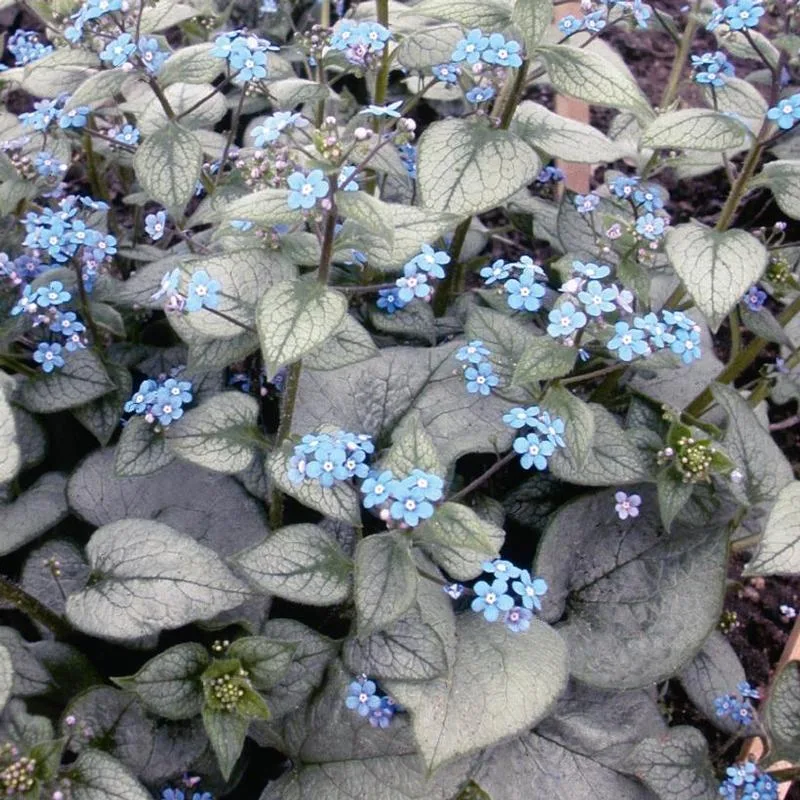
| Care difficulty | 2 / 5 |
|---|---|
| Watering schedule | Keep rich woodland soil evenly moist, never baking dry in summer |
| Sunlight requirements | Full shade · Full sun · Partial shade |
| Ideal temperature | Information to be completed |
| Soil type | Chalk · Clay · Loam |
| Soil pH | Acid · Alkaline · Neutral |
| Soil moisture | Moist but well drained |
| Fertilizing | Light balanced feed monthly during spring and early summer growth |
| Toxicity | Information to be completed |
How to Water Siberian bugloss 'Looking Glass'?
Keep rich woodland soil evenly moist, never baking dry in summer
Learn more →What Are the Sunlight Requirements for Siberian bugloss 'Looking Glass'?
Full shade · Full sun · Partial shade
Learn more →What Soil Is Best for Siberian bugloss 'Looking Glass'?
- Soil type
- Chalk · Clay · Loam
- Soil pH
- Acid · Alkaline · Neutral
What Are the Moisture Requirements for Siberian bugloss 'Looking Glass'?
Moist but well drained
Learn more →How to Fertilize Siberian bugloss 'Looking Glass'?

Light balanced feed monthly during spring and early summer growth
Learn more →How to Prune Siberian bugloss 'Looking Glass'?

Older leaves can be cut back in spring and during growing season to encourage new growth. Leave the plant to age in autumn to protect the crown. If overcrowded after a few years, in spring dig up carefully with a fork, tease out roots and select the heathiest clumps for replanting.
Learn more →How to Propagate Siberian bugloss 'Looking Glass'?

Propagate from roots in spring
Learn more →How to Plant Siberian bugloss 'Looking Glass'?
Best cultivated in full or dappled shade in woodland conditions which do not dry out. In full sun keep soil moist, mulched.
Learn more →Common Pests & Diseases

Diseases
Generally disease-free
Pests
May be attacked by slugs and snails
Explore the plant health library →