



Planting and Growing lemon grass

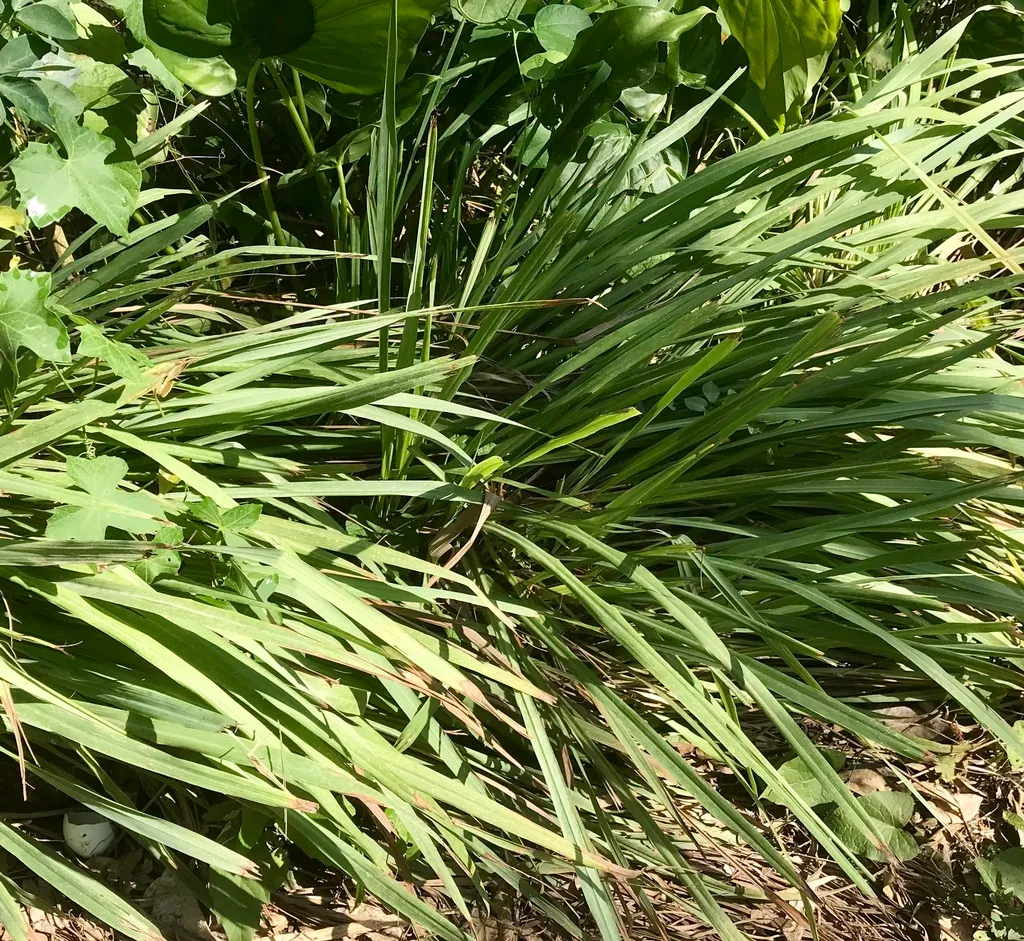
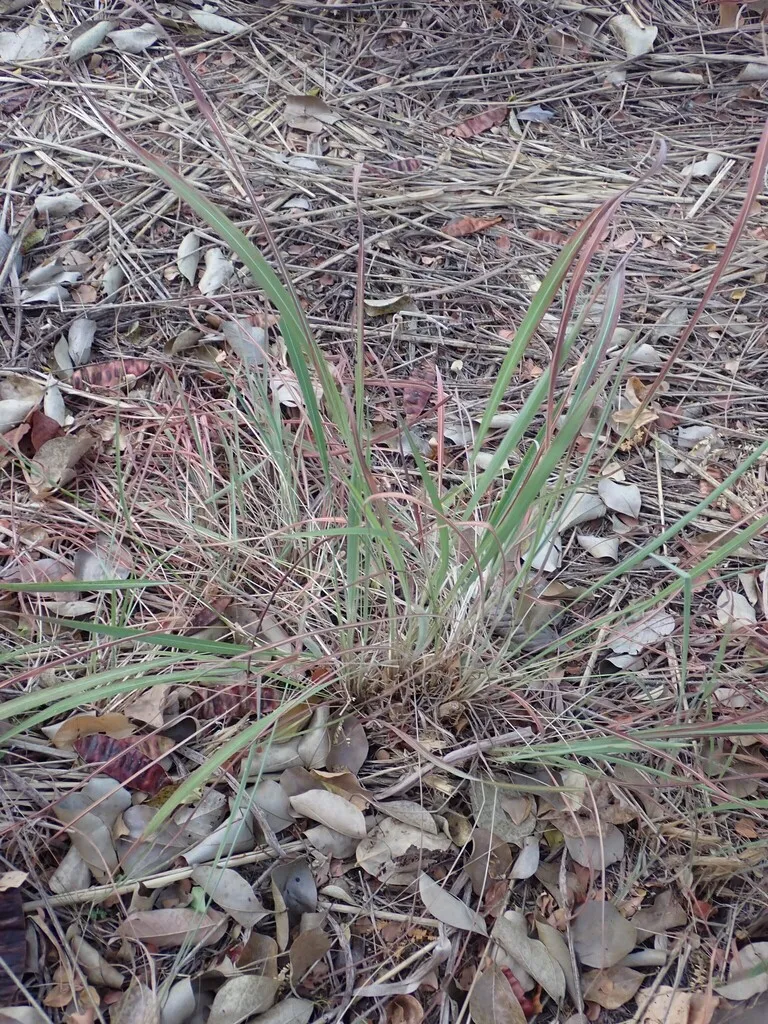
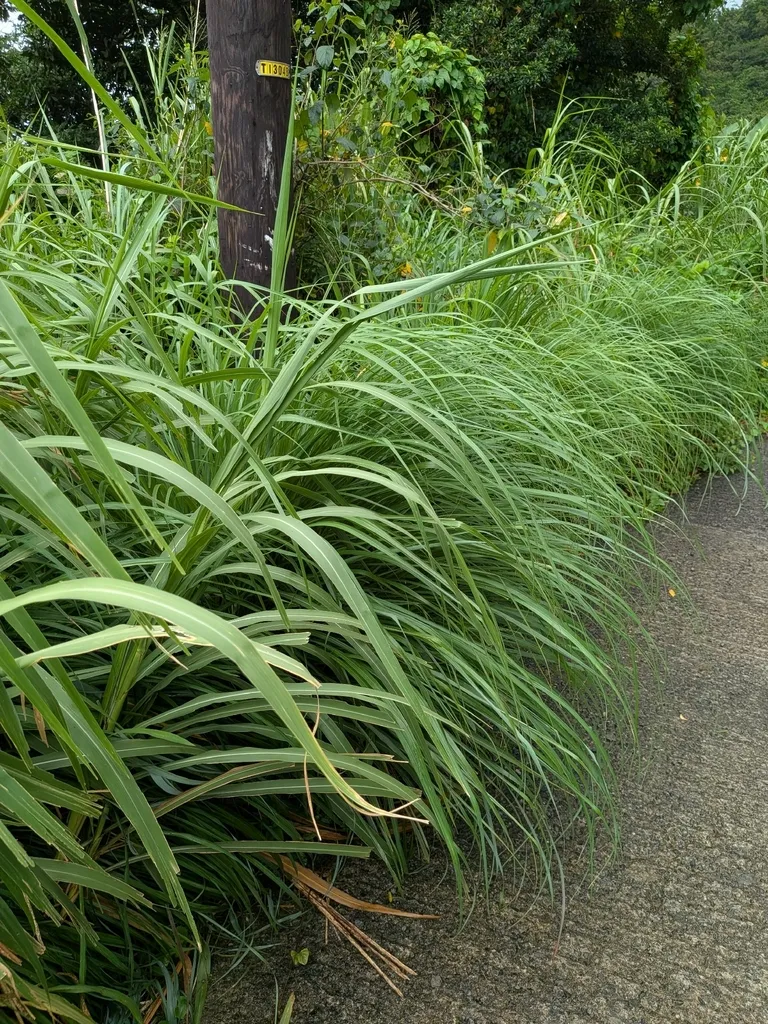
| Care difficulty | 2 / 5 |
|---|---|
| Watering schedule | Regular moderate watering, soil never fully desiccated |
| Sunlight requirements | Full sun |
| Ideal temperature | 20 – 30 °C |
| Soil type | Loam |
| Soil pH | Acid · Alkaline · Neutral |
| Soil moisture | Moist but well drained |
| Fertilizing | All-purpose mild feed applied once per month growing season |
| Toxicity | Information to be completed |
How to Water lemon grass?
Thriving in its native tropical climates, lemon grass has adapted to frequent rainfalls and high humidity levels. This species exhibits a preference for consistent moisture, maintaining a delicate balance between hydration and drainage. Watering should be done twice a week to mimic the plant's natural environment. As an herb commonly grown outdoors, lemon grass benefits from regular watering during its active growing season to support its lush foliage and aromatic qualities.
Learn more →What Are the Sunlight Requirements for lemon grass?
Lemon grass flourishes optimally under full sun conditions, garnering strength and vitality through extensive exposure to intense and direct sunlight. This preference facilitates robust growth and enhances the vigor of its aromatic properties. Lemon grass does exhibit a degree of resilience to varying levels of light, capable of adjusting to partial sun; however, such a reduction from ideal may result in diminished growth rates and a possible decrease in essential oil concentrations within the blades. When cultivated outdoors, lemon grass thrives best in open areas unobstructed by shade, ensuring maximal sunlight reception. Its sun-seeking nature is a testimony to its tropical origins, where sunlight is abundant and crucial for its development.
Learn more →What Is the Ideal Temperature Range for lemon grass?

Lemon grass exhibits notable resilience to temperature variations, tolerating cold down to 5°C (41°F) and heat up to 43°C (109°F). However, it is generally more sensitive to cold than heat. Under cold conditions, symptoms like leaf discoloration and stunted growth may occur. In excessive heat, wilting and leaf burn can be observed. Protective measures such as frost cloths or proper mulching are essential during cold spells, while adequate watering and shading help mitigate overheating. These temperature tolerances make lemon grass suitable for regions with warm climates but may require extra care in temperate zones.
Learn more →What Soil Is Best for lemon grass?
Lemon grass thrives in well-aerated soil with excellent drainage to prevent water-logging. Create a suitable soil mix using equal parts garden soil, sand, and compost. If sand is not available, substitute with perlite. Ensure drainage by placing a layer of gravel at the bottom of the pot. Enhance growth with a balanced fertilizer every 6-8 weeks during the growing season.
- Soil type
- Loam
- Soil pH
- Acid · Alkaline · Neutral
What Are the Moisture Requirements for lemon grass?
Moist but well drained
Learn more →How to Fertilize lemon grass?

For lemon grass, integrating organic mulch or compost is optimal, providing slow-release nutrients essential for robust growth. Fertilize bi-monthly during active growing seasons, with a reduced winter application. A thin layer suffices, avoiding stem contact to prevent rot. Benefits include heightened vigor and resilience. Seasonal variations in growth necessitate adjusted feeding schedules. Always water post-application to aid nutrient absorption and root health. Use gloves when handling fertilizers to ensure safety.
Learn more →How to Prune lemon grass?

A robust perennial grass known for its aromatic leaves, lemon grass benefits from early spring pruning to encourage healthy growth. Trim back dead or diseased leaves at the base, ensuring about a third of the plant remains. Regular pruning enhances air circulation, reduces pest issues, and promotes new, vigorous shoots. Be cautious to avoid over-pruning, as this can weaken the plant. Proper pruning improves both the plant’s aesthetic and functional qualities.
Learn more →How to Propagate lemon grass?

Lemon grass is best propagated by division during Spring and Autumn. It's relatively easy to propagate, with successful signs being new shoot growth. Ensure divisions have ample root structures for optimal success.
Learn more →How to Transplant lemon grass?
The perfect time to transplant lemon grass is during the fresh warmth of early-to-mid spring. This perennial plant thrives in sunny locations with well-draining soil. When transplanting, make sure to handle the delicate root systems gently. Happy planting!
Learn more →How to Care for lemon grass in Winter?

Lemon grass thrives in warm, tropical climates, naturally struggling with frost and cold winters. However, lemon grass's resilience allows it to survive as a perennial in warmer zones or an annual in colder ones. For over-winter care, gardeners should consider growing lemon grass in pots for indoors overwintering, ensuring a bright, warm spot mimicking its native habitats. Regular trimming keeps the plant manageable whilst enhancing its aromatic qualities.
Learn more →How to Plant lemon grass?
Indoors-potted: In an indoor setting, lemon grass thrives with ample airflow to mimic its natural breezy habitat, ensuring healthy growth and robust flavor. Outdoors-potted: When potted outdoors, lemon grass enjoys being rotated regularly to promote even growth and prevent leaning towards the light source. Outdoors-in the ground: Planted in the garden, lemon grass requires space to spread its roots—crowding can impede its vigor and aromatic qualities.
Learn more →How to Repot lemon grass?
For lemon grass, a fragrant tropical grass, repot every 2-3 years to accommodate its quick growth. Early spring is ideal, aiding its active phase. Select a large container for its dense roots. After repotting, keep in a sunny spot and water regularly for robust growth. Despite ease of care, ensure good drainage to prevent root rot.
Learn more →How to Harvest lemon grass?

Lemon grass is harvested for its citrus-like scented leaves and bulbous stem base, which are both used as food flavorings. You can start harvesting your lemon grass as soon as it reaches about 30 cm in height and is 1.3 cm thick at the base. There are two ways of harvesting these plants; you can either cut the stalks at the bottom or pull them up from the ground. Be careful when handling this plant, since the leaves can be sharp at times.
Learn more →Common Pests & Diseases

Diseases
Generally disease-free
Pests
Generally pest-free
Explore the plant health library →Troubleshooting
Poor Flowering/Fruiting, Premature Decline, or Bulb/Root Rot
lemon grass (Cymbopogon citratus) requires steady soil moisture, well-drained fertile soil, and full sunlight; waterlogged soil quickly rots bulbs and roots, while drought swings or shade reduce yield or blooms.
| What you notice | Possible explanation | What to check next |
|---|---|---|
| Lower leaves yellow and plants wilt or collapse at the base in wet soil | Waterlogged soil or bulb/root rot (Generally disease-free) | Inspect soil drainage and ensure containers have open drainage holes |
| Weak stems, poor pod/fruit set (e.g., blossom end rot or unpollinated fruits on Cucurbita pepo), or sparse flowers | Insufficient direct sun, irregular watering swings, or lack of insect pollination | Assess daily sun hours, watering consistency, and pollinator activity |
- Grow in fertile, well-drained soil in full sun, spacing plants properly for good air circulation.
- Maintain even moisture without waterlogging: Regular moderate watering, soil never fully desiccated.
- Lift and store frost-tender corms/tubers/bulbs (such as Gladiolus and Freesia) in cool dry frost-free conditions after foliage dies down, and rotate annual crops.
For Cyclamen persicum, allow tubers to rest nearly dry in cool shade during summer dormancy after leaves yellow naturally.
Powdery Mildew, Aphids, Slugs, or Thrips
Humid crowded foliage or dry root stress encourages powdery mildew or grey mould on lemon grass (Cymbopogon citratus), while tender shoots and flowers attract Generally pest-free.
| What you notice | Possible explanation | What to check next |
|---|---|---|
| White powdery coating on leaves or grey mold on damp flowers/stems | Fungal disease (Generally disease-free) | Check plant spacing and whether overhead watering wets foliage late in the day |
| Silvery streaks on petals/leaves, sticky clusters of aphids, or ragged holes chewed in young leaves | Common pests (Generally pest-free) | Inspect leaf undersides, flower buds, and damp ground around the crown |
- Water at the soil base in the morning rather than overhead so foliage dries quickly.
- Remove mildewed leaves and faded flowers promptly, and clear plant debris at season's end.
- Manage aphids or thrips with a firm water spray or insecticidal soap per label directions, and protect young shoots from slugs.
Discard any bitter-tasting Cucurbita pepo fruits immediately, as bitterness indicates toxic cucurbitacins.