
lemon grass
Also known as: serai; squinant
A densely-tufted, clump-forming, evergreen grass with hollow, cane-like stems and erect to arching, narrow, strongly lemon-scented, pale blue-green leaves up to 90cm long. Flowers are green and pinkish brown, in loose, branched sprays in late summer and autumn, but rarely appear under glass
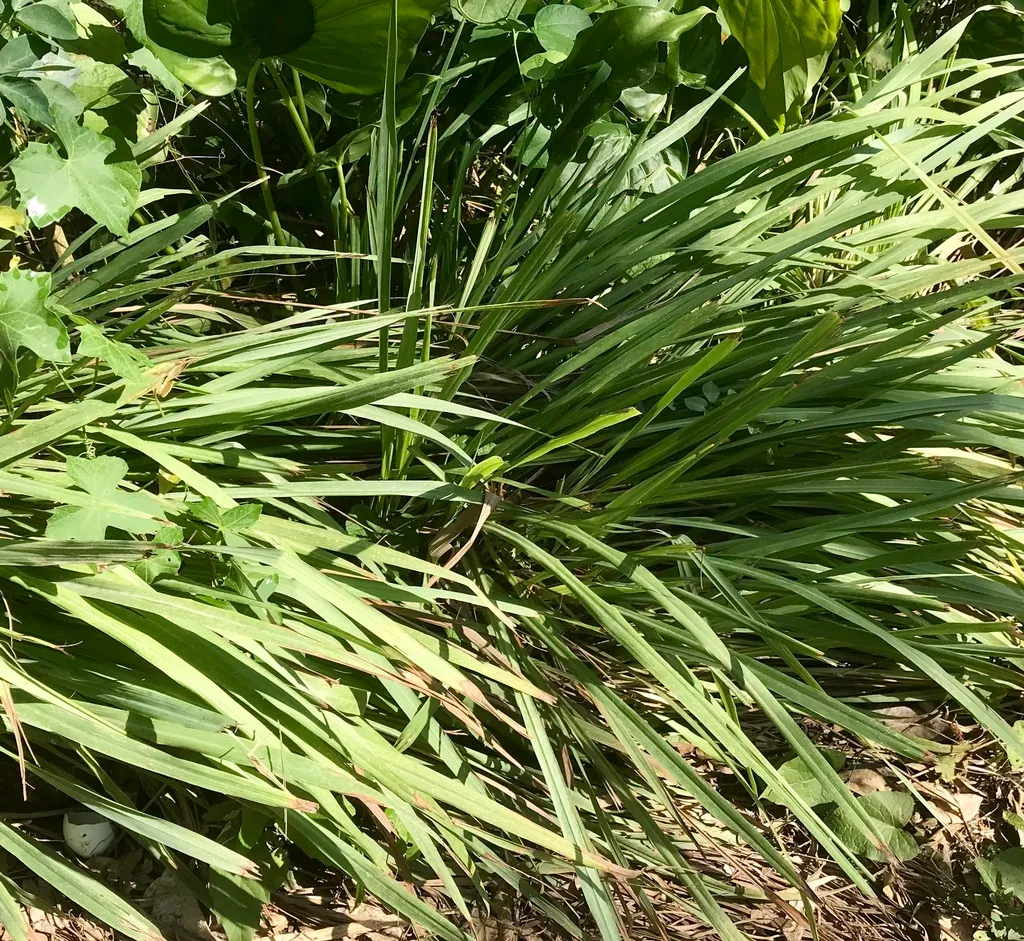
Scientific classification
- Species
- lemon grass (Cymbopogon citratus)
- Genus
- Cymbopogon
- Family
- Poaceae
- Order
- Poales
- Class
- Liliopsida
- Phylum
- Magnoliophyta
- Information to be completed
- Toxicity
- Conservatory Greenhouse · Grass Like · Herbs - Culinary
- Plant type
- 1-1.5 metres
- Height
- 0.5-1 metres
- Spread
- Evergreen
- Foliage
- Bushy
- Habit
- Spring · Summer · Autumn · Winter
- Season of interest
- Full sun
- Sunlight
- 20 – 30 °C
- Ideal temperature









lemon grass pictures
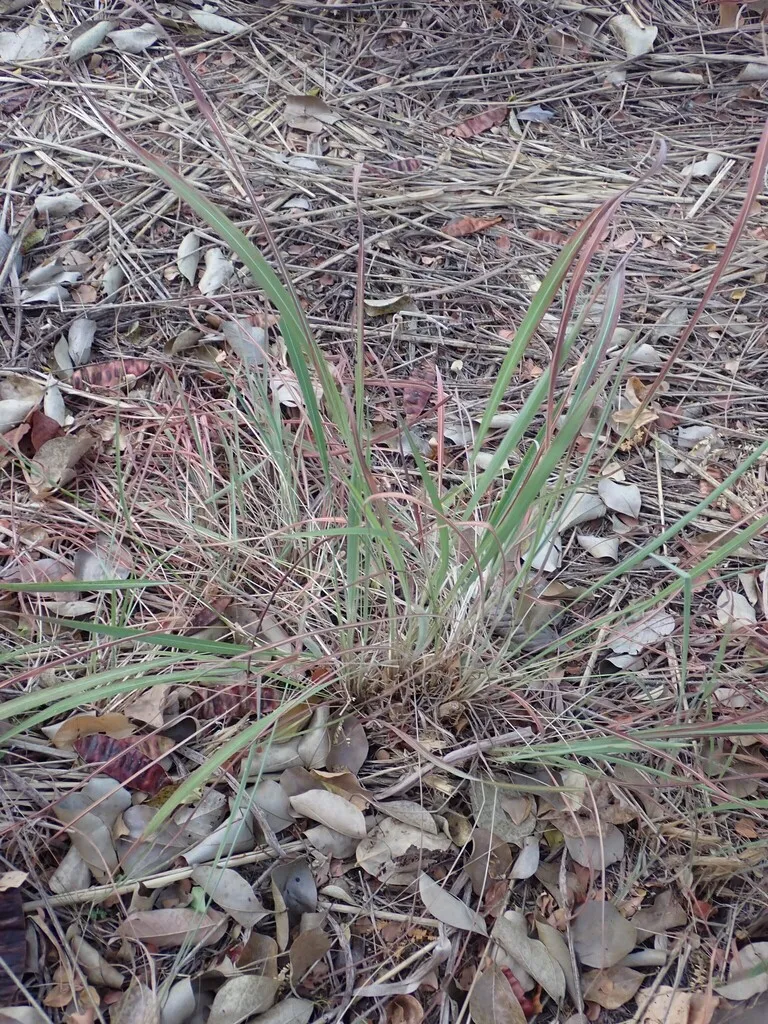
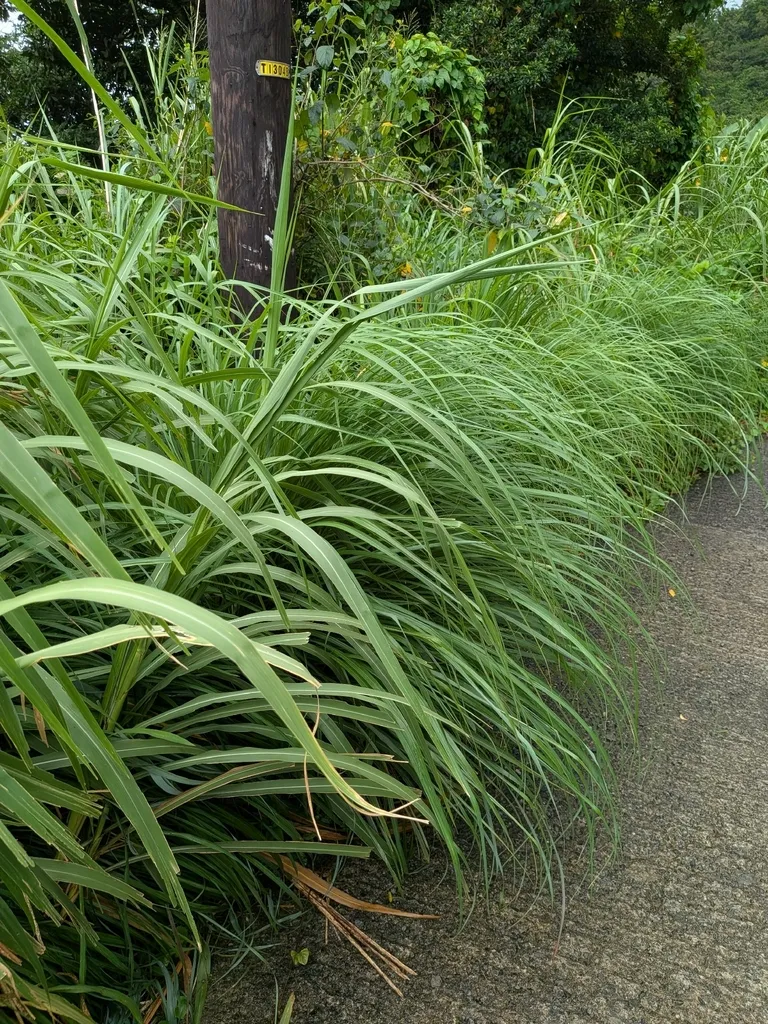
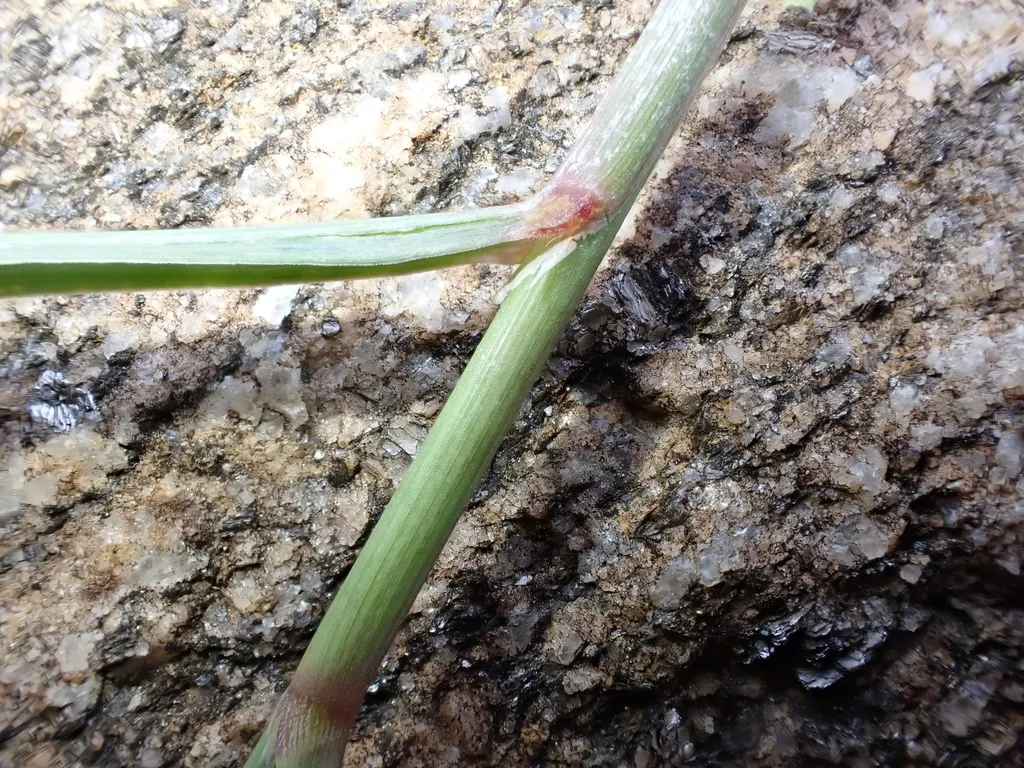
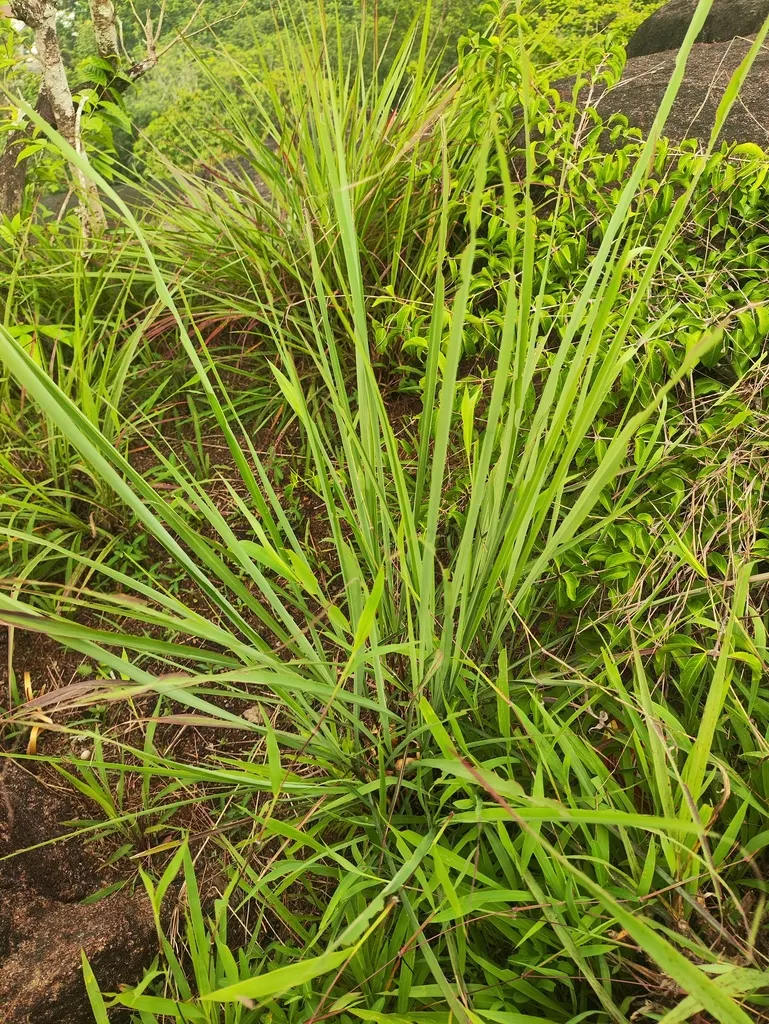
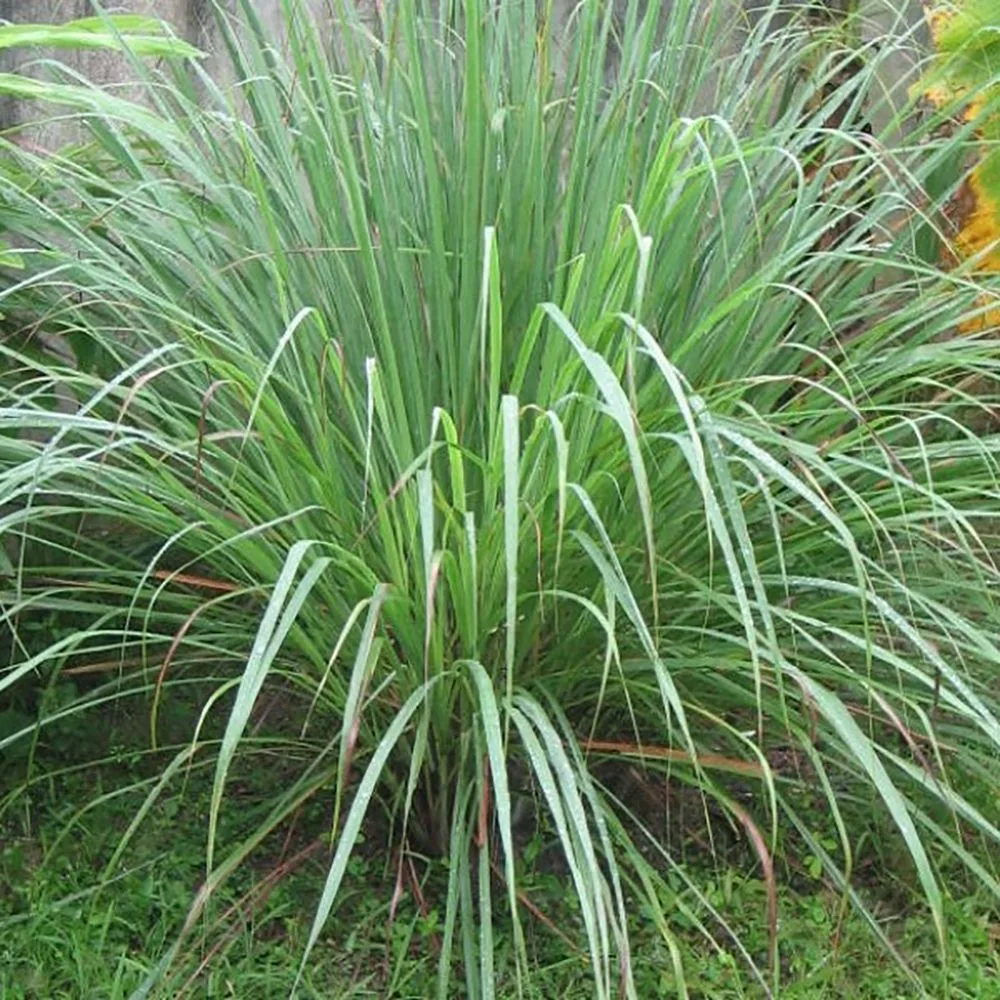
Distribution of lemon grass
Distribution map
- Native
- Introduced
- Cultivated
Source:WCVP v16 · Royal Botanic Gardens, Kew · CC BY 3.0 · Boundaries:WGSRPD / TDWG
lemon grass care guide
- Regular moderate watering, soil never fully desiccated
- Watering
- Full sun
- Sunlight
- 20 – 30 °C
- Ideal temperature

Watering
Regular moderate watering, soil never fully desiccated
Fertilizing
 Fertilizing
All-purpose mild feed applied once per month growing season
Pruning
 Pruning
No pruning required
Propagation
 Propagation
Propagate by seed sown at 13-18°C in early spring, or by division in late spring. Fresh shoots sold for cooking will often root successfully. See sowing seeds indoors for further advice
Growing
 Growing
Grow under glass in loam-based compost in full light with moderate humidity. Follow lemongrass cultivation for more advice
Common pests and diseases
Diseases
Generally disease-free
Pests
Generally pest-free
Explore the plant health library →




