



Planting and Growing Dahlia 'Glorie van Noordwijk'

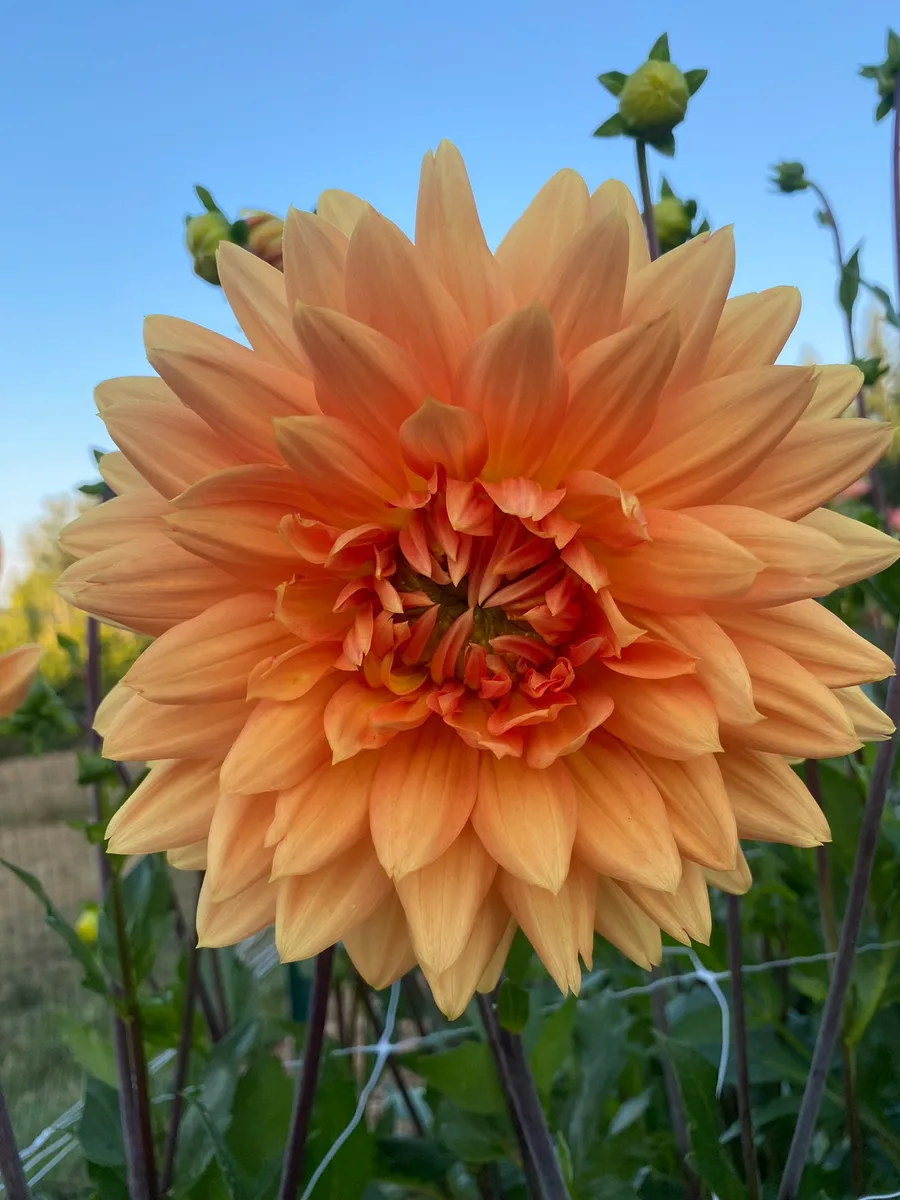
| Care difficulty | 1 / 5 |
|---|---|
| Watering schedule | Regular deep watering, keeping soil evenly moist in active summer growth |
| Sunlight requirements | Full sun |
| Ideal temperature | Information to be completed |
| Soil type | Chalk · Clay · Loam · Sand |
| Soil pH | Acid · Alkaline · Neutral |
| Soil moisture | Moist but well drained |
| Fertilizing | High-potash dahlia feed every two weeks from growth to flowering |
| Toxicity | Information to be completed |
How to Water Dahlia 'Glorie van Noordwijk'?
Regular deep watering, keeping soil evenly moist in active summer growth
Learn more →What Are the Sunlight Requirements for Dahlia 'Glorie van Noordwijk'?
Full sun
Learn more →What Soil Is Best for Dahlia 'Glorie van Noordwijk'?
- Soil type
- Chalk · Clay · Loam · Sand
- Soil pH
- Acid · Alkaline · Neutral
What Are the Moisture Requirements for Dahlia 'Glorie van Noordwijk'?
Moist but well drained
Learn more →How to Fertilize Dahlia 'Glorie van Noordwijk'?

High-potash dahlia feed every two weeks from growth to flowering
Learn more →How to Prune Dahlia 'Glorie van Noordwijk'?

Deadhead to prolong flowering. Cut back to near ground level in the autumn, before lifting and storing for the winter
Learn more →How to Propagate Dahlia 'Glorie van Noordwijk'?

Propagate by seed sown at 16ºC in spring, harden off and plant out when all danger of frost has passed; or propagate by division, dividing tubers in early spring, ensuring each section has a growing shoot
Learn more →How to Plant Dahlia 'Glorie van Noordwijk'?
Grow in fertile, humus-rich, well-drained soil, in full sun; may require support, see staking (perennials). Lift and store tubers in autumn to replant or use as a source of cuttings in spring. For more advice, see dahlia cultivation
Learn more →Common Pests & Diseases

Diseases
May be susceptible to powdery mildews and virus diseases; tubers may rot in storage in damp conditions
Pests
May be susceptible to aphids, capsid bugs, glasshouse red spider mite, caterpillars, earwigs and slugs
Explore the plant health library →