



Planting and Growing ivy-leaved philodendron

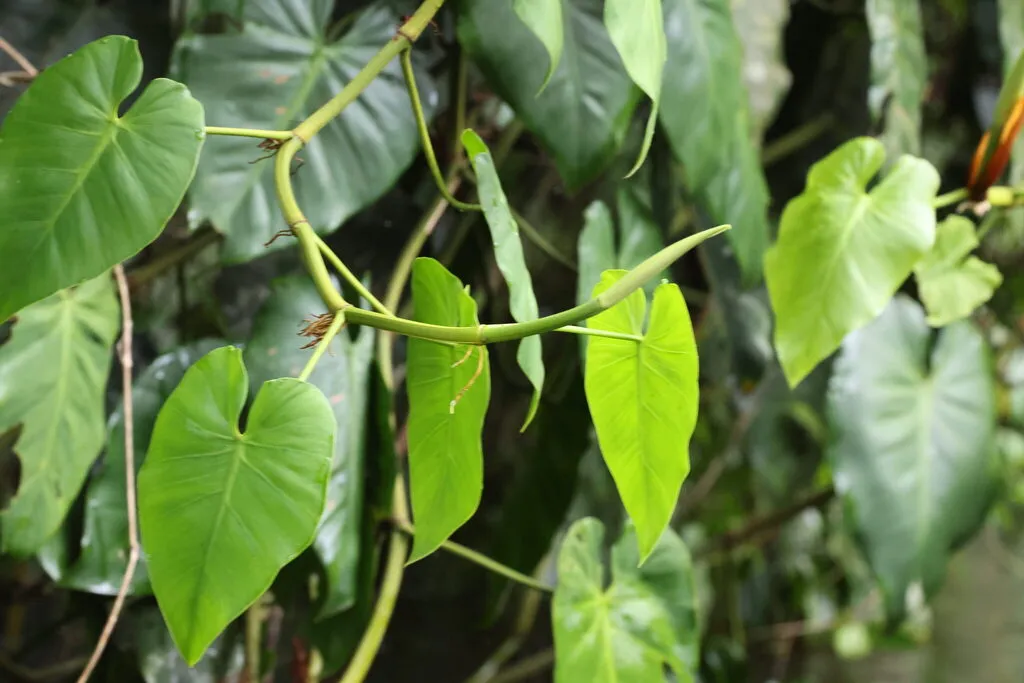
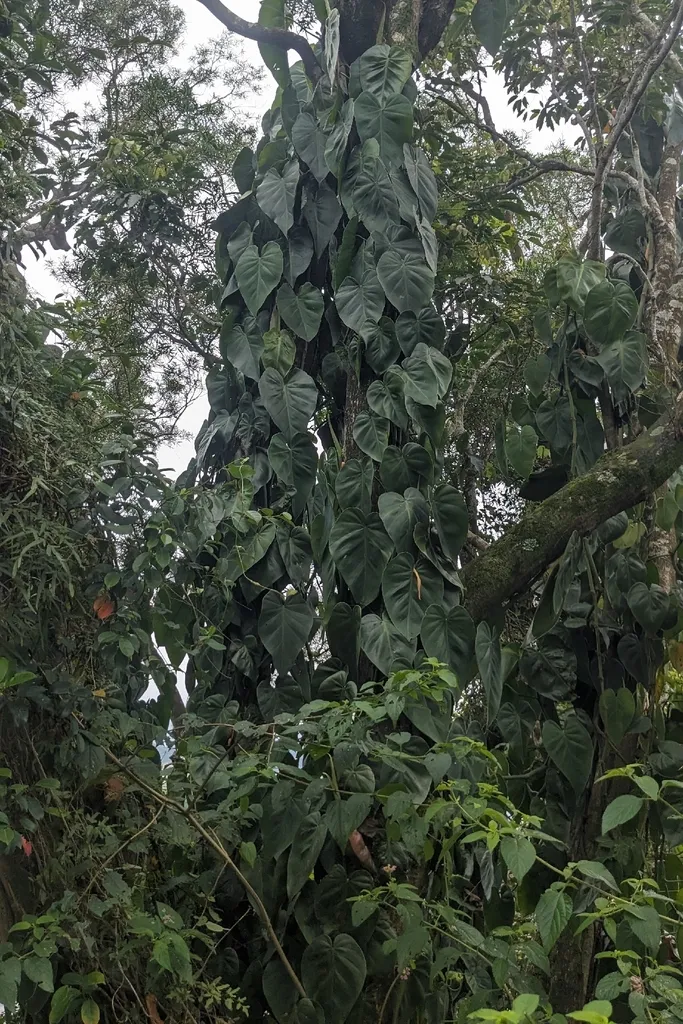
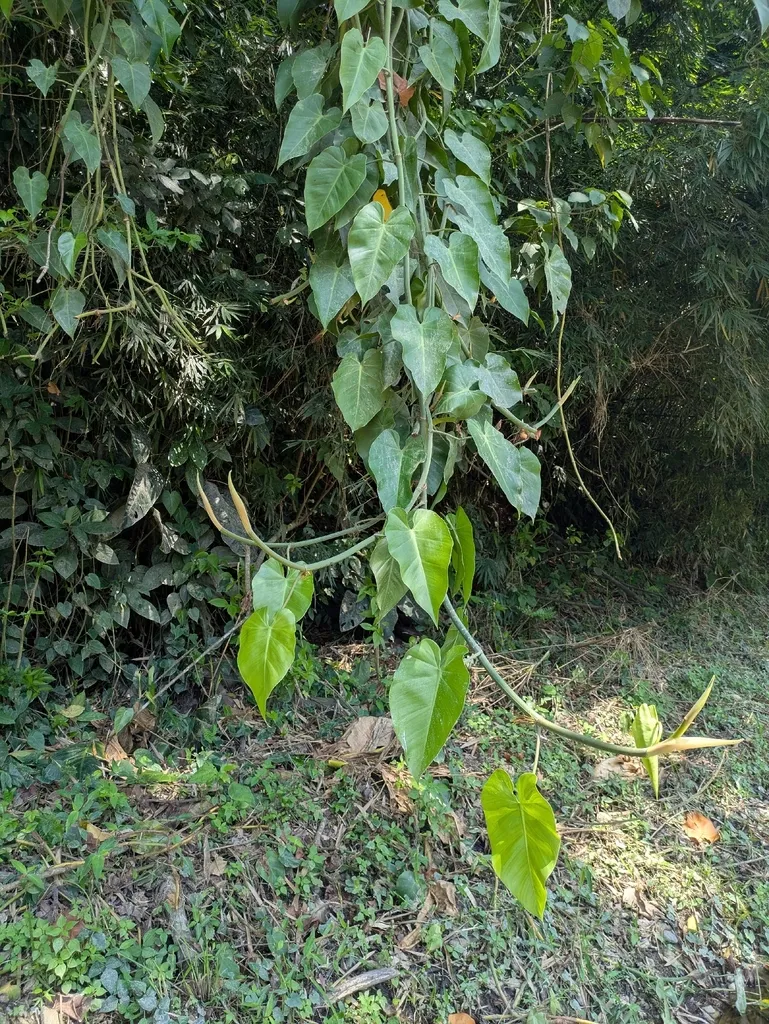
| Care difficulty | 1 / 5 |
|---|---|
| Watering schedule | Keep soil slightly moist, allow top inch to dry between waterings |
| Sunlight requirements | Partial shade |
| Ideal temperature | 18 – 27 °C |
| Soil type | Sand |
| Soil pH | Acid · Alkaline · Neutral |
| Soil moisture | Well drained |
| Fertilizing | Monthly during growing season |
| Toxicity | Harmful if eaten, skin/eye irritant/allergen. Wear gloves and other protective equipment when handling] |
How to Water ivy-leaved philodendron?
Thriving in the humid understory of tropical rainforests, heartleaf philodendron has adapted to appreciate consistent moisture without being waterlogged. It is drought-tolerant to an extent but prefers a stable environment with high humidity. For optimal health, watering should be maintained at once every week. As an evergreen plant commonly grown indoors due to its love for stable temperatures and indirect light, heartleaf philodendron benefits from regular misting to mimic its native humid conditions.
Learn more →What Are the Sunlight Requirements for ivy-leaved philodendron?
Heartleaf philodendron thrives in full shade, which is the ideal light setting for its robust growth and vibrant foliage. It tolerates partial sun, but prolonged exposure can lead to scorched leaves and stunted growth. Adaptive in nature, heartleaf philodendron may adjust leaf orientation to optimize light absorption. When grown indoors, it prefers locations away from direct sunlight, flourishing near north-facing windows. Outdoors, heartleaf philodendron should be planted in spots where dappled sunlight can mimic its natural, understory habitat, ensuring a healthy development.
Learn more →What Is the Ideal Temperature Range for ivy-leaved philodendron?

Native to Central and South America, the plant thrives in warm, humid environments with temperatures ranging from moderate to warm. It prefers bright, indirect light and can tolerate low light conditions. While it can adapt to a range of temperatures, it is best to avoid exposing it to freezing cold or extreme heat. If necessary, provide extra warmth through indoor heating or a heat mat, and protect from drafts.
Learn more →What Soil Is Best for ivy-leaved philodendron?
Heartleaf philodendron needs a loose, fertile and sandy culture medium and the suitable pH value is 5.5-5.6. The formula ratio of culture medium can be 1/2 peat + 1/4 perlite +1/4 garden soil, and special culture soil for Philodendron spp. can also be directly bought. Adding humus to the culture medium will make the plant grow better.
- Soil type
- Sand
- Soil pH
- Acid · Alkaline · Neutral
What Are the Moisture Requirements for ivy-leaved philodendron?
Well drained
Learn more →How to Fertilize ivy-leaved philodendron?

For robust growth, heartleaf philodendron thrives with high nitrogen fertilizers, enhancing the lushness of its heart-shaped leaves. Fertilize bi-monthly in the growing season, sparingly in the winter, using half the recommended strength to prevent root burn. Gradually increase quantity as heartleaf philodendron matures, proportionate to its size. Always water heartleaf philodendron before applying fertilizer to safeguard against chemical concentration stress. Too much food can lead to leggy growth, diminishing heartleaf philodendron's ornamental appeal.
Learn more →How to Prune ivy-leaved philodendron?

Heartleaf philodendron, known for its trailing vines and vibrant green leaves, benefits greatly from regular pruning. Key techniques include trimming back long vines to promote bushier growth and removing yellow or damaged leaves to maintain plant health. The optimal time for pruning is during early to later spring, aligning with the plant's active growth season. Regular pruning ensures a fuller appearance and helps control its size, making it more manageable for indoor environments.
Learn more →How to Propagate ivy-leaved philodendron?

A cherished houseplant, heartleaf philodendron thrives when propagated through stem cuttings. For best results, cut a 4-6 inch piece just below a leaf node, ensuring 2-3 leaves are present. Root those cuttings in water until roots develop, then transfer to soil with good drainage and warmth to encourage robust growth. This method harnesses the plant's natural resilience and quick rooting properties, making it friendly for beginner gardeners.
Learn more →How to Transplant ivy-leaved philodendron?
Transplant heartleaf philodendron ideally during mid to late spring or mid to late fall, as it helps to establish a strong root system. Choose a well-draining location with partial shade. Remember, a gentle handling of the roots promotes better growth.
Learn more →How to Care for ivy-leaved philodendron in Winter?

Heartleaf philodendron hails from tropical regions, unaccustomed to cold winters. Typically, it thrives in warm, humid conditions prevalent in its native environment. As winter approaches, gardeners should mimic this climate, incorporating a suitable indoor setup with adequate warmth, controlled humidity, and filtered sunlight. Regular watering, while avoiding waterlogged soil, is key to heartleaf philodendron's winter survival.
Learn more →How to Plant ivy-leaved philodendron?
Indoors-potted: Thriving in the cozy corners of your home, heartleaf philodendron can add a touch of green elegance without demanding too much attention. Outdoors-potted: In outdoor pots, heartleaf philodendron enjoys the freedom to cascade gracefully, just ensure it's sheltered from harsh conditions. Outdoors-in the ground: Heartleaf philodendron, when planted in the garden soil, spreads its roots wide but beware, it may not endure freezing temperatures well.
Learn more →How to Repot ivy-leaved philodendron?
Repot heartleaf philodendron annually in spring, when its growth is vigorous. Ideally, choose a pot 2-3 inches wider as heartleaf philodendron is a climbing plant, which prefers ample space for its aerial roots. Post-repotting, position in indirect light and maintain consistent moisture to encourage acclimation and new growth, without overwatering. A slightly larger container promotes heartleaf philodendron's lush, heart-shaped foliage and ensures healthy development.
Learn more →How to Harvest ivy-leaved philodendron?

The leaves of heartleaf philodendron can be harvested to be the decoration to other flowers in a vase. The best harvest time is morning or evening rather than the hot noon. The water content of the plant is high in the morning and the plant has accumulated a lot of nutrients after a day of photosynthesis in the evening. Therefore, the plant harvested at these two time points can have a relatively long vase life.
Learn more →Common Pests & Diseases

Diseases
Generally disease-free
Pests
May be susceptible to scale insects and glasshouse red spider mite
Explore the plant health library →Troubleshooting
Yellowing Leaves and Leggy Vines
Philodendron hederaceum (heartleaf philodendron) is an adaptable climbing or trailing aroid. Yellowing leaves usually point to watering imbalance, low light, or normal aging of the oldest basal leaves.
| What you notice | Possible explanation | What to check next |
|---|---|---|
| Multiple leaves turn yellow quickly while potting mix stays wet or heavy | Overwatering, poor drainage, or early root rot | Empty standing water from the saucer, feel 1 to 2 inches below the surface, and inspect roots if decline continues. |
| Leaves droop and curl slightly while potting mix is very dry | Underwatering | Water thoroughly until excess drains out the bottom holes. |
| Lower leaves yellow and drop while stems grow long with wide spacing and small leaves | Insufficient light | Move the plant closer to a window with bright, indirect light and prune bare vines above a node. |
- Allow the top 1 to 2 inches of potting mix to dry out before watering thoroughly, and empty any excess saucer water promptly.
- Grow in a well-draining, peat- or bark-amended potting mix in a container with open drainage holes.
- Place in bright to medium indirect light; avoid harsh midday direct sun through glass, which can scorch leaves.
- Pinch or prune overly long vines just above a leaf node in spring or summer to encourage fuller branching, and root the cuttings in water or moist mix.
Wear gloves when pruning, as Philodendron sap contains irritating calcium oxalate crystals.
Brown Leaf Tips or Pests in Dry Indoor Air
Crispy leaf tips and stippled or sticky foliage on heartleaf philodendron typically reflect dry air, salt accumulation, or common houseplant pests.
| What you notice | Possible explanation | What to check next |
|---|---|---|
| Leaf tips turn brown and dry on otherwise healthy green leaves | Low indoor humidity, heater drafts, or fertilizer salt buildup | Check proximity to heating vents and flush the potting mix occasionally with plain water. |
| Fine webbing, pale stippling, or white cottony tufts appear on leaf undersides and nodes | Spider mites or mealybugs | Inspect leaf undersides and stem joints closely before isolating and treating. |
- Keep the plant away from dry heating vents and cold drafts below 15°C (60°F).
- Wipe dust from leaves periodically and raise humidity slightly in very dry rooms.
- Fertilize monthly during spring and summer with a balanced liquid fertilizer diluted to half strength, and reduce or pause feeding in winter.
Philodendron hederaceum is toxic to cats and dogs if chewed or ingested.
The Toxicity of ivy-leaved philodendron
Harmful if eaten, skin/eye irritant/allergen. Wear gloves and other protective equipment when handling]