
ivy-leaved philodendron
Also known as: Information to be completed
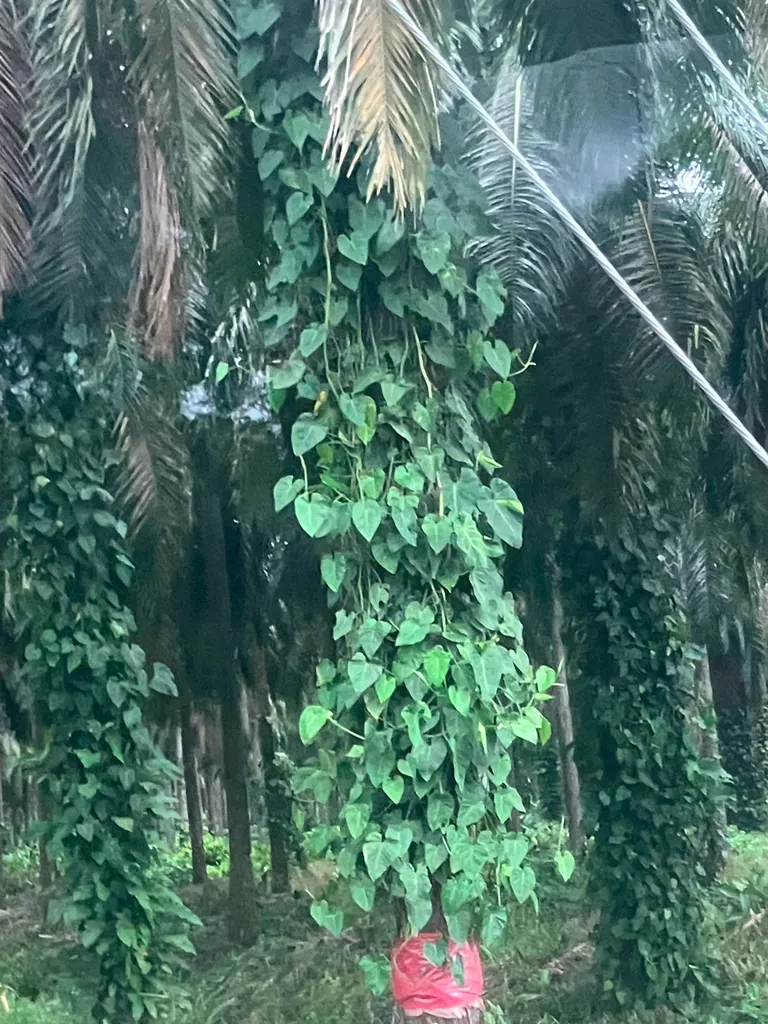
A fast-growing, tropical evergreen climber between 3-6m in height, with heart-shaped, bronze-green leaves to 30cm long, red-tinted beneath, with large, overlapping basal leaf lobes; purple flower-spathes are 5cm long and may be produced on mature plants in summer
Scientific classification
- Species
- ivy-leaved philodendron (Philodendron hederaceum)
- Genus
- Philodendron
- Family
- Araceae
- Harmful if eaten, skin/eye irritant/allergen. Wear gloves and other protective equipment when handling]
- Toxicity
- Climber Wall Shrub · Conservatory Greenhouse
- Plant type
- Information to be completed
- Height
- Information to be completed
- Spread
- Evergreen
- Foliage
- Climbing
- Habit
- Spring · Summer · Autumn
- Season of interest
- Partial shade
- Sunlight
- 18 – 27 °C
- Ideal temperature









ivy-leaved philodendron pictures


Distribution of ivy-leaved philodendron
Distribution map
Mexico, Tropical America
Information to be completed
Culture
Information to be completed
Toxicity
Harmful if eaten, skin/eye irritant/allergen. Wear gloves and other protective equipment when handling]
Quick identification of ivy-leaved philodendron
Information to be completed
ivy-leaved philodendron care guide
- Keep soil slightly moist, allow top inch to dry between waterings
- Watering
- Partial shade
- Sunlight
- 18 – 27 °C
- Ideal temperature

Watering
Keep soil slightly moist, allow top inch to dry between waterings
Fertilizing
 Fertilizing
Monthly during growing season
Pruning
 Pruning
No pruning required but may need restrictive pruning under glass
Propagation
 Propagation
Propagate by stem-tip or leaf bud cuttings in summer, layer or air-layer in spring
Growing
 Growing
Grow under glass in well-drained, loamless potting compost in bright but filtered or indirect light. Maintain a minimum winter temperature of 15⁰C and water moderately, less in low temperatures
People also ask
Information to be completed
Common pests and diseases
Diseases
Generally disease-free
Pests
May be susceptible to scale insects and glasshouse red spider mite
Explore the plant health library →




