



Planting and Growing Callisia repens

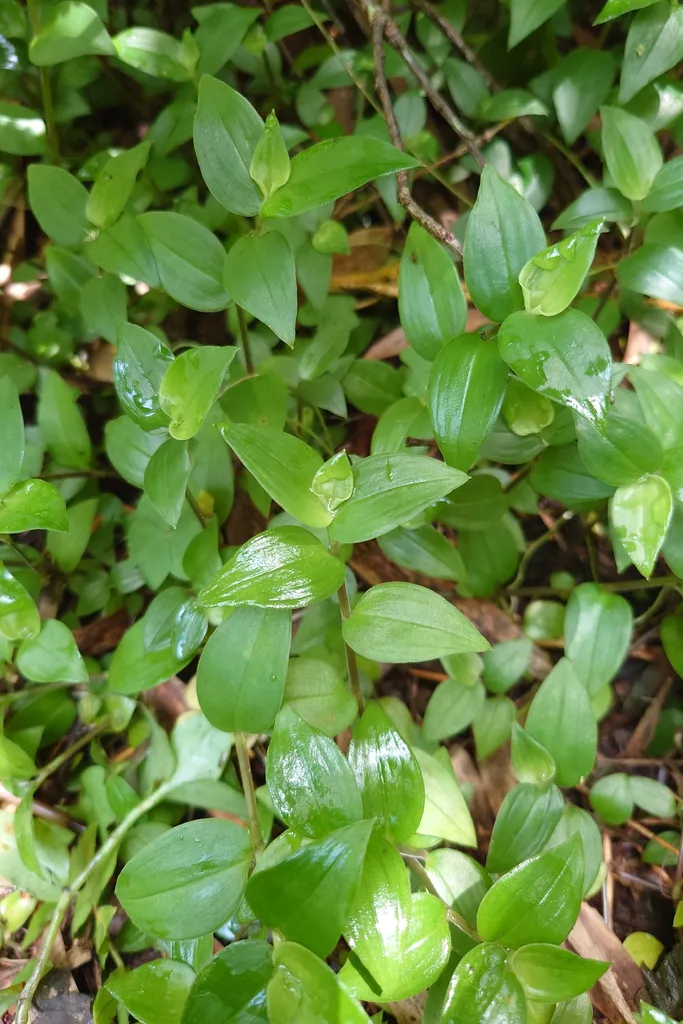
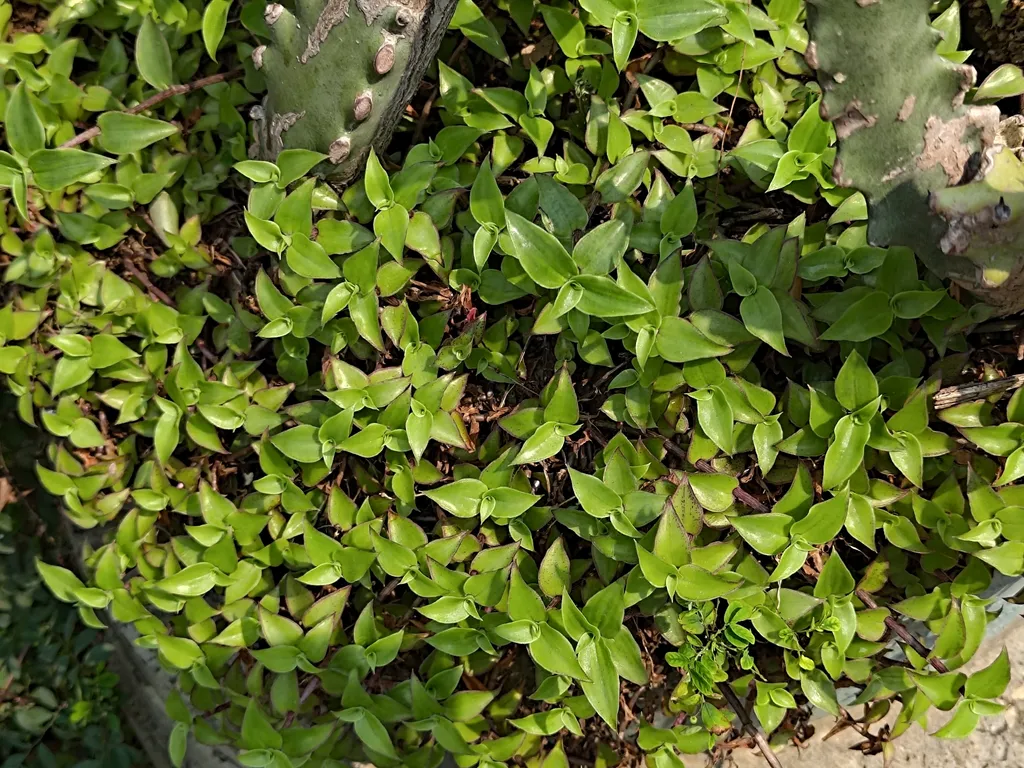
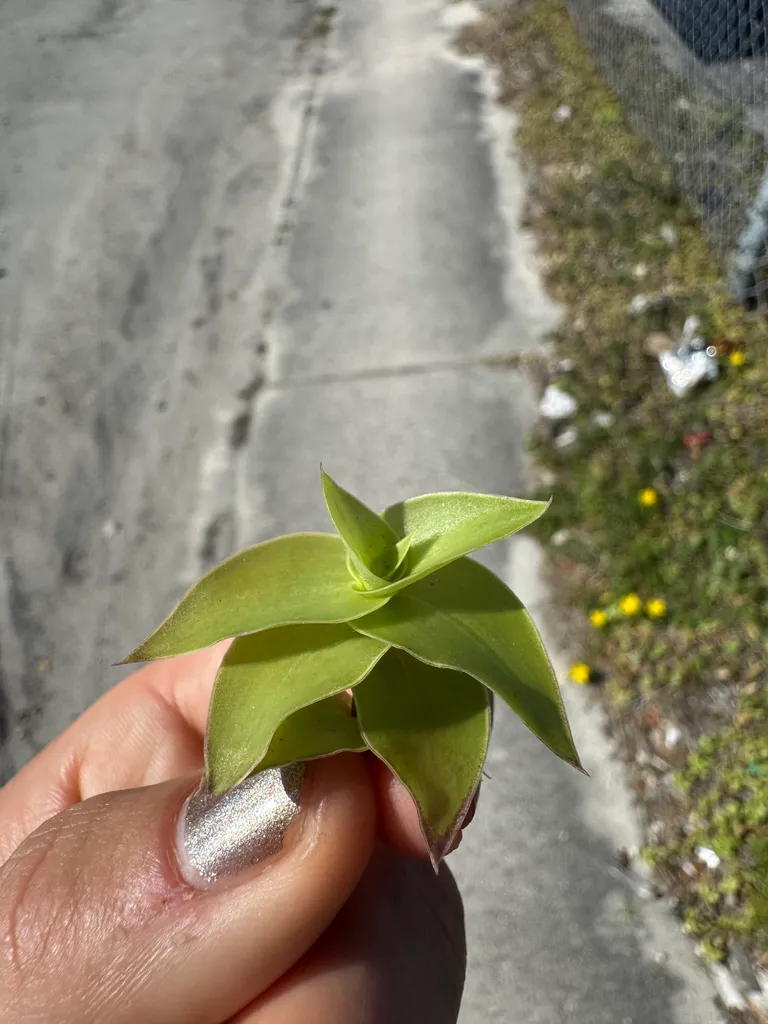
| Care difficulty | 2 / 5 |
|---|---|
| Watering schedule | Moderate regular watering, allowing brief slight drying between soakings |
| Sunlight requirements | Partial shade |
| Ideal temperature | 18 – 27 °C |
| Soil type | Chalk · Loam · Sand |
| Soil pH | Acid · Neutral · Alkaline |
| Soil moisture | Well drained |
| Fertilizing | Balanced perennial feed every four weeks from spring through summer |
| Toxicity | Information to be completed |
How to Water Callisia repens?
Turtle vine thrives in the moist, well-drained soils of its native tropical habitat, where humidity is high and water abundant. This species exhibits a preference for consistent moisture but can tolerate brief dry spells. Regular watering every week will maintain its lush growth. As an evergreen plant commonly grown indoors, turtle vine benefits from higher humidity levels which mimic its natural environment, promoting vibrant foliage and robust health.
Learn more →What Are the Sunlight Requirements for Callisia repens?
Turtle vine thrives in partial sun where it receives bright, indirect light for most of the day. Although it tolerates full sun, excessive exposure can stress turtle vine, causing leaf burn and faded coloration, while full shade may lead to leggy growth and reduced vitality. Adaptable in nature, turtle vine adjusts its leaf pigmentation as a response to light intensity, offering a protective mechanism against harsh rays. For outdoor cultivation, placement in areas with dappled sunlight under taller plants is ideal, promoting robust growth and the maintenance of vibrant foliage.
Learn more →What Is the Ideal Temperature Range for Callisia repens?

Turtle vine showcases remarkable adaptability to temperature variations, tolerating extremes from 0℃ (32℉) to 43℃ (109℉). This resilience makes it suitable for diverse environments, though care must be taken during temperature extremes. Under cold conditions, symptoms like leaf discoloration or drooping may appear, while overheating can cause wilting or scorching. Protect turtle vine from frost and intense afternoon sun to mitigate these effects. In cold, use frost cloths or indoor relocation; in heat, ensure adequate watering and provide shade. Understanding these tolerances helps tailor care practices, ensuring turtle vine thrives across seasons.
Learn more →What Soil Is Best for Callisia repens?
For best growth, turtle vine requires soil with good aeration and drainage to prevent water-logging. A suitable mix includes equal parts potting mix and perlite or coarse sand. If perlite is unavailable, use fine gravel. Enhance growth by mixing in a slow-release balanced fertilizer during planting, then a liquid fertilizer monthly. Ensuring proper drainage is key; consider a pot with drainage holes and a layer of pebbles at the bottom.
- Soil type
- Chalk · Loam · Sand
- Soil pH
- Acid · Neutral · Alkaline
What Are the Moisture Requirements for Callisia repens?
Well drained
Learn more →How to Fertilize Callisia repens?

For healthy growth and lush foliage, fertilize turtle vine bi-weekly during the growing season with high nitrogen liquid fertilizer, diluted to half-strength. In winter, reduce to monthly to prevent overfertilization. An appropriate quantity is a teaspoon per gallon of water, ensuring roots aren't burnt. This feeding regime supports vigorous growth and vibrant leaves, which are key benefits. Avoid contact with leaves to minimize chemical burn risk. Seasonal adjustments and correct dosages are crucial for turtle vine's vitality.
Learn more →How to Prune Callisia repens?

Turtle vine is a low-growing, mat-forming plant with small, vibrant leaves. Prune in early to later spring to encourage dense growth. Trim leggy or dead stems, cutting just above a node to promote new shoots. Regular pruning helps maintain shape and health, preventing overgrowth and enhancing air circulation. Make clean cuts to avoid plant stress, using sterilized tools. Pruning fosters a lush appearance and supports turtle vine's vigorous growth.
Learn more →How to Propagate Callisia repens?

Turtle vine has a creeping growth habit that spreads via herbaceous cuttings. Propagation difficulty is moderate, but signs of success include new roots and growth emerging from the cutting. The ideal season for propagation is in the Spring and Summer. For best results, take cuttings from healthy plants and place them in well-draining soil.
Learn more →How to Transplant Callisia repens?
The perfect time for transplanting turtle vine is during early to late spring or late fall to early winter, offering it the chance to establish itself in ideal conditions. For best results, choose a location with well-draining soil, and a mix of sun and shade. There's no need for specific transplant tips, as turtle vine is a hardy plant that adapts easily.
Learn more →How to Care for Callisia repens in Winter?

Turtle vine hails from the warm, humid regions of Central and South America, easily surviving winter in its tropical habitat. Adapting to indoor conditions, 'summer sleepers' thrive during winter, but attention to light and moisture levels is paramount. To prevent turtle vine's dormant season demise, provide indirect light, water sparingly, and maintain temperatures above 45°F. Successfully over-wintering turtle vine entails mimicking its natural climate as closely as possible.
Learn more →How to Plant Callisia repens?
Indoors-potted: Thriving indoors, turtle vine appreciates a stable environment to showcase its cascading foliage. Rotate the pot periodically for even growth. Outdoors-potted: In outdoor pots, turtle vine enjoys the freedom to spread its tendrils but is sensitive to extreme temperatures; shelter is key during harsh conditions. Outdoors-in the ground: Turtle vine may struggle in colder climates when planted in the ground; ensure a warm, protected spot to prevent frost damage.
Learn more →How to Repot Callisia repens?
For the creeping, vibrant turtle vine, repot every 2-3 years to accommodate its fast growth. Spring, before the active growing season, is optimal, allowing roots to settle. Choose a slightly larger pot with good drainage to support its trailing habit. Post-repotting, keep soil moist and position turtle vine in bright, indirect light to thrive. Use a friendly tone to convey these concise, species-specific care instructions.
Learn more →How to Harvest Callisia repens?

Information to be completed
Learn more →Common Pests & Diseases

Diseases
Generally disease-free
Pests
Generally pest-free
Explore the plant health library →The Toxicity of Callisia repens
Information to be completed