
Callisia repens
Also known as: Information to be completed
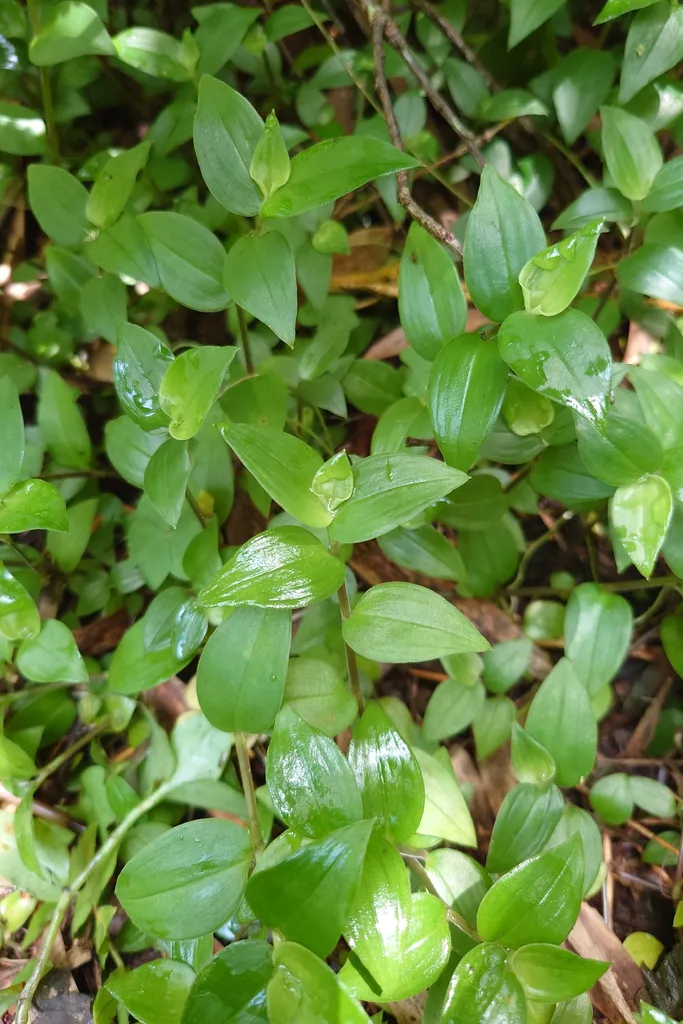
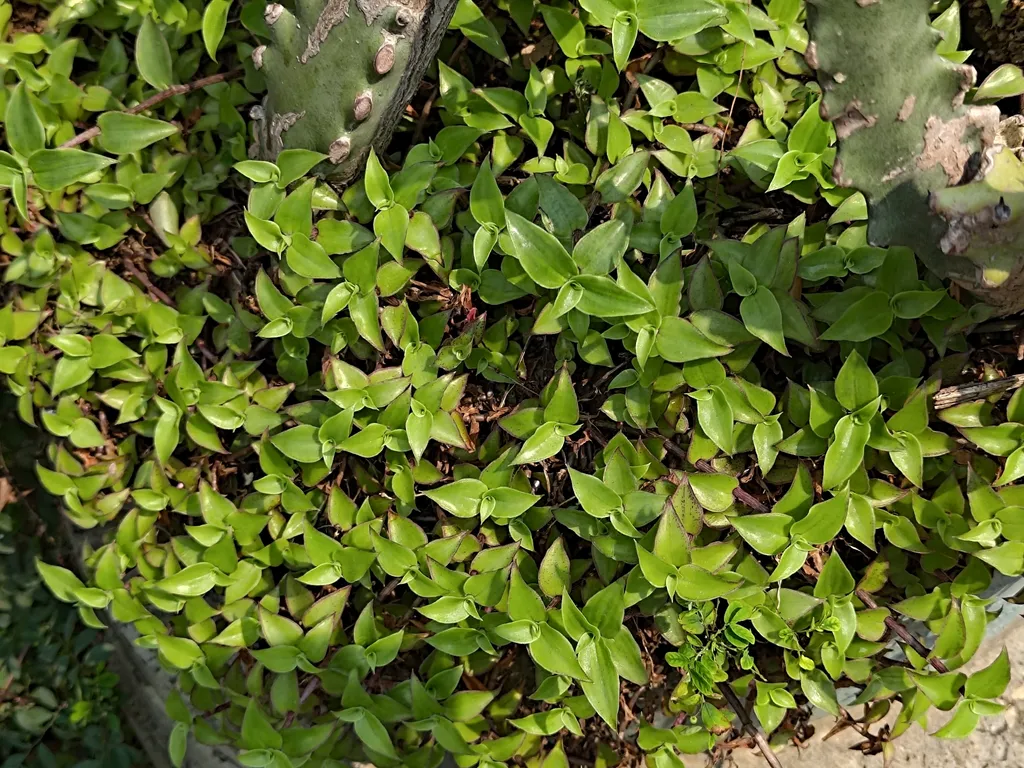
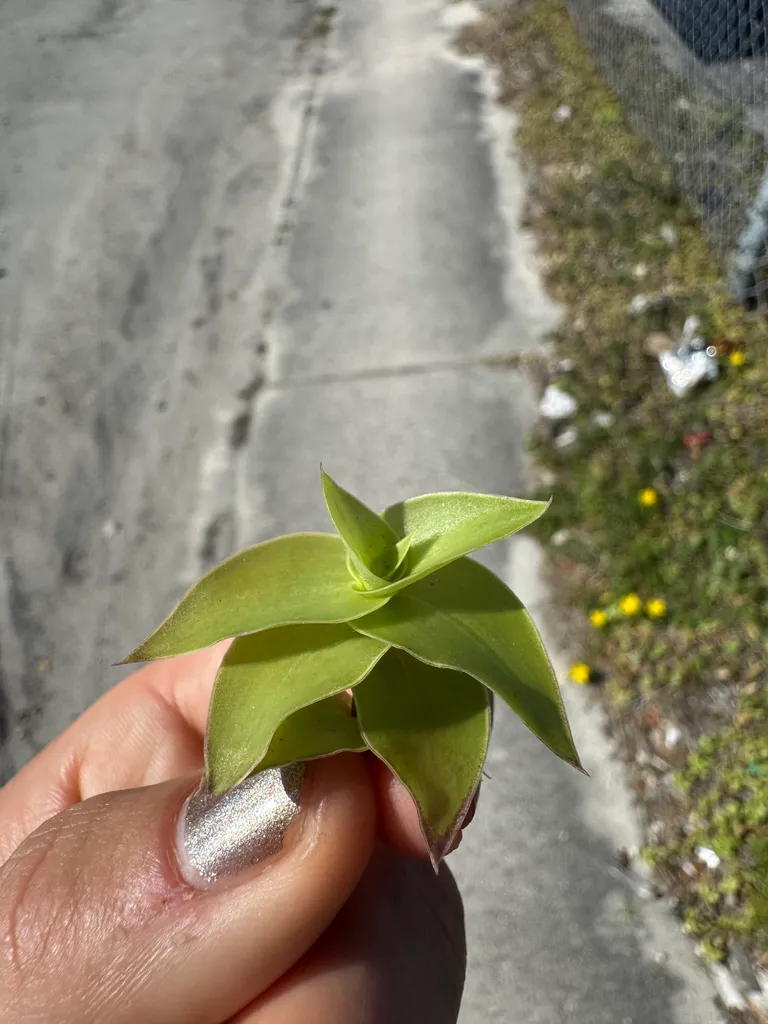
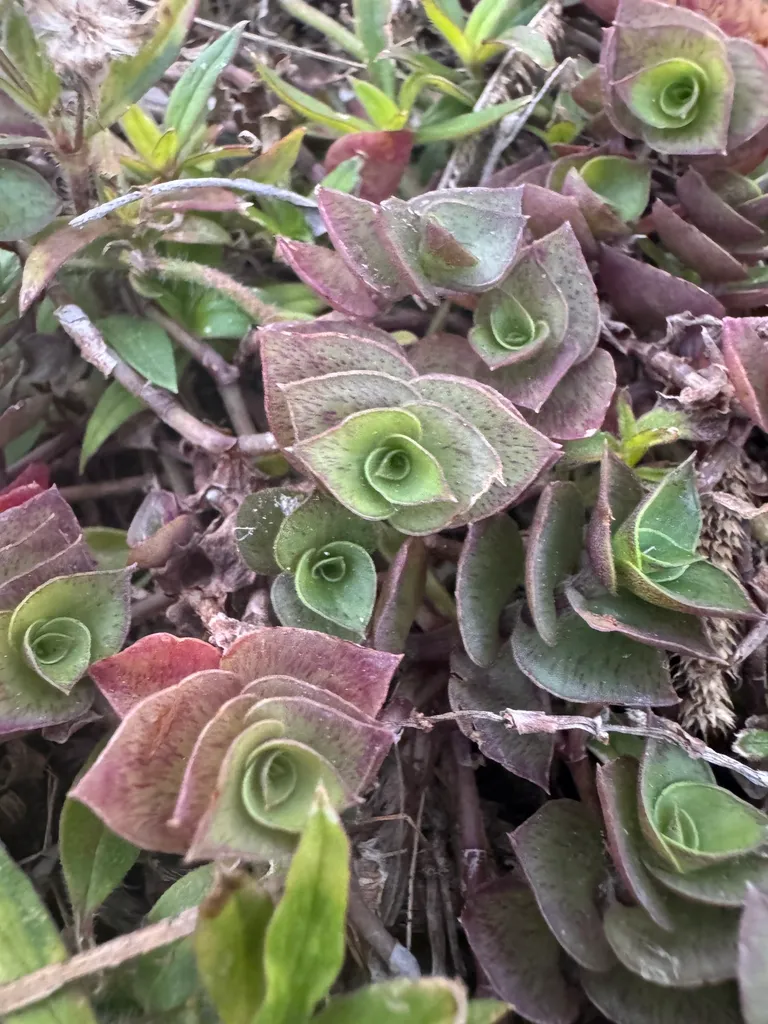
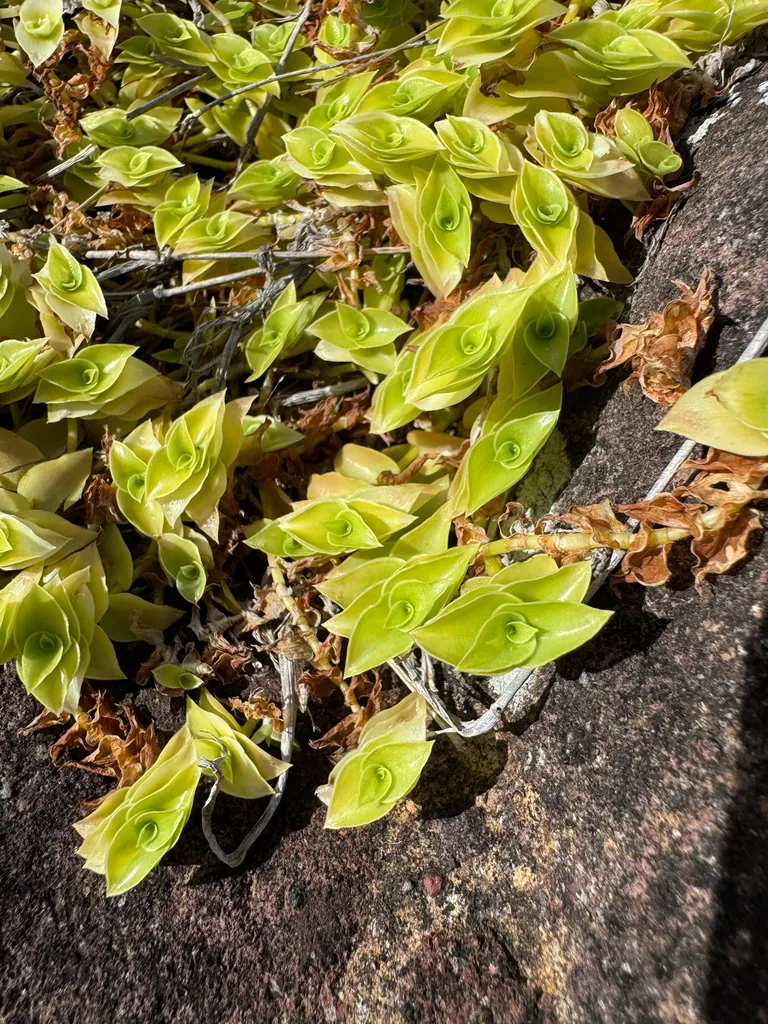
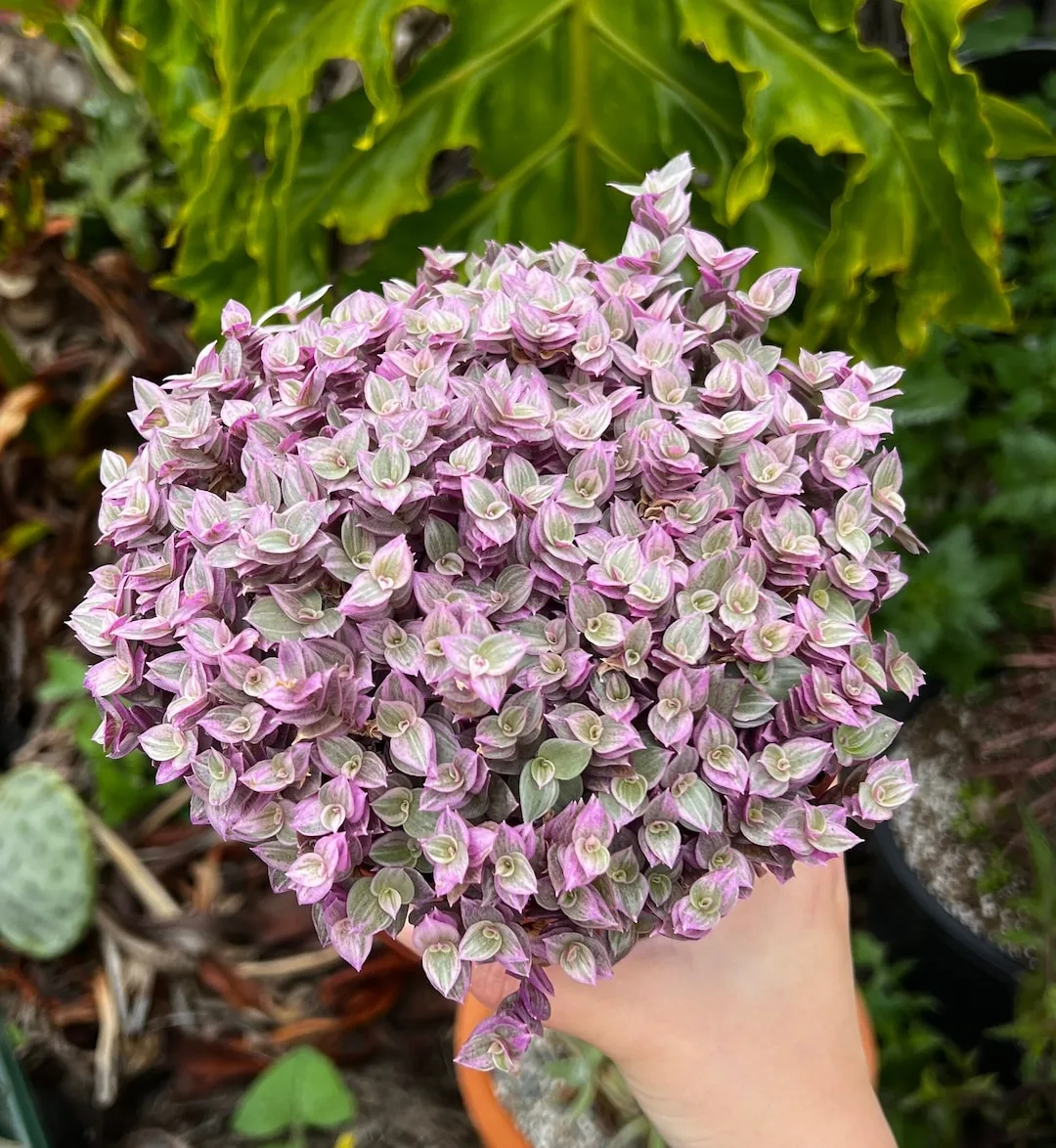
A species of tender evergreen perennial with a trailing habit, forming mats of branching stems that root at the nodes, with broadly ovate, slightly fleshy, pointed green leaves to 4cm long. Clusters of tiny white flowers are borne in the leaf axils of ascending stems in late spring and early summer
Scientific classification
- Species
- Callisia repens (Callisia repens)
- Genus
- Callisia
- Family
- Commelinaceae
- Information to be completed
- Toxicity
- Herbaceous Perennial · Houseplants
- Plant type
- 0.1-0.5 metres
- Height
- 0.5-1 metres
- Spread
- Evergreen
- Foliage
- Matforming · Trailing
- Habit
- Spring · Summer · Autumn · Winter
- Season of interest
- Partial shade
- Sunlight
- 18 – 27 °C
- Ideal temperature









Callisia repens pictures
Distribution of Callisia repens
Distribution map
Information to be completed
Information to be completed
Culture
Information to be completed
Toxicity
Information to be completed
Quick identification of Callisia repens
Information to be completed
Callisia repens care guide
- Moderate regular watering, allowing brief slight drying between soakings
- Watering
- Partial shade
- Sunlight
- 18 – 27 °C
- Ideal temperature

Watering
Moderate regular watering, allowing brief slight drying between soakings
Fertilizing
 Fertilizing
Balanced perennial feed every four weeks from spring through summer
Pruning
 Pruning
No pruning required
Propagation
 Propagation
Propagate by softwood cuttings, by root cuttings, removing 6-7cm of the root tip in spring, or by division, removing rooted offsets. To produce dense coverage, pot up several cuttings in an 8cm container
Growing
 Growing
Can be grown outdoors where temperatures do not fall below 10°C in winter; more often grown in a hanging basket or container or as a houseplant. Grow in two parts John Innes No 2 and one part grit, in bright filtered light. Water freely in the growing season and apply a liquid fertiliser monthly
People also ask
Information to be completed
Common pests and diseases
Diseases
Generally disease-free
Pests
Generally pest-free
Explore the plant health library →




