



Planting and Growing rose 'Madame Boll'

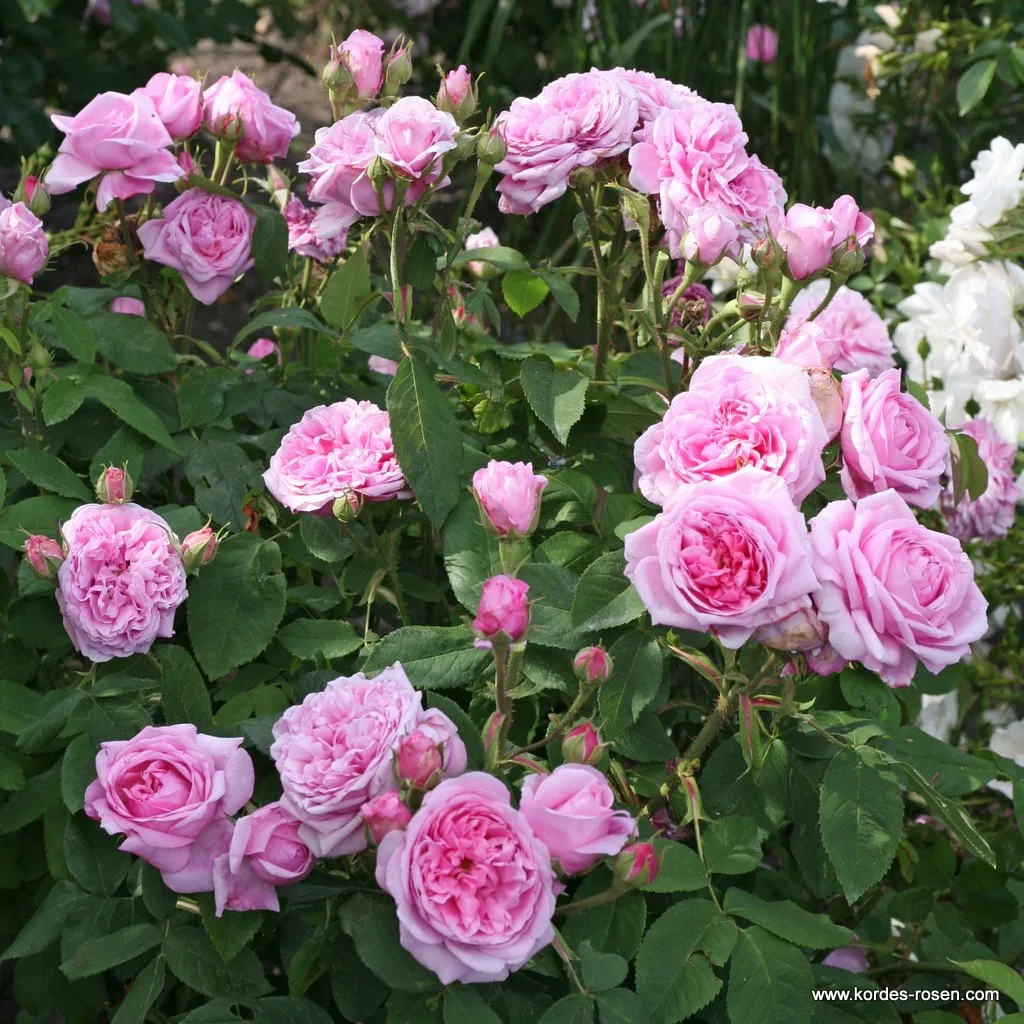
| Care difficulty | 3 / 5 |
|---|---|
| Watering schedule | Deep regular watering, soak root zone thoroughly during dry hot spells |
| Sunlight requirements | Full sun |
| Ideal temperature | Information to be completed |
| Soil type | Chalk · Clay · Loam · Sand |
| Soil pH | Acid · Alkaline · Neutral |
| Soil moisture | Moist but well drained · Well drained |
| Fertilizing | Rose high-potash feed every two weeks throughout blooming season |
| Toxicity | Fruit are ornamental - not to be eaten. Wear gloves and other protective equipment when handling |
How to Water rose 'Madame Boll'?
Deep regular watering, soak root zone thoroughly during dry hot spells
Learn more →What Are the Sunlight Requirements for rose 'Madame Boll'?
Full sun
Learn more →What Soil Is Best for rose 'Madame Boll'?
- Soil type
- Chalk · Clay · Loam · Sand
- Soil pH
- Acid · Alkaline · Neutral
What Are the Moisture Requirements for rose 'Madame Boll'?
Moist but well drained · Well drained
Learn more →How to Fertilize rose 'Madame Boll'?

Rose high-potash feed every two weeks throughout blooming season
Learn more →How to Prune rose 'Madame Boll'?

Remove dead, diseased and crossing stems. Shorten strong shoots to four to six buds, about 10–15 cm from the base; prune weaker shoots lower. Prune in late winter or early spring as growth resumes.
Learn more →How to Propagate rose 'Madame Boll'?

Propagate by hardwood cuttings in autumn or by chip budding in summer
Learn more →How to Plant rose 'Madame Boll'?
Grow in full sun with fertile, humus-rich, moist but well-drained soil. For best flowering apply a balanced fertiliser and mulch in late winter or early spring and a balanced fertiliser again in early summer. See rose cultivation. Tolerant of poor soil and shade.
Learn more →Common Pests & Diseases

Diseases
May be susceptible to rose black spot, rose rust, rose powdery mildews, which are the most common rose diseases. May also be susceptible to rose dieback, replant disease, a canker, a virus and sometimes honey fungus
Pests
May be susceptible to aphids, rose leafhopper, glasshouse red spider mite, scale insects, caterpillars, large rose sawfly and rose leaf-rolling sawfly. Rabbits and deer can cause damage
Explore the plant health library →The Toxicity of rose 'Madame Boll'
Fruit are ornamental - not to be eaten. Wear gloves and other protective equipment when handling