



Planting and Growing eastern redbud

| Care difficulty | 2 / 5 |
|---|---|
| Watering schedule | Moderate regular watering, allowing brief slight drying between soakings |
| Sunlight requirements | Full sun · Partial shade |
| Ideal temperature | 15 – 25 °C |
| Soil type | Chalk · Clay · Loam · Sand |
| Soil pH | Acid · Alkaline · Neutral |
| Soil moisture | Moist but well drained |
| Fertilizing | Balanced perennial feed every four weeks from spring through summer |
| Toxicity | Information to be completed |
How to Water eastern redbud?
Thriving in its native woodland settings, eastern redbud has adapted to seasonal moisture variations, showing a preference for moderate humidity and demonstrating resilience during drier periods. This species maintains a balance between drought tolerance and the need for consistent hydration, best served by watering once every 1-2 weeks. Cultivated primarily outdoors, eastern redbud is an ornamental deciduous tree that showcases water's influence on its stunning springtime floral display, as adequate moisture is crucial for the development of its vibrant blossoms.
Learn more →What Are the Sunlight Requirements for eastern redbud?
Eastern redbud thrives best in full sunlight, which optimizes its growth, health, and spectacular flowering capabilities. While eastern redbud prefers bright environments, it exhibits good tolerance to partial shade. However, reduced light may slightly diminish its flowering potential and can lead to less vigorous growth. Ideally, planting eastern redbud in a location that receives several hours of unfiltered sunlight will ensure robust development. Adaptively, eastern redbud is capable of adjusting its leaf orientation to maximize light absorption, an attribute particularly useful in less than optimal light conditions.
Learn more →What Is the Ideal Temperature Range for eastern redbud?

Eastern redbud is notably cold-tolerant, surviving temperatures as low as -15℃ (5℉). It can also withstand heat up to 38℃ (100℉), showing impressive resilience to temperature extremes. This toughness minimizes care requirements in varying climates. However, in extreme cold, eastern redbud may exhibit leaf scorch or dieback, while extreme heat may cause wilting or leaf drop. Protective mulch and wind barriers can shield against cold snaps, while deep watering and shade coverage help during heatwaves. These measures ensure eastern redbud's vitality across diverse environments.
Learn more →What Soil Is Best for eastern redbud?
Eastern Redbud can well grow outdoors in moist, loamy, or sandy soils. Its occurrence on slopes with more sunlight is prevalent. It is acclimatized to a wide range of pH; however, it thrives best with a pH range of 6.6-7.8 or above. It doesn't tolerate inundated sites, poorly aerated soils, or sandy soils. Western Redbud is adapted to grow in a wide variety of soils, including course and nutrient-deficient soils that are well-drained. It grows as an understory cover tree and is fairly tolerable to lime and acidic soils. It also tolerates alkaline soil and clay; its best pH range is 5.5-7.8.
- Soil type
- Chalk · Clay · Loam · Sand
- Soil pH
- Acid · Alkaline · Neutral
What Are the Moisture Requirements for eastern redbud?
Moist but well drained
Learn more →How to Fertilize eastern redbud?

To foster robust growth and vibrant blooms, eastern redbud thrives with balanced fertilizers such as 10-10-10, applied annually in early spring. Using 1/4 cup of granular fertilizer per every 4 square feet, spread evenly around the drip line and water well to avoid root burn. Growth stage and age influence fertilization needs—mature eastern redbud might benefit from biennial feeding. Over-fertilization may lead to excessive foliage with fewer flowers, so proceed with caution. For optimal results, conduct a soil test to determine the specific nutrient needs.
Learn more →How to Prune eastern redbud?

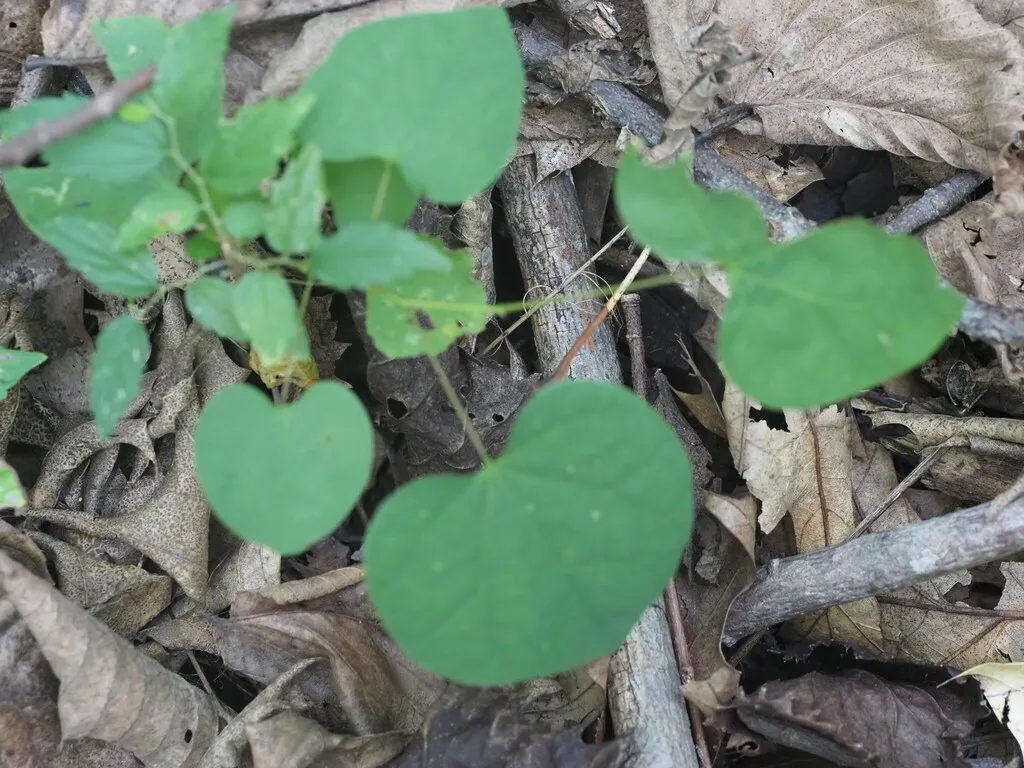
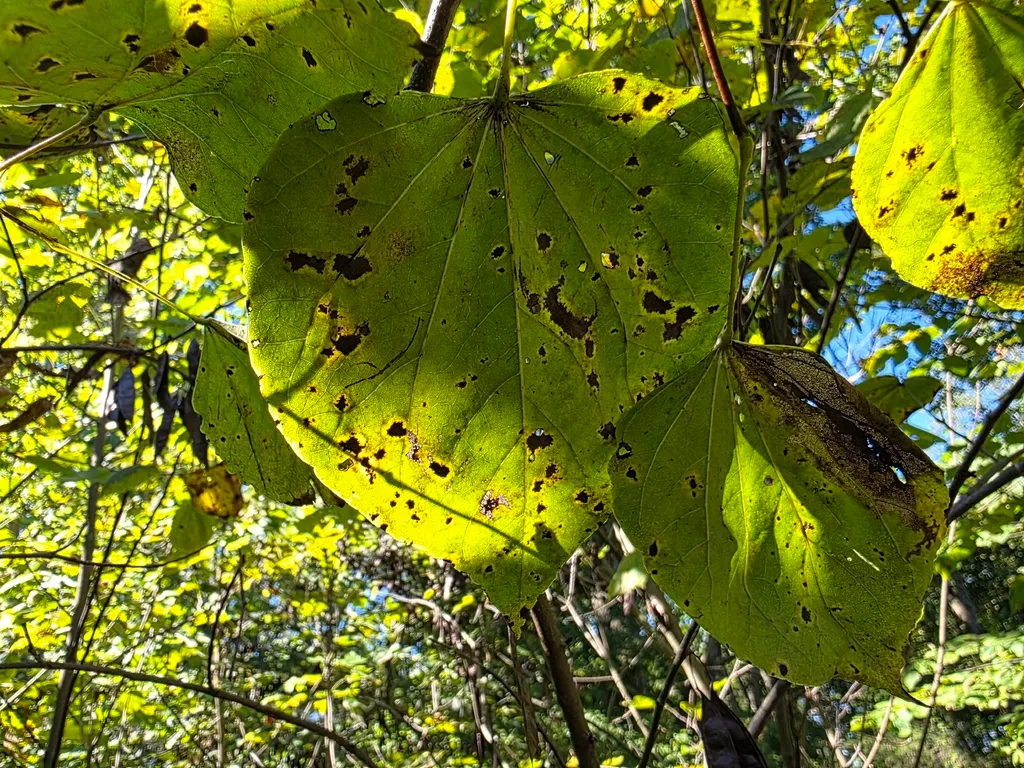
Recognizable by its stunning pink flowers and heart-shaped leaves, eastern redbud should be pruned in later spring, post-blooming. Focus on removing dead, damaged, or diseased branches to maintain its shape and health. Thinning out congested areas improves air circulation and sunlight penetration, reducing disease risk. Avoid heavy pruning as it can stress the plant. Proper pruning enhances eastern redbud's ornamental value and promotes robust growth, aligning with its natural growth cycle.
Learn more →How to Propagate eastern redbud?

Eastern redbud is best propagated through cutting or layering methods during the cooler months of autumn and winter. Success can be observed through new growth and strong root development. Patience is essential, as propagation may require some expertise.
Learn more →How to Transplant eastern redbud?
When transplanting eastern redbud, it's best to do so during the balmy days of late spring to midsummer, as the plant will flourish under ideal conditions. Transplant eastern redbud in a well-drained, sunny to partly shaded location. Remember to water frequently and maintain moisture for successful growth.
Learn more →How to Plant eastern redbud?
Indoors-potted: In an indoor setting, eastern redbud thrives with ample space to grow — ensure a large pot to accommodate its root system. Outdoors-potted: When potted outdoors, eastern redbud benefits from strategic placement to receive enough natural light for vibrant foliage. Outdoors-in the ground: Eastern redbud requires room to spread its branches; outdoor ground planting lets it showcase its seasonal color transformation.
Learn more →How to Repot eastern redbud?
Needs excellent drainage in pots.
Learn more →How to Harvest eastern redbud?

Harvest flowers in the spring to use in salads.
Learn more →Common Pests & Diseases

Diseases
May be susceptible to verticillium wilt, coral spot and honey fungus
Pests
May be susceptible to leafhoppers and scale insects
Explore the plant health library →Troubleshooting
Leaf Scorch, Yellowing Chlorosis, or Root/Crown Decline
eastern redbud (Cercis canadensis) depends on deep, well-drained soil and appropriate sun/moisture balance; waterlogged roots, drought stress, or unsuitable soil pH quickly show in foliage color.
| What you notice | Possible explanation | What to check next |
|---|---|---|
| Leaf margins turn brown and crispy in summer heat, or young foliage wilts despite adequate sunlight | Drought stress, drying winds, or afternoon sun scorch (especially on newly planted trees/shrubs) | Check soil moisture 10–15 cm (4–6 inches) deep and assess afternoon sun and wind exposure |
| Leaves turn pale yellow between dark green veins or whole canopy yellows and thins | Unsuitable soil pH locking up iron/manganese or poor drainage causing root rot | Test soil pH and inspect root-zone drainage after heavy rain or irrigation |
- Plant in well-drained soil suited to its pH needs (Acid, Alkaline, Neutral pH) in full sun or partial shade, mulching the root zone with organic bark or leaf mold kept clear of the trunk.
- Water deeply during dry spells, especially in the first two years after planting: Moderate regular watering, allowing brief slight drying between soakings.
- Protect frost-tender or container-grown woody species before winter freezes.
If sudden branch dieback with dark vascular streaking or mushroom growth at the base occurs (suspected Verticillium wilt or honey fungus), prune out dead wood cleanly and consult local extension diagnostics.
Poor Flowering/Fruiting or Sap-Sucking Pests and Mildew
Insufficient sunlight, improper pruning timing, or dense unpruned canopies can reduce blooms and fruit while encouraging aphids, scale, caterpillars, or powdery mildew.
| What you notice | Possible explanation | What to check next |
|---|---|---|
| Vigorous leafy shoots with few flowers or poor fruit set | Excessive shade, high-nitrogen fertilizer, or pruning off old-wood flower buds at the wrong season | Review daily sun hours, fertilizer ratio, and pruning timing |
| Curled sticky new shoots, white powdery leaf coating, or chewed foliage | Common pests (May be susceptible to leafhoppers and scale insects) or fungal issues (May be susceptible to verticillium wilt, coral spot and honey fungus) | Inspect shoot tips, leaf undersides, and inner canopy airflow |
- Prune at the appropriate seasonal window: Little pruning is needed. Remove diseased, damaged, crowded or crossing shoots and unwanted growth. Timing depends on the plant: generally late winter or early spring; plants prone to bleeding and deciduous magnolias need different timing, and deciduous azaleas and lilacs are pruned after flowering..
- Thin crowded interior shoots to improve sunlight penetration and air circulation, and clean up fallen leaves in autumn.
- Blast aphids off sturdy shoots with a firm water spray or use insecticidal soap per label instructions.
Avoid late-summer nitrogen feeding, which forces soft late growth vulnerable to early autumn frost.