
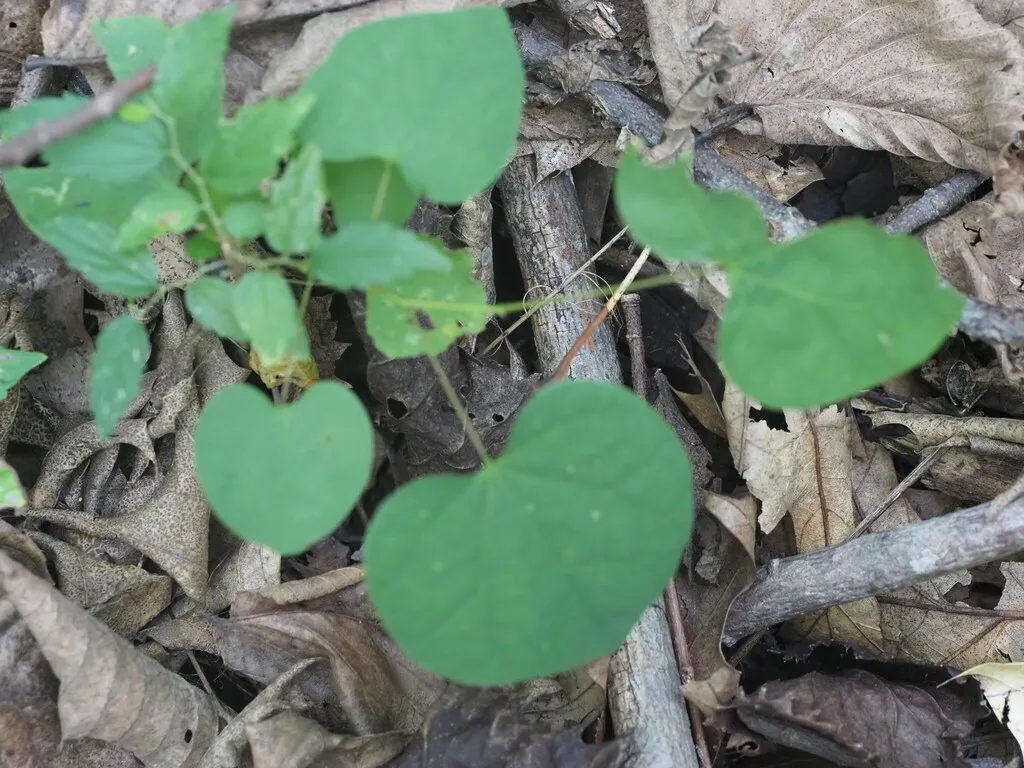



eastern redbud

eastern redbud · Soil

eastern redbud · Cercis canadensis
Also known as: American Judas tree; American redbud; North American redbud; redbud

Eastern redbud thrives in well-draining soil with regular moisture and full to partial sunlight. Special care should be given to avoid overwatering, as eastern redbud does not tolerate 'wet feet' and can suffer from root rot. Mulching is beneficial to maintain soil moisture and temperature, but keep mulch away from the trunk to prevent diseases. Pruning is minimal, focusing only on removing dead or diseased branches to maintain plant health and structure.

Watering: Moderate regular watering, allowing brief slight drying between soakingsSunlight: Full sun · Partial shadeInformation to be completed

What Soil Is Best for eastern redbud?

Eastern Redbud can well grow outdoors in moist, loamy, or sandy soils. Its occurrence on slopes with more sunlight is prevalent. It is acclimatized to a wide range of pH; however, it thrives best with a pH range of 6.6-7.8 or above. It doesn't tolerate inundated sites, poorly aerated soils, or sandy soils. Western Redbud is adapted to grow in a wide variety of soils, including course and nutrient-deficient soils that are well-drained. It grows as an understory cover tree and is fairly tolerable to lime and acidic soils. It also tolerates alkaline soil and clay; its best pH range is 5.5-7.8.

Soil type
Chalk · Clay · Loam · Sand
Soil pH
Acid · Alkaline · Neutral
PlantCare

Your Ultimate Guide to Plants

Identify, grow and nurture the better way!

PlantCare plant identification and care illustration
PlantCare

Botanist in your pocket

Scan to download PlantCareDownload on the App Store

Scan the QR code with your phone camera to download the app