



Planting and Growing parlour palm

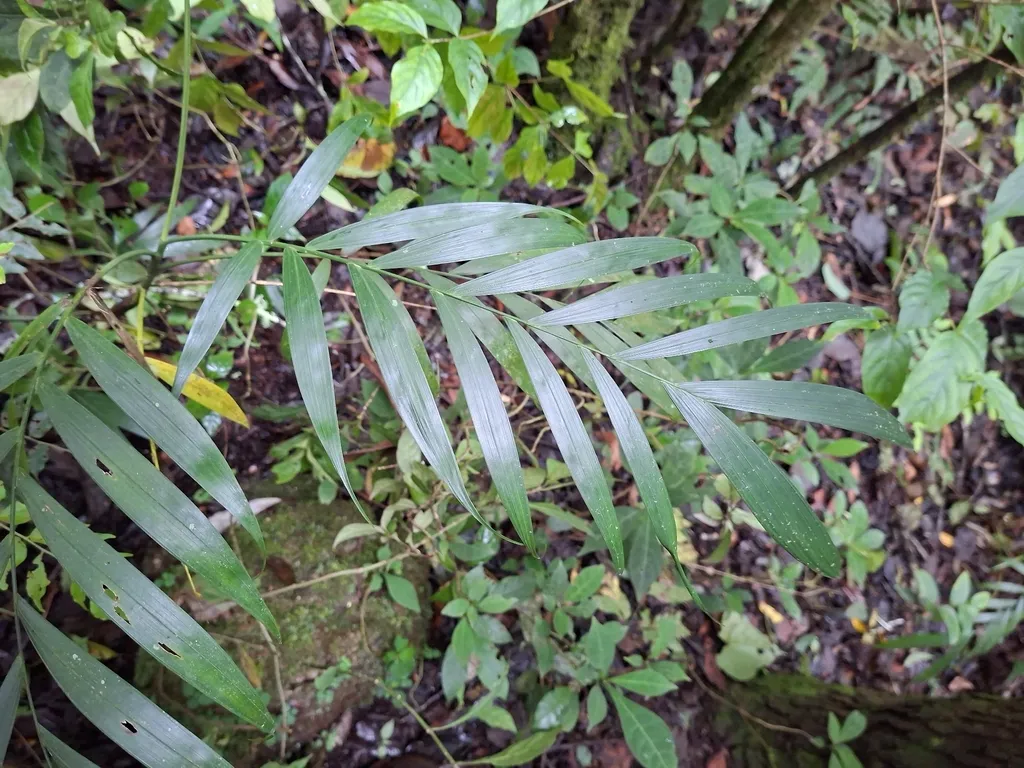
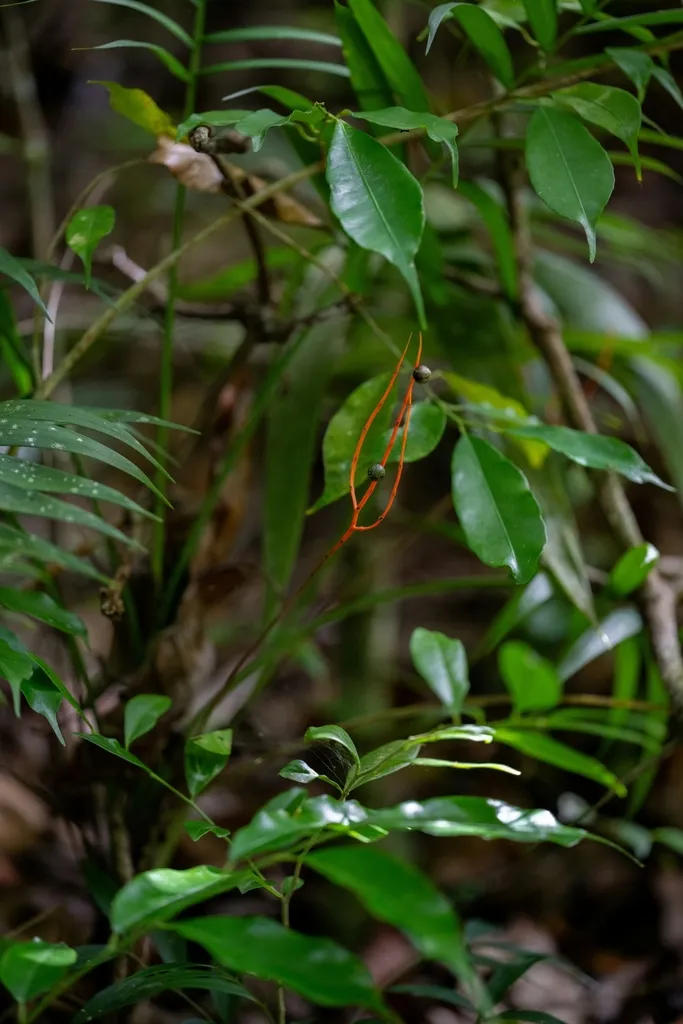
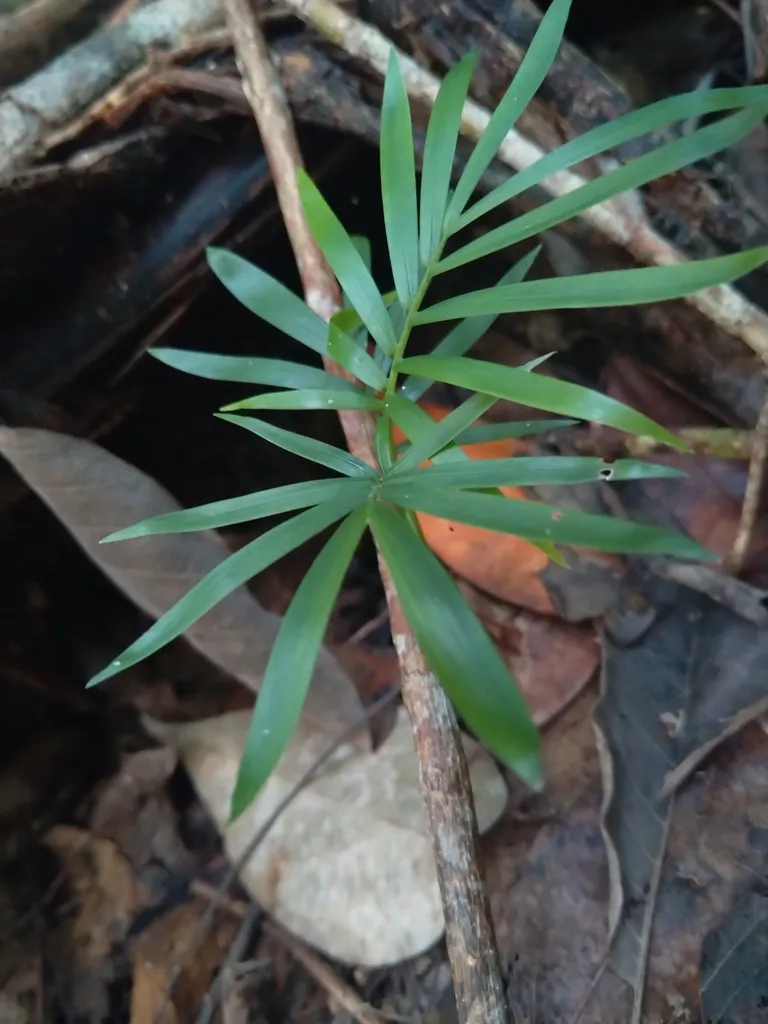
| Care difficulty | 2 / 5 |
|---|---|
| Watering schedule | Water when top inch of soil is dry, maintain slight moisture |
| Sunlight requirements | Partial shade |
| Ideal temperature | 18 – 27 °C |
| Soil type | Chalk · Clay · Loam · Sand |
| Soil pH | Acid · Neutral |
| Soil moisture | Well drained |
| Fertilizing | Monthly during growing season |
| Toxicity | Information to be completed |
How to Water parlour palm?
Originating from the understory of tropical rainforests, parlor palm has adapted to environments with high humidity and moderate light. This species thrives on consistent moisture but is forgiving if watering is occasionally delayed, exhibiting a balance in its water needs. For optimal health, it's best to water parlor palm once every 1-2 weeks, allowing the soil to dry out slightly between waterings. As an indoor plant, parlor palm benefits from misting during the growing season to replicate the humid conditions of its native habitat.
Learn more →What Are the Sunlight Requirements for parlour palm?
Parlor palm thrives in conditions of partial sun, requiring indirect, filtered sunlight to achieve the best growth and vitality. While the intensity should be moderate, the duration of light exposure must be consistent. Parlor palm possesses a noteworthy tolerance to lower light levels, capable of surviving in full shade. However, sub-optimal lighting can lead to diminished foliage density and slower growth rates. This species exhibits remarkable resilience in dimmer conditions often found indoors and is well suited to interior spaces away from direct sunlight, such as near north-facing windows. In outdoor settings, planting parlor palm under the dappled light of taller plants or shaded patios ensures its continued health and aesthetic appeal.
Learn more →What Is the Ideal Temperature Range for parlour palm?

The parlor palm shows moderate resilience to temperature variations, tolerating a range from 5℃ (41℉) to 43℃ (109℉). While it can endure mild cold, temperatures below 5℃ may result in leaf yellowing and browning. Excess heat, especially above 43℃, can cause leaf scorch and dehydration. To care for parlor palm, ensure it's shielded from frost and excessive heat. During cold spells, move it indoors or provide insulation. In extreme heat, increase humidity and water intake. Recognizing signs of stress, such as discolored or wilted leaves, is crucial for timely intervention, ensuring the plant's optimal health and longevity.
Learn more →What Soil Is Best for parlour palm?
Parlor palm can naturally grow on a variety of soils – sandy, loam and clay, but the only important condition is that the soil doesn’t retain water and has good drainage, otherwise the plant might suffer from root rot. It can grow in soils with pH 5-7.5. If grown outdoors, parlor palm can be planted in a variety of different soil types, as long as they are not that salty. When it comes to potting mediums, using only commercial potting soils is not a very good idea, because they tend to be heavy. The problem is solved by adding some material that provides better drainage – coarse sand, peat, perlite or similar, and mixing it with the potting mix in a ratio 1:1.
- Soil type
- Chalk · Clay · Loam · Sand
- Soil pH
- Acid · Neutral
What Are the Moisture Requirements for parlour palm?
Well drained
Learn more →How to Fertilize parlour palm?

Fertilize parlor palm with a balanced, water-soluble fertilizer once every 3-4 weeks during active growth in spring and summer. Reduce to once every 6-8 weeks in fall and winter. For lush foliage, opt for high-nitrogen formulas. Apply quarter-strength doses to avoid root burn and buildup, especially for indoor plants with limited growth space. Benefits include vigorous growth and robust health. Avoid over-fertilizing; parlor palm's growth may be compromised. Follow label instructions for specific measurements, ensuring effective nourishment tailored to parlor palm's nurturing.
Learn more →How to Prune parlour palm?

A compact, low-light tolerant tropical plant with feathery fronds, parlor palm benefits from minimal pruning. Trim dead or yellowing leaves at the base to maintain healthy appearance. Pruning is best done in early spring, aligning with its natural growth cycle. This timing encourages new growth and ensures a lush, full plant year-round. Removing unhealthy foliage helps prevent disease and pest infestations. Always use clean, sharp scissors to avoid damage.
Learn more →How to Propagate parlour palm?

Parlor palm is typically propagated through division, which involves separating the palm’s offsets or suckers from the parent plant. Care should be taken to use a clean, sharp knife and to cut only healthy, disease-free offshoots. Afterward, the offsets are planted in well-draining soil and kept under conditions that mimic their natural tropical habitat—moderate light, high humidity, and warmth. Rooting success is increased by maintaining moist soil without waterlogging, ensuring a balanced environment for steady growth.
Learn more →How to Transplant parlour palm?
Parlor palm thrives when transplanted in the budding season of early to mid-spring, as this period fosters optimal growth. Ensure a partially-shaded location with well-draining soil and maintain stable moisture levels. Gently handle roots, avoiding unwanted stress to the plant.
Learn more →How to Care for parlour palm in Winter?

Parlor palm originates from the subtropical rainforests of Mexico and Central America where seasons don't fluctuate greatly. Possessing strong resilience, parlor palm requires minimum winter care. Best kept in consistently warmer interiors, it's critical to assure parlor palm faces no drafts, has limited direct sunlight, and has a reduced watering schedule to mimic its natural environment. Equipped with the right care, parlor palm stands poised to triumphantly usher in spring.
Learn more →How to Plant parlour palm?
Indoors-potted: Keep your parlor palm in a spot where it can revel in the sheltered, ambient light of your home; its elegant fronds prefer stable indoor conditions. Outdoors-potted: Your potted parlor palm outdoors may need rotation to ensure even growth as environmental conditions change with seasons. Outdoors-in the ground: Parlor palms aren't suited for outdoor ground planting in cold climates; they thrive in warm, frost-free environments.
Learn more →How to Repot parlour palm?
Repot parlor palm biennially to accommodate its slow growth; spring is ideal to sync with its growth cycle. Select a slightly larger pot to allow for expansion without stress. Ensure post-repotting care includes indirect light and consistent moisture for recovery. These palms are forgiving, making them great for enthusiasts of all levels.
Learn more →How to Harvest parlour palm?

Information to be completed
Learn more →Common Pests & Diseases

Diseases
False smut may attack leaves
Pests
Prone to glasshouse red spider mite, scale insects and thrips
Explore the plant health library →The Toxicity of parlour palm
Information to be completed