



Planting and Growing Chamaedorea microspadix

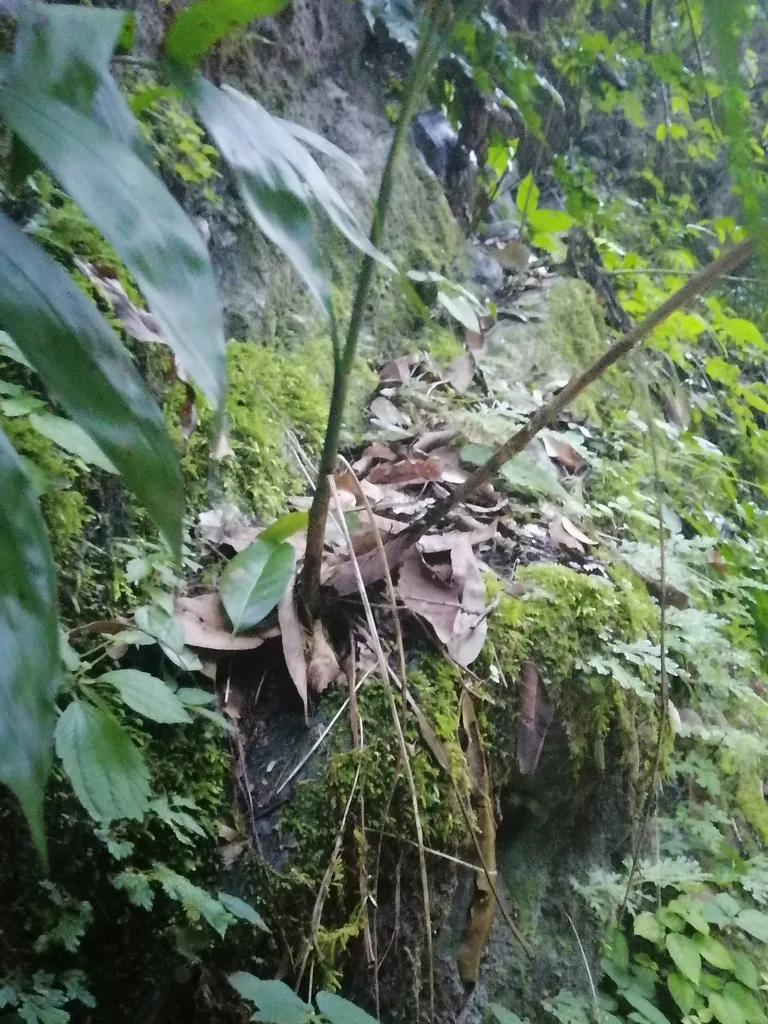
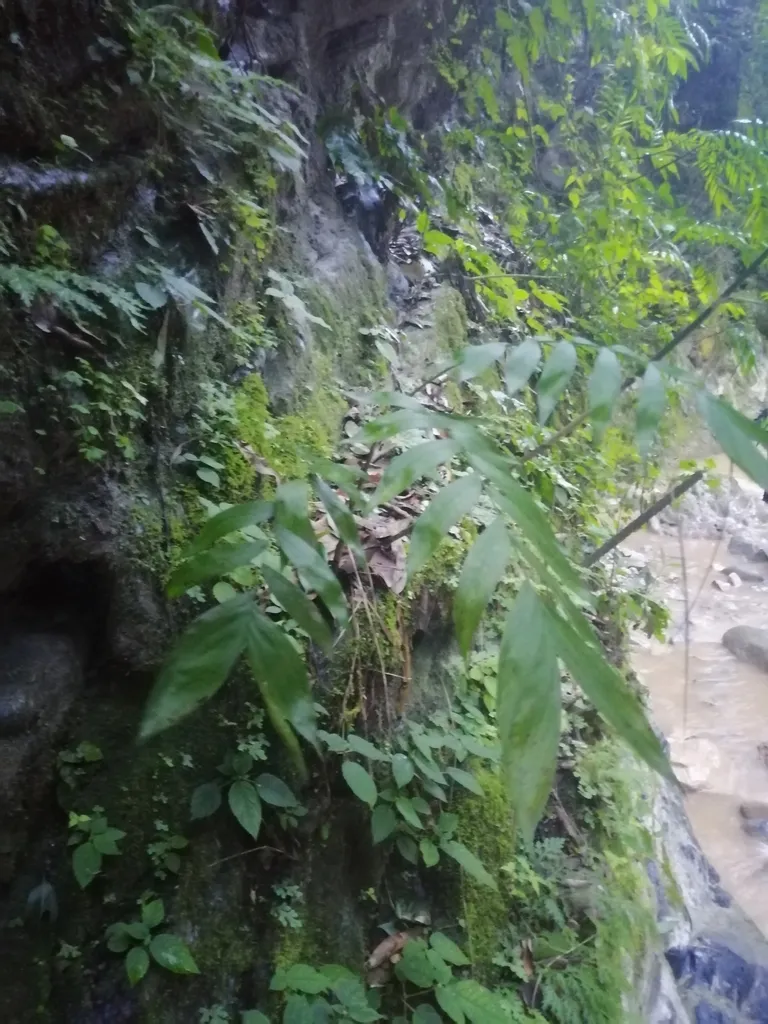
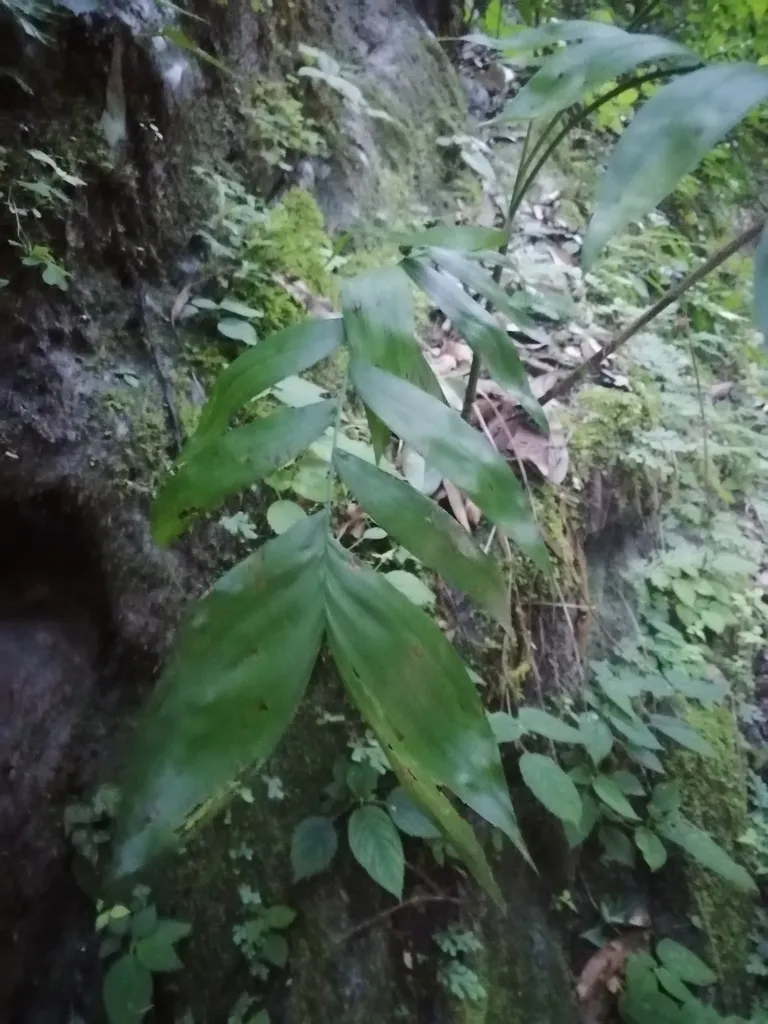
| Care difficulty | 3 / 5 |
|---|---|
| Watering schedule | Even soft soil moisture, minimal surface drying allowed between waters |
| Sunlight requirements | Partial shade |
| Ideal temperature | Information to be completed |
| Soil type | Loam · Sand |
| Soil pH | Acid · Alkaline · Neutral |
| Soil moisture | Moist but well drained |
| Fertilizing | Diluted tropical palm foliage feed monthly spring through early autumn |
| Toxicity | Information to be completed |
How to Water Chamaedorea microspadix?
Even soft soil moisture, minimal surface drying allowed between waters
Learn more →What Are the Sunlight Requirements for Chamaedorea microspadix?
Partial shade
Learn more →What Is the Ideal Temperature Range for Chamaedorea microspadix?

Information to be completed
Learn more →What Soil Is Best for Chamaedorea microspadix?
- Soil type
- Loam · Sand
- Soil pH
- Acid · Alkaline · Neutral
What Are the Moisture Requirements for Chamaedorea microspadix?
Moist but well drained
Learn more →How to Fertilize Chamaedorea microspadix?

Diluted tropical palm foliage feed monthly spring through early autumn
Learn more →How to Prune Chamaedorea microspadix?

No pruning required
Learn more →How to Propagate Chamaedorea microspadix?

Propagate by sowing seed in spring at 25°C
Learn more →How to Transplant Chamaedorea microspadix?
Information to be completed
Learn more →How to Care for Chamaedorea microspadix in Winter?

Information to be completed
Learn more →How to Plant Chamaedorea microspadix?
Grow in pots of multipurpose compost in bright, filtered light with protection from direct summer sun. Water moderately in growth and apply a balanced liquid feed every month during the growing season; mist daily to increase humidity. See palm cultivation indoors for further information
Learn more →How to Repot Chamaedorea microspadix?
Information to be completed
Learn more →How to Harvest Chamaedorea microspadix?

Information to be completed
Learn more →Common Pests & Diseases

Diseases
Generally disease-free
Pests
May be susceptible to glasshouse red spider mite, thrips and scale insects
Explore the plant health library →The Toxicity of Chamaedorea microspadix
Information to be completed