



Planting and Growing rose [Celebration Time]

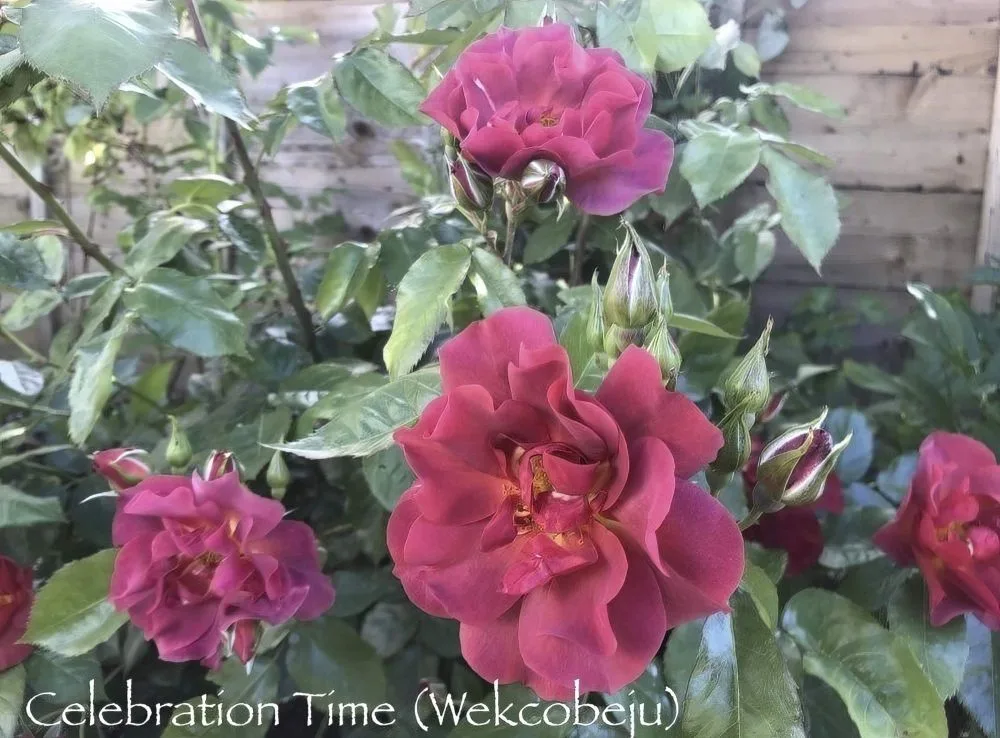
| Care difficulty | 3 / 5 |
|---|---|
| Watering schedule | Deep root watering, allow slight surface drying before watering again |
| Sunlight requirements | Full sun |
| Ideal temperature | Information to be completed |
| Soil type | Chalk · Loam · Sand |
| Soil pH | Acid · Alkaline · Neutral |
| Soil moisture | Moist but well drained · Well drained |
| Fertilizing | Rose fertilizer every two to four weeks from spring through late summer |
| Toxicity | Fruit are ornamental - not to be eaten. Wear gloves and other protective equipment when handling |
How to Water rose [Celebration Time]?
Deep root watering, allow slight surface drying before watering again
Learn more →What Are the Sunlight Requirements for rose [Celebration Time]?
Full sun
Learn more →What Soil Is Best for rose [Celebration Time]?
- Soil type
- Chalk · Loam · Sand
- Soil pH
- Acid · Alkaline · Neutral
What Are the Moisture Requirements for rose [Celebration Time]?
Moist but well drained · Well drained
Learn more →How to Fertilize rose [Celebration Time]?

Rose fertilizer every two to four weeks from spring through late summer
Learn more →How to Prune rose [Celebration Time]?

Keep single-flowering shrub roses lightly pruned, removing dead, diseased, crossing and weak growth. Thin a few old unproductive stems if crowded. Prune in late summer after flowering.
Learn more →How to Propagate rose [Celebration Time]?

Propagate by hardwood cuttings or chip budding
Learn more →How to Plant rose [Celebration Time]?
Grow in fertile, humus rich, moist but well-drained soil in full sun. Avoid watering from overhead. For best flowering apply a balanced fertiliser and mulch in late Winter or early Spring; apply fertiliser again in early Summer - see rose cultivation
Learn more →Common Pests & Diseases

Diseases
May be susceptible to rose black spot, rose rust, rose powdery mildews, which are the most common rose diseases. May also be susceptible to rose dieback, replant disease, a canker, a virus and sometimes honey fungus
Pests
May be susceptible to aphids, caterpillars, glasshouse red spider mite, leafhoppers, rabbits, rose leaf-rolling sawfly, scale insects
Explore the plant health library →The Toxicity of rose [Celebration Time]
Fruit are ornamental - not to be eaten. Wear gloves and other protective equipment when handling