



Planting and Growing giant Himalayan lily

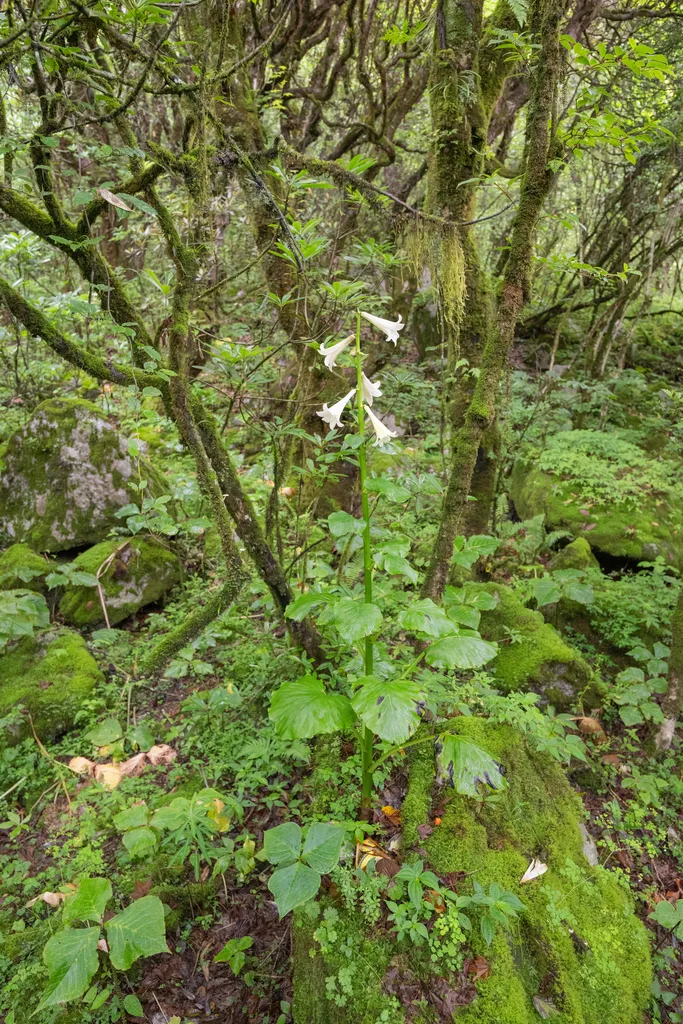
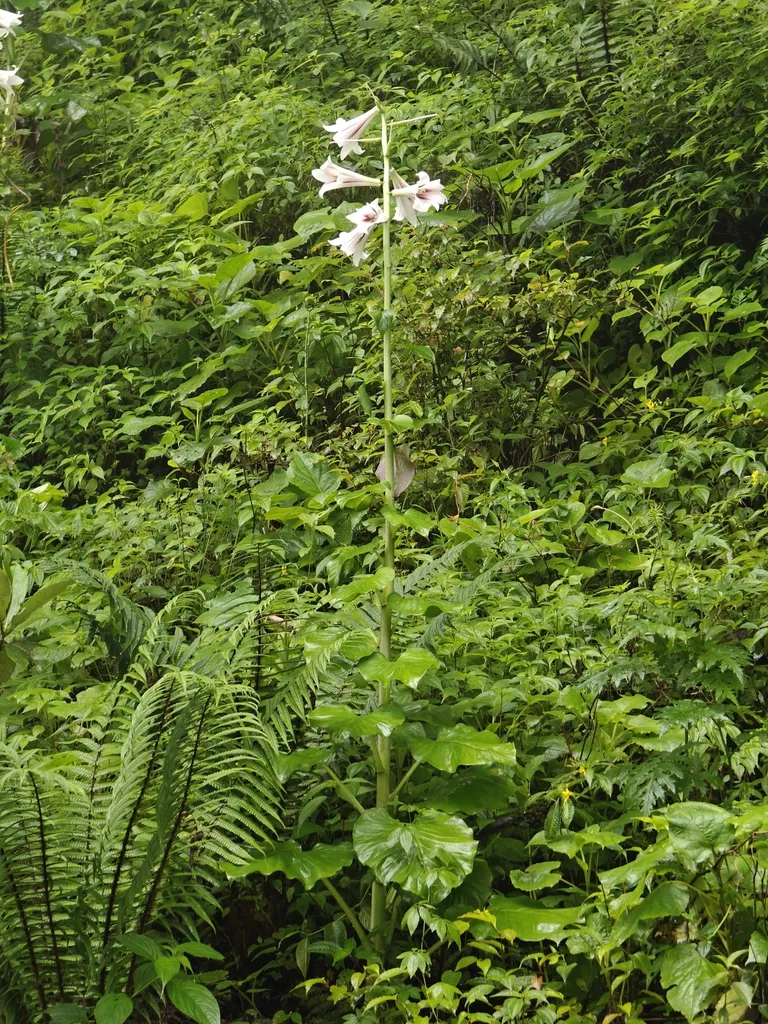
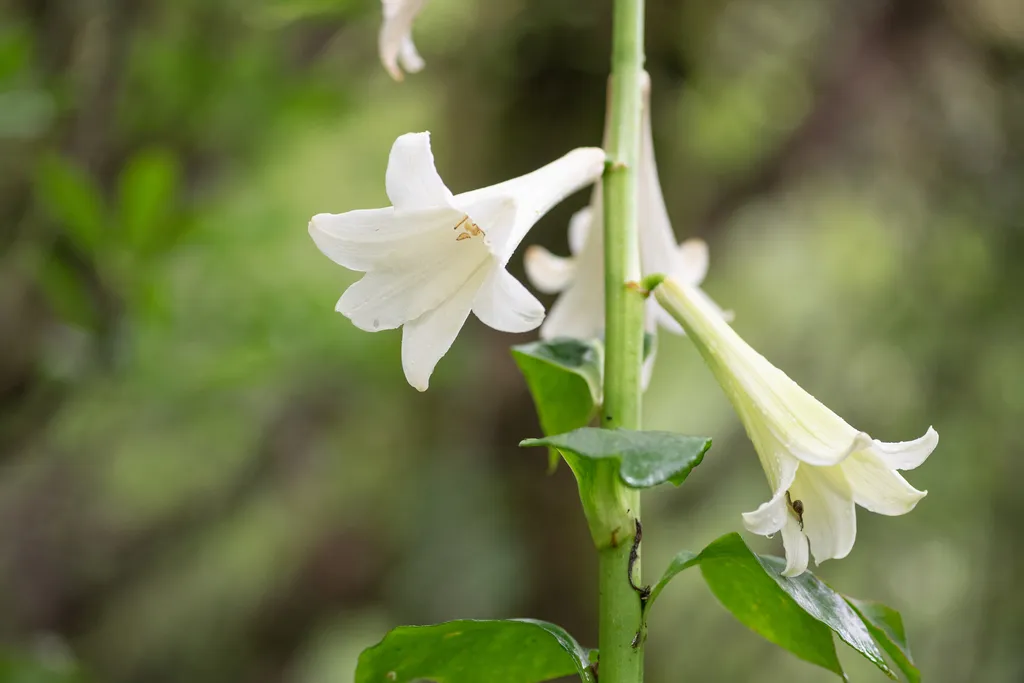
| Care difficulty | 3 / 5 |
|---|---|
| Watering schedule | Moderate regular watering, allowing brief slight drying between soakings |
| Sunlight requirements | Partial shade |
| Ideal temperature | Information to be completed |
| Soil type | Chalk · Clay · Loam · Sand |
| Soil pH | Acid · Alkaline · Neutral |
| Soil moisture | Moist but well drained |
| Fertilizing | Balanced perennial feed every four weeks from spring through summer |
| Toxicity | Information to be completed |
How to Water giant Himalayan lily?
Moderate regular watering, allowing brief slight drying between soakings
Learn more →What Are the Sunlight Requirements for giant Himalayan lily?
Partial shade
Learn more →What Soil Is Best for giant Himalayan lily?
- Soil type
- Chalk · Clay · Loam · Sand
- Soil pH
- Acid · Alkaline · Neutral
What Are the Moisture Requirements for giant Himalayan lily?
Moist but well drained
Learn more →How to Fertilize giant Himalayan lily?

Balanced perennial feed every four weeks from spring through summer
Learn more →How to Prune giant Himalayan lily?

No pruning required
Learn more →How to Propagate giant Himalayan lily?

Propagate by seed, sowing in deep pans with bottom heat, or from offsets after flowering. May take up to 7 years to flower from seed; offsets may take 4-5 years to flower
Learn more →How to Plant giant Himalayan lily?
Grow in moist but well-drained, deep, humus-rich, fertile soil. Intolerant of waterlogging and may need some protection from frosts in colder areas. Mulch and feed regularly. Intolerant of hot or dry sites. Dried seed heads can be used in flower arrangements
Learn more →Common Pests & Diseases

Diseases
May be affected by a virus
Pests
May be damaged by slugs
Explore the plant health library →