
giant Himalayan lily
Also known as: giant lily
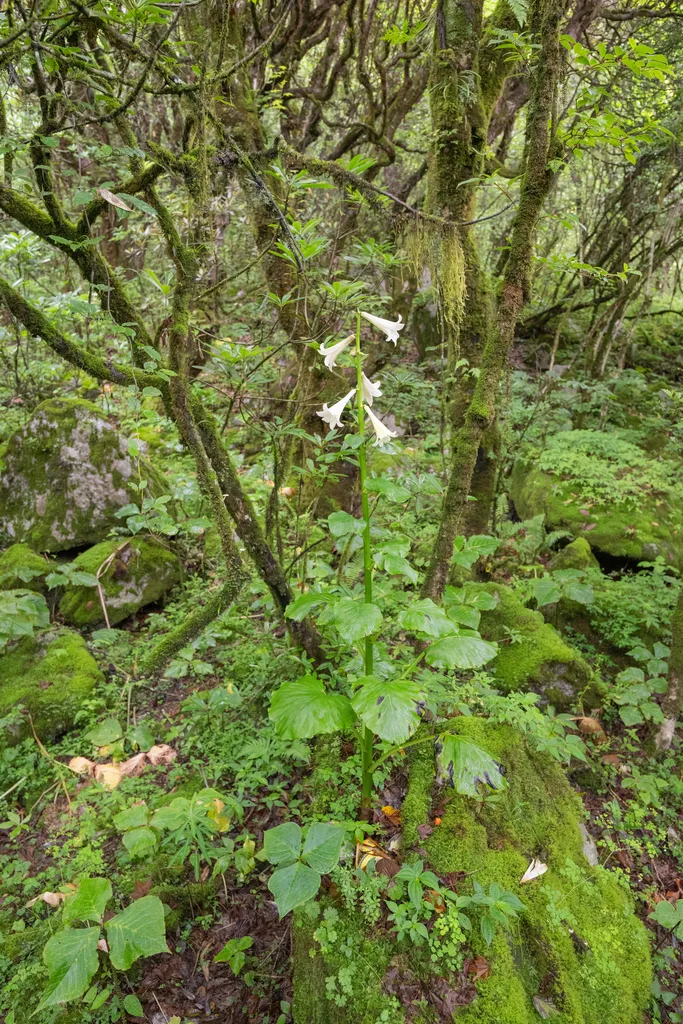
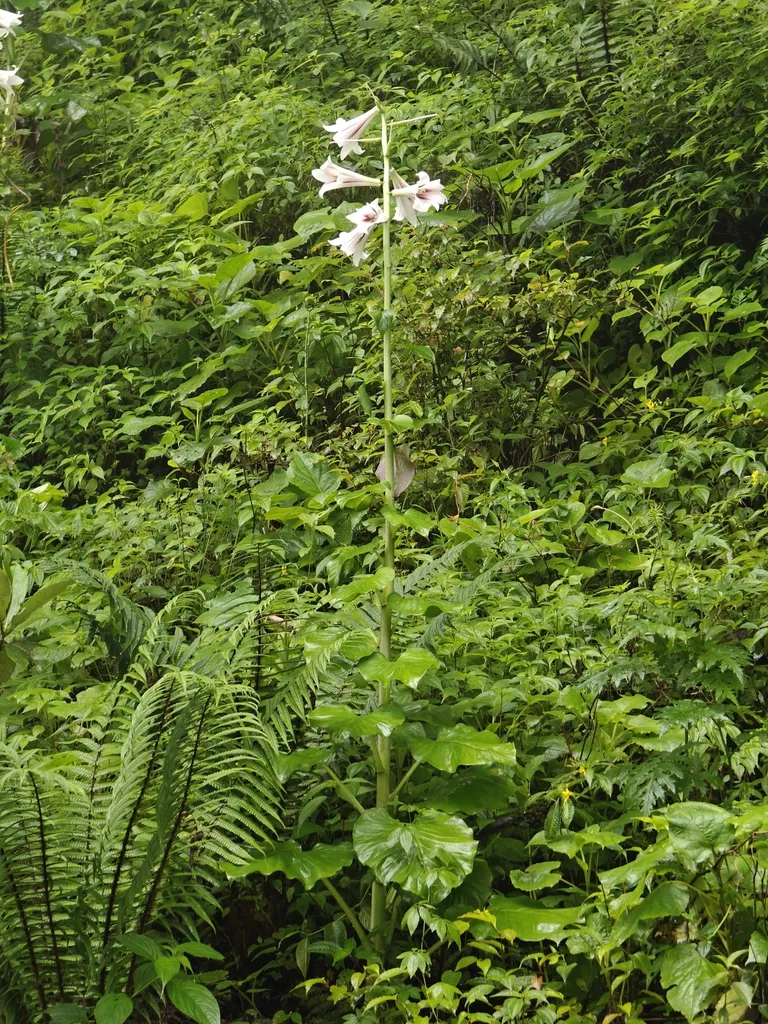
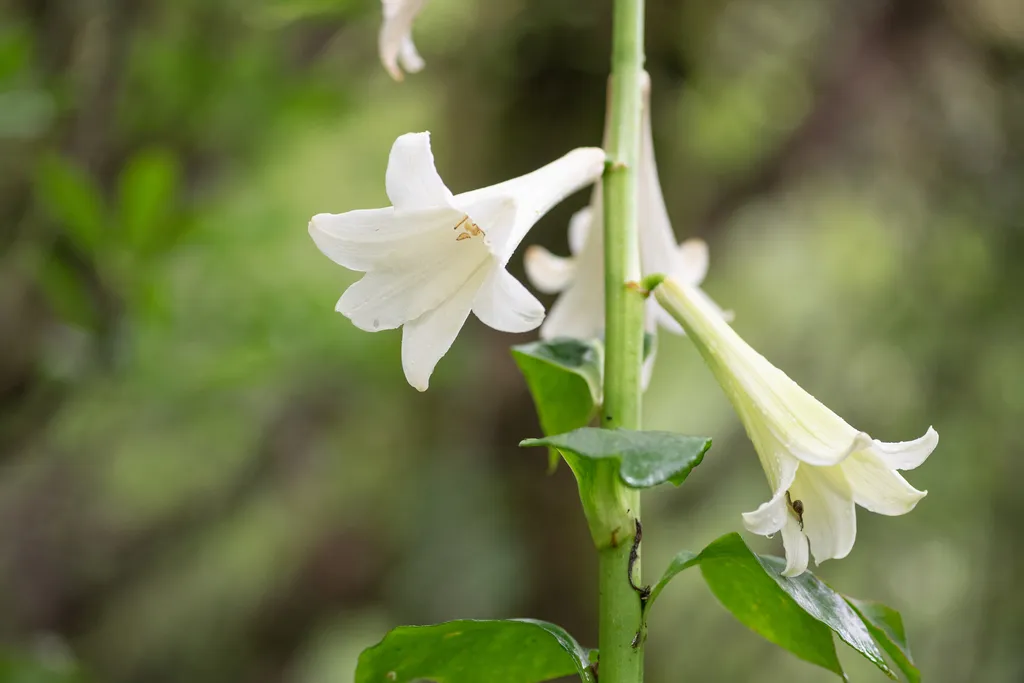
A perennial to 2m in height, with leaves to 30cm across, and terminal racemes of fragrant, trumpet-shaped white flowers marked with purple within the mouth
Scientific classification
- Species
- giant Himalayan lily (Cardiocrinum giganteum)
- Genus
- Cardiocrinum
- Family
- Liliaceae
- Order
- Liliales
- Class
- Liliopsida
- Phylum
- Magnoliophyta
- Information to be completed
- Toxicity
- Bulbs
- Plant type
- 1.5-2.5 metres
- Height
- 0.1-0.5 metres
- Spread
- Deciduous
- Foliage
- Columnar upright
- Habit
- Spring · Summer · Autumn
- Season of interest
- Partial shade
- Sunlight
- Information to be completed
- Ideal temperature









giant Himalayan lily pictures
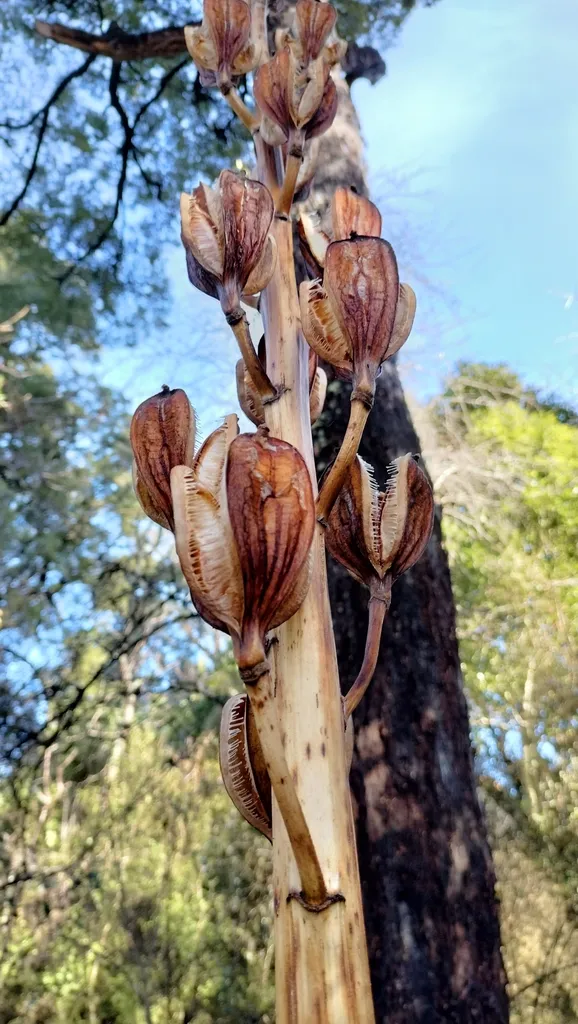
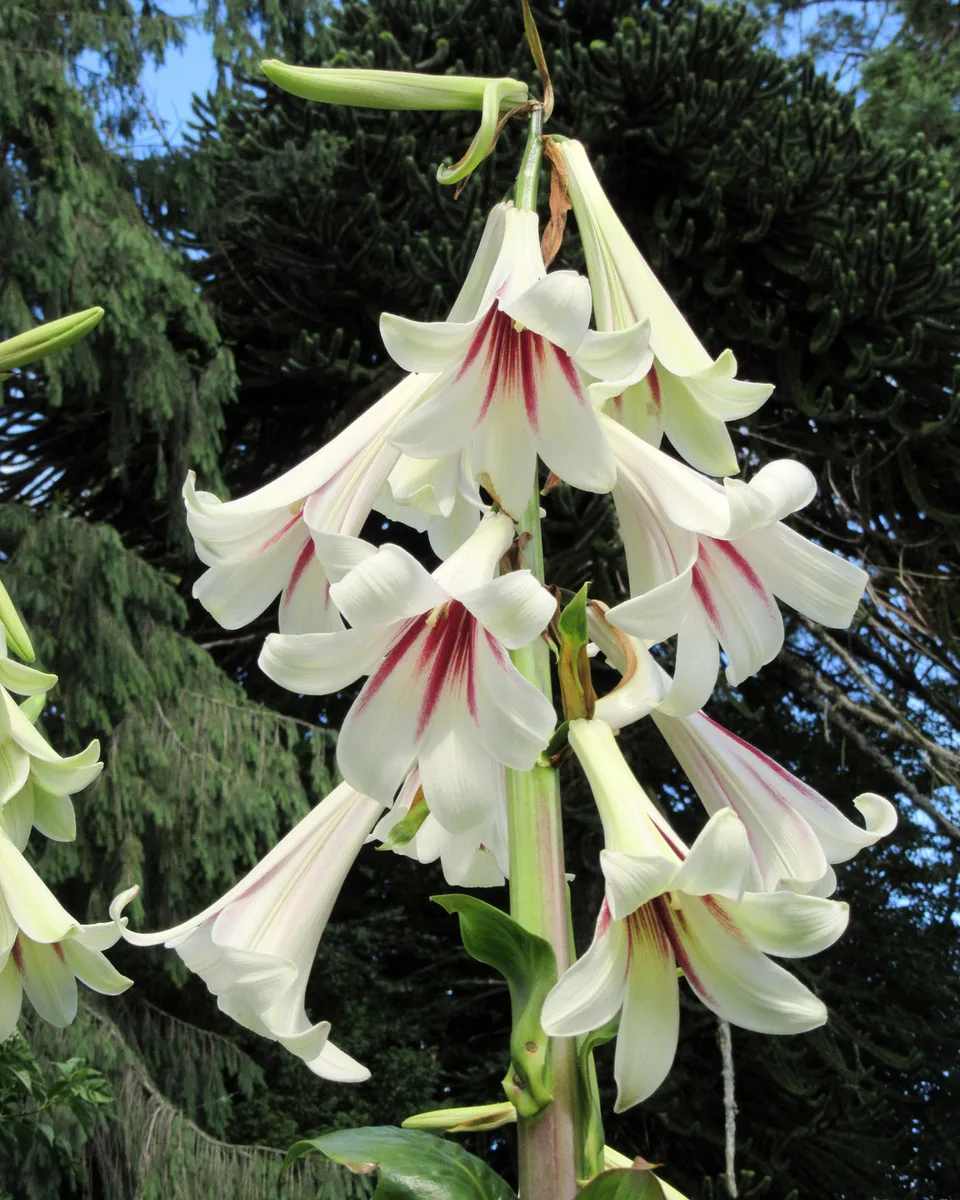
Distribution of giant Himalayan lily
Distribution map
- Native
- Introduced
- Cultivated
Source:WCVP v16 · Royal Botanic Gardens, Kew · CC BY 3.0 · Boundaries:WGSRPD / TDWG
giant Himalayan lily care guide
- Moderate regular watering, allowing brief slight drying between soakings
- Watering
- Partial shade
- Sunlight

Watering
Moderate regular watering, allowing brief slight drying between soakings
Fertilizing
 Fertilizing
Balanced perennial feed every four weeks from spring through summer
Pruning
 Pruning
No pruning required
Propagation
 Propagation
Propagate by seed, sowing in deep pans with bottom heat, or from offsets after flowering. May take up to 7 years to flower from seed; offsets may take 4-5 years to flower
Growing
 Growing
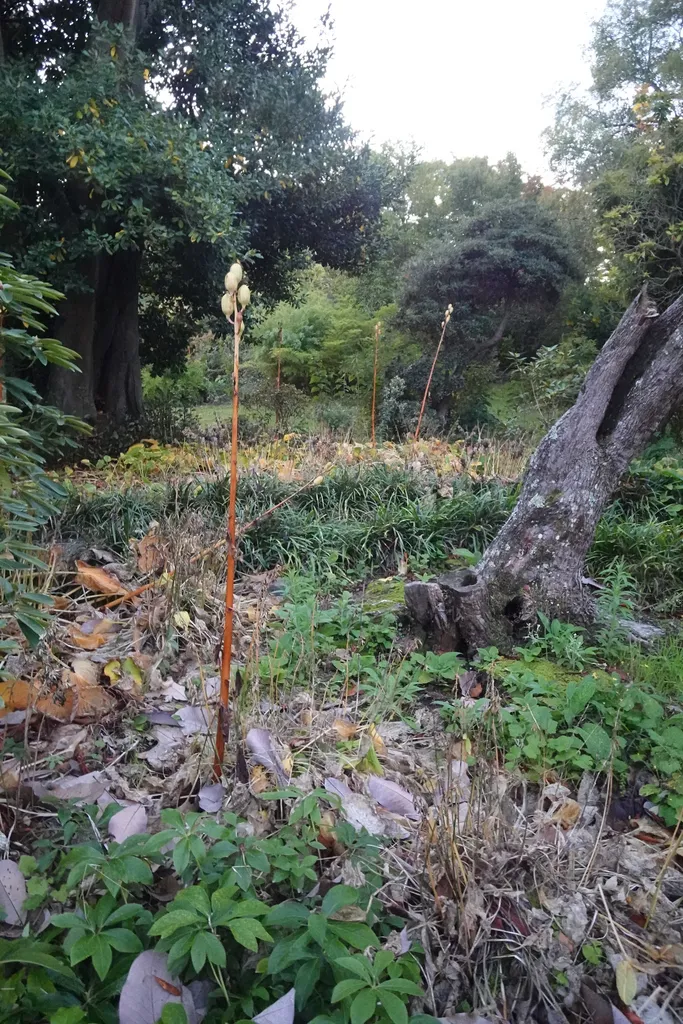
Grow in moist but well-drained, deep, humus-rich, fertile soil. Intolerant of waterlogging and may need some protection from frosts in colder areas. Mulch and feed regularly. Intolerant of hot or dry sites. Dried seed heads can be used in flower arrangements
Common pests and diseases
Diseases
May be affected by a virus
Pests
May be damaged by slugs
Explore the plant health library →




