



Planting and Growing pak choi 'Baraku'

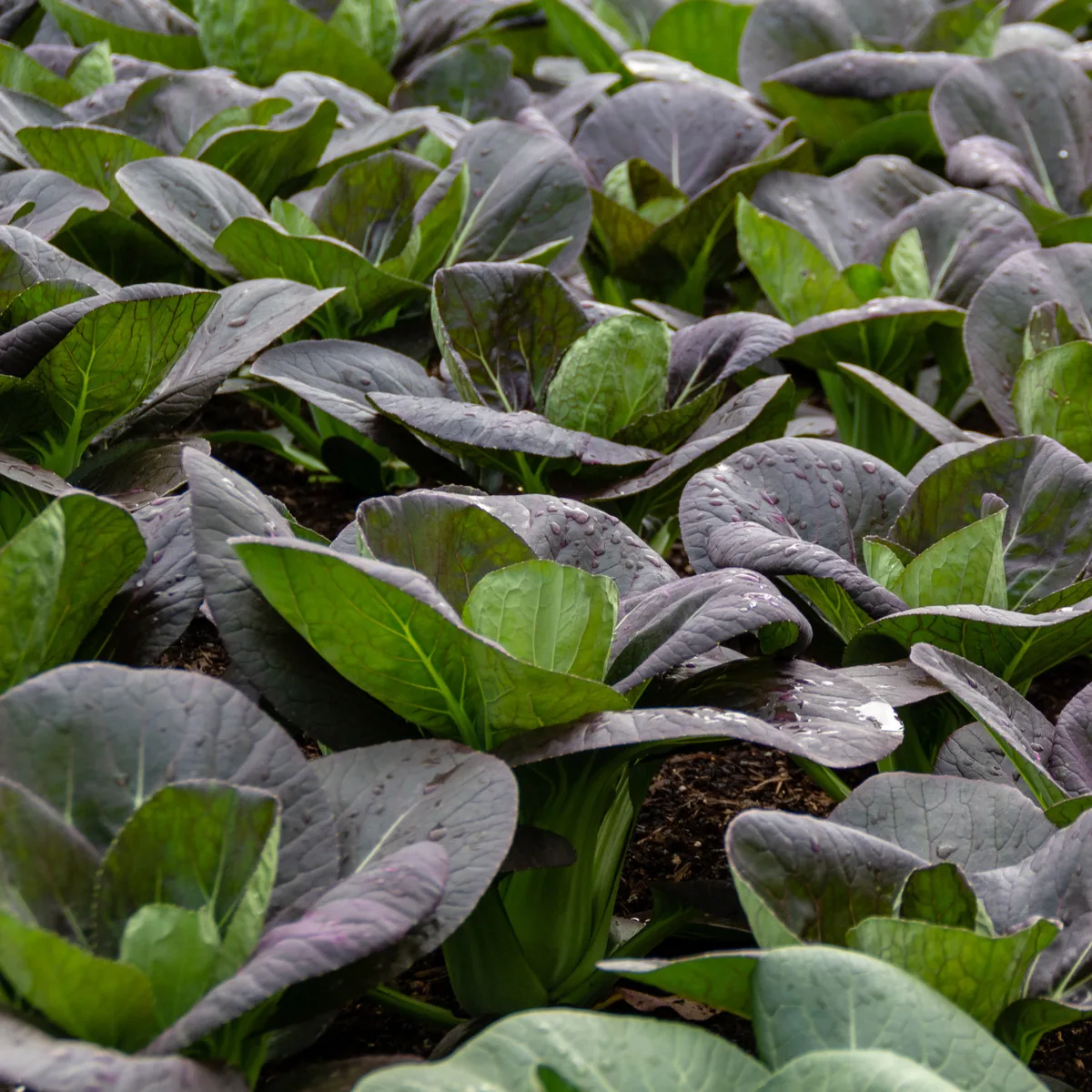
| Care difficulty | 2 / 5 |
|---|---|
| Watering schedule | Keep soil consistently moist for steady leafy growth without drought stress |
| Sunlight requirements | Full sun |
| Ideal temperature | Information to be completed |
| Soil type | Loam · Sand · Chalk |
| Soil pH | Alkaline · Neutral |
| Soil moisture | Well drained |
| Fertilizing | Nitrogen-rich vegetable feed every two to three weeks in active growth |
| Toxicity | Information to be completed |
How to Water pak choi 'Baraku'?
Keep soil consistently moist for steady leafy growth without drought stress
Learn more →What Are the Sunlight Requirements for pak choi 'Baraku'?
Full sun
Learn more →What Soil Is Best for pak choi 'Baraku'?
- Soil type
- Loam · Sand · Chalk
- Soil pH
- Alkaline · Neutral
What Are the Moisture Requirements for pak choi 'Baraku'?
Well drained
Learn more →How to Fertilize pak choi 'Baraku'?

Nitrogen-rich vegetable feed every two to three weeks in active growth
Learn more →How to Prune pak choi 'Baraku'?

No pruning required
Learn more →How to Propagate pak choi 'Baraku'?

Propagate by seed. See sowing vegetable seeds
Learn more →How to Plant pak choi 'Baraku'?
Grow in fertile, moist but well drained soil in full sun. Sow direct between Mar-July, sowing thinly into well prepared soil, 1cm deep in rows 40cm apart. Seedlings should appear within 2-4 weeks. Thin to 10cm spacing for baby leaf or 30cm for mature plants. See Vegetable Cultivation
Learn more →Common Pests & Diseases

Diseases
May be susceptible to black rot, clubroot, downy mildew, grey mould, leaf spot
Pests
May be susceptible to birds, cabbage caterpillars, cabbage root fly, cabbage whitefly, cutworms, flea beetle, slugs and snails
Explore the plant health library →