



Planting and Growing New England aster 'Helen Picton'

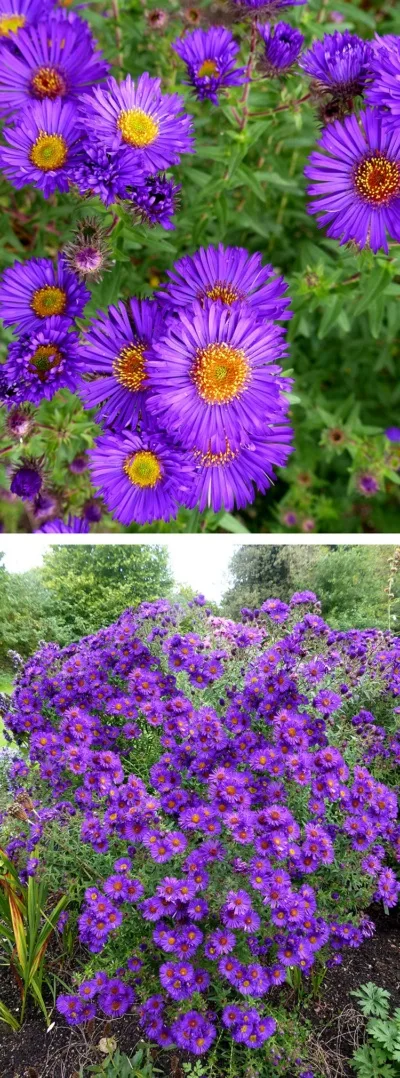
| Care difficulty | 2 / 5 |
|---|---|
| Watering schedule | Keep soil consistently moist, especially during dry summer months, for best flowering. |
| Sunlight requirements | Full sun · Partial shade |
| Ideal temperature | Information to be completed |
| Soil type | Chalk · Clay · Loam · Sand |
| Soil pH | Acid · Alkaline · Neutral |
| Soil moisture | Moist but well drained |
| Fertilizing | Apply a balanced granular fertilizer in spring and liquid feed mid-summer. |
| Toxicity | Information to be completed |
How to Water New England aster 'Helen Picton'?
Keep soil consistently moist, especially during dry summer months, for best flowering.
Learn more →What Are the Sunlight Requirements for New England aster 'Helen Picton'?
Full sun · Partial shade
Learn more →What Soil Is Best for New England aster 'Helen Picton'?
- Soil type
- Chalk · Clay · Loam · Sand
- Soil pH
- Acid · Alkaline · Neutral
What Are the Moisture Requirements for New England aster 'Helen Picton'?
Moist but well drained
Learn more →How to Fertilize New England aster 'Helen Picton'?

Apply a balanced granular fertilizer in spring and liquid feed mid-summer.
Learn more →How to Prune New England aster 'Helen Picton'?

Cut stems back close to the ground in late autumn
Learn more →How to Propagate New England aster 'Helen Picton'?

Propagate by division in spring, replanting only vigorous young shoots
Learn more →How to Plant New England aster 'Helen Picton'?
Grow in rich, fertile, moisture-retentive soil, in full sun if the soil remains moist throughout the growing season, or in partial shade; mulch every year after cutting down in late autumn. Divide every third year to retain vigour and flower quality
Learn more →Common Pests & Diseases

Diseases
May be affected by fusarium foot rot, leaf spot, grey moulds and verticillium wilt. Has some resistance to powdery mildews
Pests
May be affected by eelworm, aphids, slugs and snails
Explore the plant health library →