



Planting and Growing Symphyotrichum puniceum

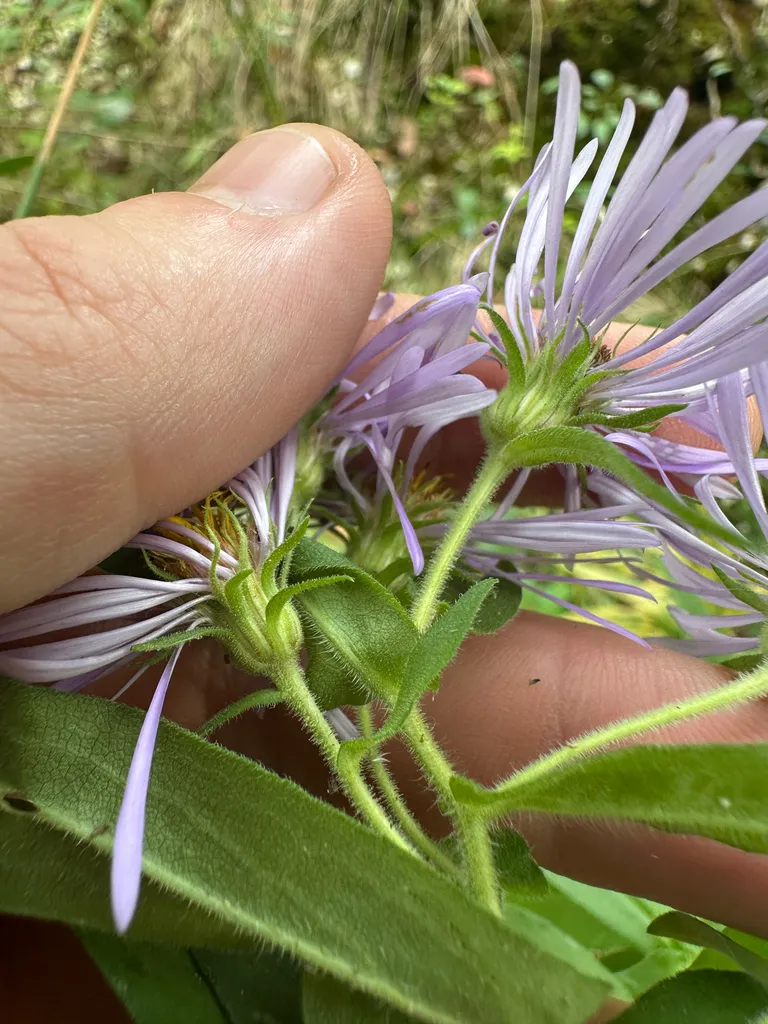
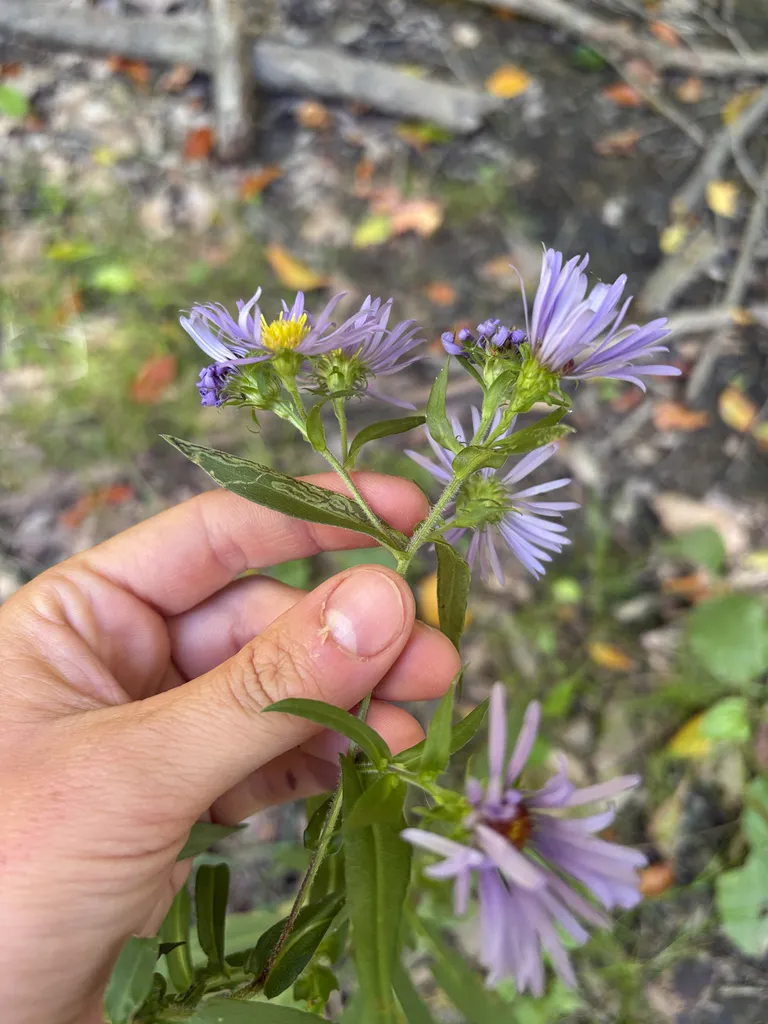
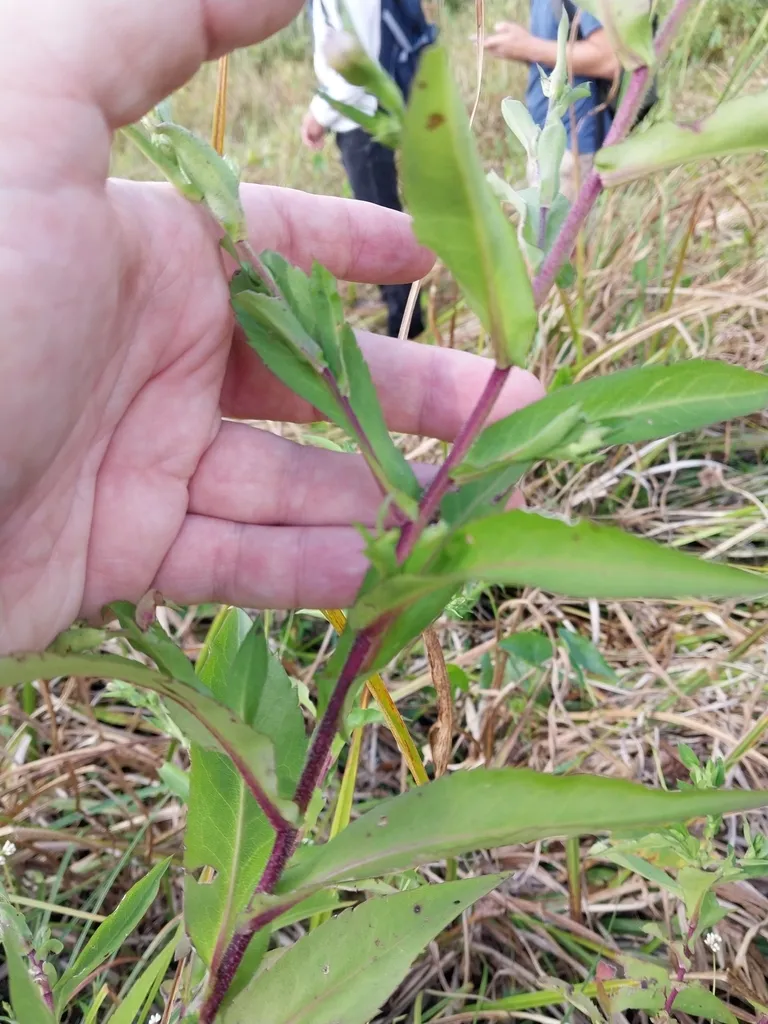
| Care difficulty | 2 / 5 |
|---|---|
| Watering schedule | Consistent moderate moisture, tolerate short dry spells in autumn cooling |
| Sunlight requirements | Full sun · Partial shade |
| Ideal temperature | Information to be completed |
| Soil type | Chalk · Clay · Loam · Sand |
| Soil pH | Acid · Alkaline · Neutral |
| Soil moisture | Moist but well drained · Well drained |
| Fertilizing | Balanced perennial feed monthly spring until end of summer flowering |
| Toxicity | Information to be completed |
How to Water Symphyotrichum puniceum?
Consistent moderate moisture, tolerate short dry spells in autumn cooling
Learn more →What Are the Sunlight Requirements for Symphyotrichum puniceum?
Full sun · Partial shade
Learn more →What Soil Is Best for Symphyotrichum puniceum?
- Soil type
- Chalk · Clay · Loam · Sand
- Soil pH
- Acid · Alkaline · Neutral
What Are the Moisture Requirements for Symphyotrichum puniceum?
Moist but well drained · Well drained
Learn more →How to Fertilize Symphyotrichum puniceum?

Balanced perennial feed monthly spring until end of summer flowering
Learn more →How to Prune Symphyotrichum puniceum?

Cut stems close to the ground in late autumn
Learn more →How to Propagate Symphyotrichum puniceum?

Propagate by division in spring or root softwood basal cuttings in spring; division can be carried out every third year to maintain vigour
Learn more →How to Plant Symphyotrichum puniceum?
Grow in moderately fertile, moist but well-drained soil in full sun or light shade. Stake tall plants in early spring, see staking perennials. See aster cultivation for further advice
Learn more →Common Pests & Diseases

Diseases
May be susceptible to Verticillium wilt, powdery mildews and grey moulds
Pests
May be susceptible to leaf and bud eelworms, slugs and snails
Explore the plant health library →