



Planting and Growing evergreen magnolia 'November Fox'

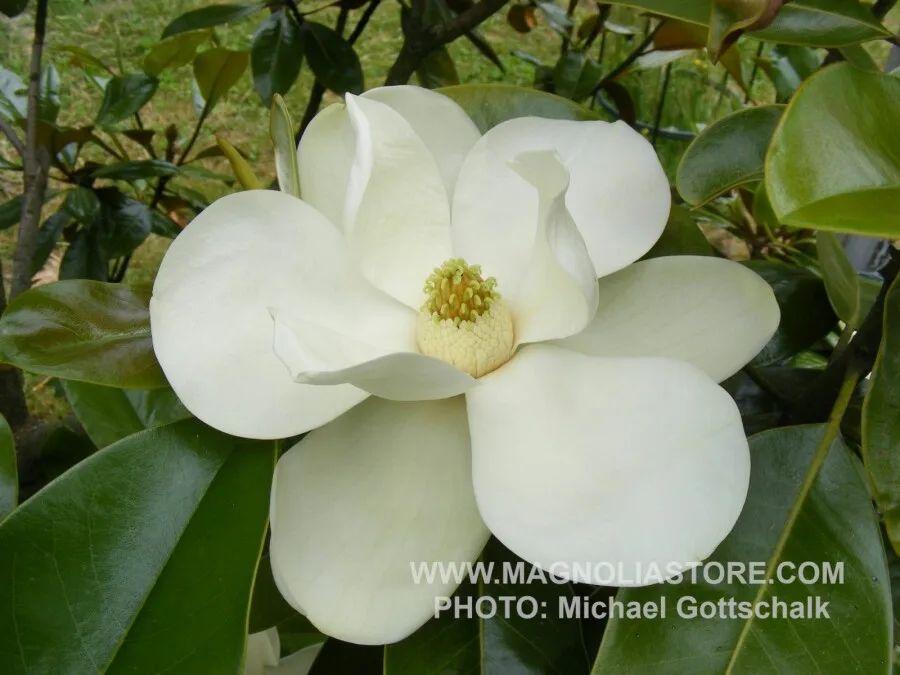
| Care difficulty | 2 / 5 |
|---|---|
| Watering schedule | Water deeply and regularly to establish a robust root system; consistent moisture is ideal. |
| Sunlight requirements | Full sun · Partial shade |
| Ideal temperature | Information to be completed |
| Soil type | Clay · Loam · Sand · Chalk |
| Soil pH | Acid · Neutral · Alkaline |
| Soil moisture | Moist but well drained · Well drained |
| Fertilizing | Fertilize in early spring with a formula for acid-loving trees and shrubs. |
| Toxicity | Information to be completed |
How to Water evergreen magnolia 'November Fox'?
Water deeply and regularly to establish a robust root system; consistent moisture is ideal.
Learn more →What Are the Sunlight Requirements for evergreen magnolia 'November Fox'?
Full sun · Partial shade
Learn more →What Soil Is Best for evergreen magnolia 'November Fox'?
- Soil type
- Clay · Loam · Sand · Chalk
- Soil pH
- Acid · Neutral · Alkaline
What Are the Moisture Requirements for evergreen magnolia 'November Fox'?
Moist but well drained · Well drained
Learn more →How to Fertilize evergreen magnolia 'November Fox'?

Fertilize in early spring with a formula for acid-loving trees and shrubs.
Learn more →How to Prune evergreen magnolia 'November Fox'?

Prune lightly as needed to remove unwanted shoots and keep the shrub in shape. Prune in mid- to late spring.
Learn more →How to Propagate evergreen magnolia 'November Fox'?

Propagate by taking semi-ripe cuttings or softwood cuttings for home use
Learn more →How to Plant evergreen magnolia 'November Fox'?
Grow in moist, well-drained preferably neutral to acid soil in sun or part shade. Tolerates dry, alkaline soil. See magnolia cultivation advice
Learn more →Common Pests & Diseases

Diseases
May be susceptible to coral spot, phytophthora, grey moulds, honey fungus, a virus or fungal leaf spot
Pests
May be susceptible to scale insects, horse chestnut scale and capsid bug
Explore the plant health library →