



Planting and Growing Goeppertia orbifolia

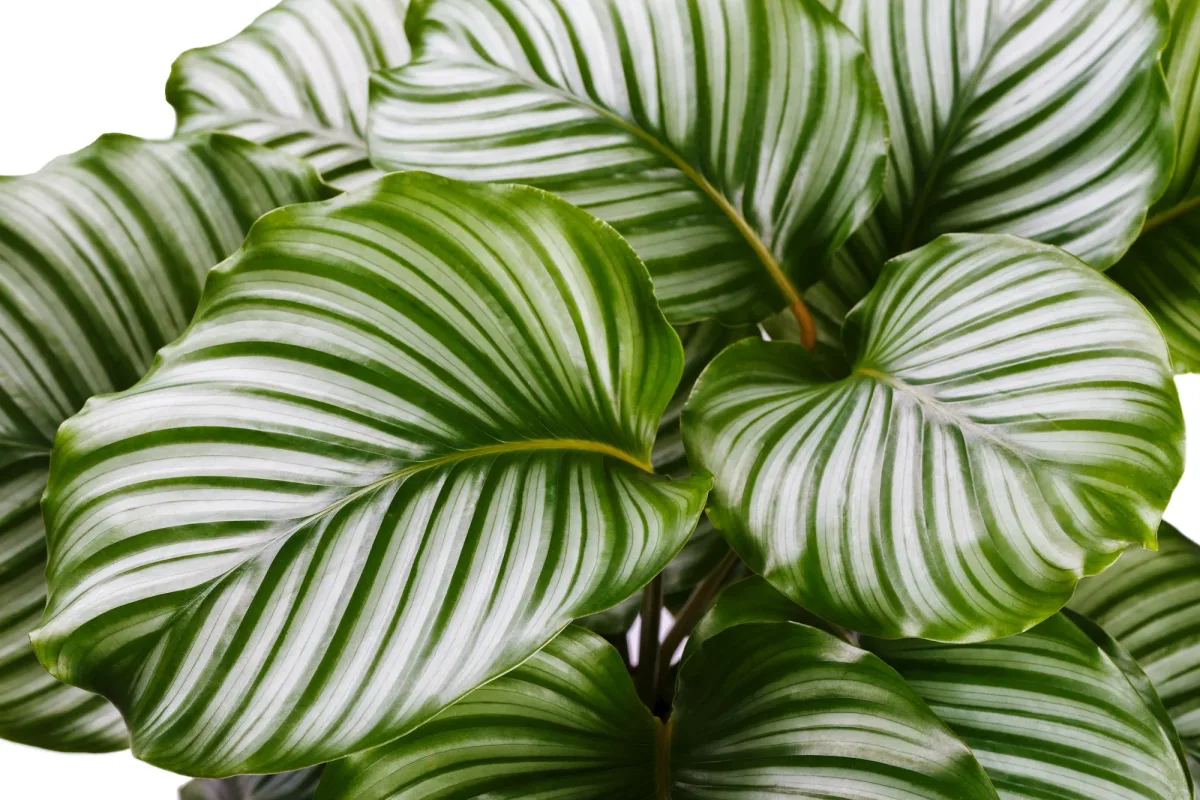
| Care difficulty | 4 / 5 |
|---|---|
| Watering schedule | Moderate regular watering, allowing brief slight drying between soakings |
| Sunlight requirements | Partial shade |
| Ideal temperature | 18 – 27 °C |
| Soil type | Loam |
| Soil pH | Acid · Neutral |
| Soil moisture | Moist but well drained |
| Fertilizing | Balanced perennial feed every four weeks from spring through summer |
| Toxicity | Information to be completed |
How to Water Goeppertia orbifolia?
Thriving in the understory of tropical rainforests, prayer plant has adapted to environments with high humidity and consistent moisture. Its leaves fold up at night as if in prayer, which is indicative of its preference for moist conditions but not overly saturated soil. Accordingly, it should be watered every week to maintain the balance it relishes. Indoor cultivation suits prayer plant well due to its need for stable conditions free from drought stress. As an evergreen plant, prayer plant's year-round foliage benefits greatly from regular misting to emulate its native humid habitat.
Learn more →What Are the Sunlight Requirements for Goeppertia orbifolia?
Prayer plant thrives best in full shade conditions where the light is diffused, avoiding the harshness of direct sunlight. Extended exposure to bright indirect light promotes healthy growth and vibrant foliage, with a daily duration of light that mimics shaded forest canopies being ideal. Although prayer plant exhibits tolerance to partial sun, excessive direct light can lead to faded leaves and stunted growth. Its adaptive leaf movements allow prayer plant to adjust to changing light throughout the day, enhancing light absorption while minimizing damage. When planted outdoors, prayer plant should be placed in spots that mimic its natural understory habitat. If grown indoors, locations that provide filtered light, such as near north-facing windows, are most suitable for maintaining plant health and aesthetics.
Learn more →What Is the Ideal Temperature Range for Goeppertia orbifolia?

Prayer plant shows moderate resilience to temperature fluctuations. It tolerates cold down to 5℃ (41℉) and can endure heat up to 43℃ (109℉). However, under extreme conditions, it may require protective measures. For instance, in colder climates, the plant may display yellowing or wilting leaves, indicating stress. Conversely, overheating can cause leaf scorching or browning. To mitigate these issues, use insulation or shading as necessary. This adaptability makes prayer plant suitable for a variety of environments, but it thrives best when care is taken to protect it from temperature extremes.
Learn more →What Soil Is Best for Goeppertia orbifolia?
Prayer plant thrives with good soil aeration to prevent root rot. Use a well-draining potting mix composed of two parts peat or coconut coir, one part perlite, and one part pine bark fines. For increased aeration, add a handful of horticultural charcoal if available. Ensure the mix allows for quick water passage while still retaining moisture. To promote healthy growth, incorporate slow-release fertilizer bi-annually or liquid feed monthly during the growing season. Avoid compacted garden soils, which hinder drainage.
- Soil type
- Loam
- Soil pH
- Acid · Neutral
What Are the Moisture Requirements for Goeppertia orbifolia?
Moist but well drained
Learn more →How to Fertilize Goeppertia orbifolia?

For optimal vigor, prayer plant thrives with monthly fertilization using high nitrogen formulas during the growing season, spring to fall. A quarter-strength solution safeguards against over-fertilization. In the dormant winter months, reduce feeding frequency to every 6-8 weeks, fostering root health and foliage without encouraging excessive growth. Advantages of such a regimen include robust growth patterns and more vibrant leaves. Precision in application ensures that prayer plant's delicate roots are unharmed, enhancing its overall wellbeing.
Learn more →How to Prune Goeppertia orbifolia?

Known for its striking, patterned leaves, prayer plant benefits from pruning in early spring. Remove dead or damaged leaves to encourage healthy growth and maintain shape. Trim overgrown stems to promote new growth, and ensure proper air circulation. Pruning helps keep the plant vigorous and prevents disease. Use sterilized tools to avoid infection. Light pruning throughout the year maintains its aesthetic and health.
Learn more →How to Propagate Goeppertia orbifolia?

Prayer plant propagates best through division, ideally during Spring or Autumn. Propagation can be moderately challenging; success is evident by new growth. Ensure healthy root separation for optimal results.
Learn more →How to Transplant Goeppertia orbifolia?
The ideal season for transplanting prayer plant is from early summer to late summer, or early winter to late winter, as this allows the plant to establish its roots without stress. Ensure that prayer plant is positioned in a well-draining location with partial to indirect sunlight. Gentle care, including proper watering and soil, will lead to a successful transplant. Happy planting!
Learn more →How to Care for Goeppertia orbifolia in Winter?

Prayer plant hails from lush, tropical regions, naturally weathering lower-light conditions during winter months. This flexibility makes it, an adaptable indoor plant, ideal for varied climates. During winter, gardeners should focus on reducing watering, maintaining moderate humidity, and avoiding cold drafts. With attentive care, prayer plant graces wintertime with its unique aesthetic.
Learn more →How to Plant Goeppertia orbifolia?
Indoors-potted: Thriving indoors, prayer plant will display its foliage more vividly in a cozy corner away from drafts, creating a lush, tropical vibe. Outdoors-potted: As a potted outdoor resident, prayer plant prefers sheltered spots where it's protected from wind and extreme elements, maintaining its vibrant leaves. Outdoors-in the ground: Prayer plant is not commonly grown outdoors in the ground due to its sensitivity to temperature fluctuations; caution is advised.
Learn more →How to Repot Goeppertia orbifolia?
Repot prayer plant, a non-climbing, compact bush, during spring to encourage robust growth. Optimal every 3-4 years, using a slightly larger pot to accommodate its moderate growth rate. Post-repotting, ensure prayer plant has well-draining soil and maintain its preferred humid environment to foster recovery. Avoid overwatering to prevent root rot. These care points are essential for the plant’s vibrant foliage to thrive.
Learn more →How to Harvest Goeppertia orbifolia?

Information to be completed
Learn more →Common Pests & Diseases

Diseases
Generally disease-free
Pests
May be susceptible to glasshouse whitefly and glasshouse red spider mite
Explore the plant health library →The Toxicity of Goeppertia orbifolia
Information to be completed