



Planting and Growing rattlesnake plant

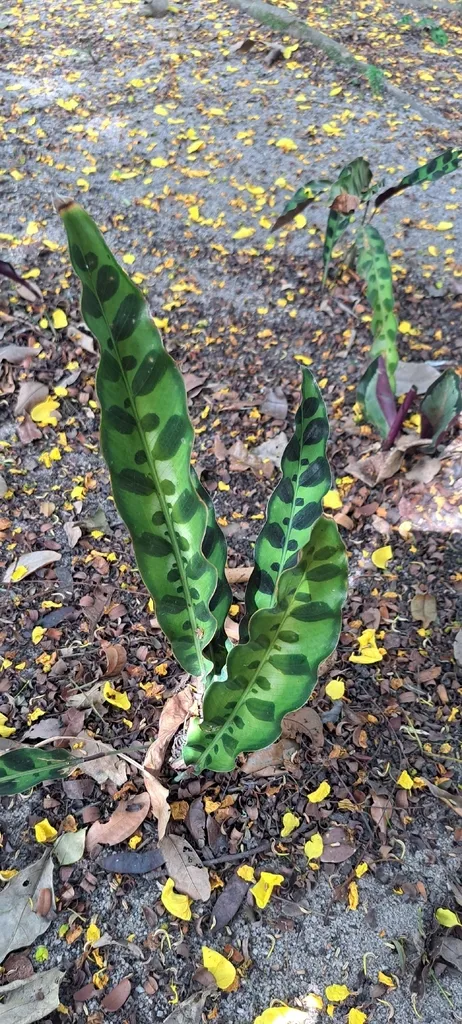
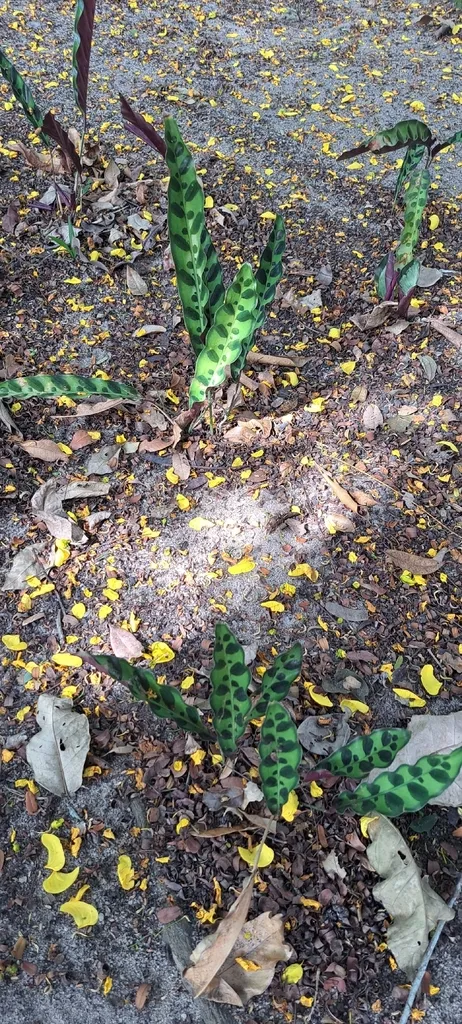
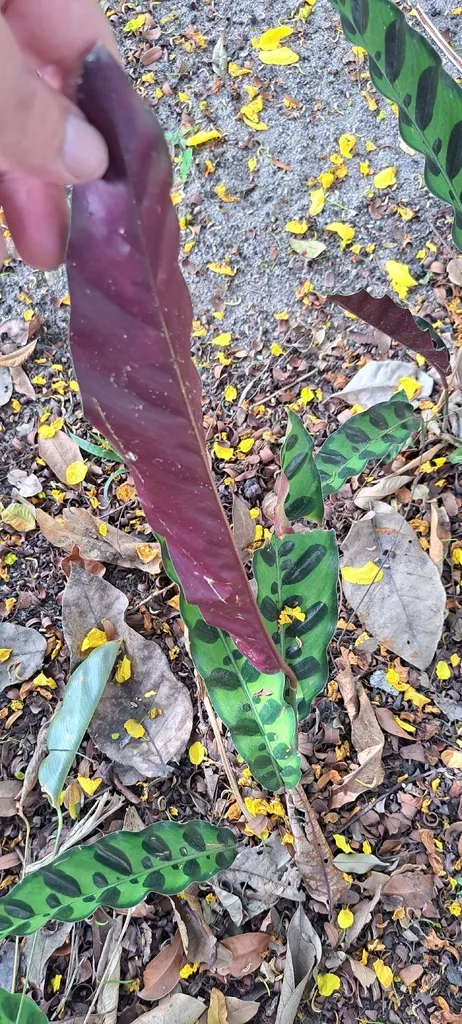
| Care difficulty | 4 / 5 |
|---|---|
| Watering schedule | Evenly moist peat mix, frequent light misting to raise ambient humidity |
| Sunlight requirements | Partial shade |
| Ideal temperature | 18 – 27 °C |
| Soil type | Chalk · Clay · Loam |
| Soil pH | Acid · Alkaline · Neutral |
| Soil moisture | Moist but well drained · Well drained |
| Fertilizing | Weak tropical foliage feed monthly spring to late summer period |
| Toxicity | Information to be completed |
How to Water rattlesnake plant?
Originating from the understory of tropical rainforests, rattlesnake-plant thrives in high humidity and consistent moisture. It is drought-sensitive, preferring a stable environment akin to its native habitat. The watering schedule for rattlesnake-plant should adhere to once every week to maintain its lush foliage. As an indoor plant, rattlesnake-plant benefits greatly from regular misting to emulate the humid conditions it loves, enhancing its vibrant leaf patterns and promoting healthy growth cycles.
Learn more →What Are the Sunlight Requirements for rattlesnake plant?
Partial shade
Learn more →What Is the Ideal Temperature Range for rattlesnake plant?

Rattlesnake-plant can endure moderate temperatures but shows sensitivity to extremes. It tolerates temperatures between 10℃ (50℉) and 43℃ (110℉). Despite this range, rattlesnake-plant prefers stable environments and may exhibit leaf curling, browning, or yellowing under cold (below 10℃) or hot (above 43℃) conditions. During cold snaps, use insulating covers to protect it, while in heatwaves, ensure adequate shading and humidity. This adaptability impacts care by necessitating close monitoring and adjustments to safeguard the plant's health and vitality under varying temperature conditions.
Learn more →What Soil Is Best for rattlesnake plant?
- Soil type
- Chalk · Clay · Loam
- Soil pH
- Acid · Alkaline · Neutral
What Are the Moisture Requirements for rattlesnake plant?
Moist but well drained · Well drained
Learn more →How to Fertilize rattlesnake plant?

Weak tropical foliage feed monthly spring to late summer period
Learn more →How to Prune rattlesnake plant?

Characterized by its striking foliage, rattlesnake-plant benefits from pruning in early spring to remove yellow or damaged leaves. Trim close to the base to encourage new growth and remove any dead or discolored foliage to maintain health and aesthetic appeal. Regular pruning can enhance air circulation, reduce disease risk, and promote more vibrant leaf patterns. Always use clean, sharp tools to prevent infection.
Learn more →How to Propagate rattlesnake plant?

A prized houseplant known for its striking leaf patterns, rattlesnake-plant thrives when propagated through division, a process that allows for the natural increase of its population while maintaining its distinct characteristics. To propagate rattlesnake-plant, one should carefully separate the rhizomes, ensuring each new section has sufficient roots and at least one growth point. After separating, plant the divisions in well-draining soil, providing high humidity and warm temperatures to encourage robust growth. Maintain consistent moisture levels without overwatering to foster a healthy root system in the young plants.
Learn more →How to Transplant rattlesnake plant?
Rattlesnake-plant thrives when transplanted during the cooler months, typically from late fall to mid-winter, to minimize stress. Choose a shaded, humid location to replicate its native environment. Prioritize gentle handling to ensure successful acclimation.
Learn more →How to Plant rattlesnake plant?
Under glass grow in loam-based or loam-less potting compost with bright indirect or filtered light. Provide high humidity, draught-free conditions and a constant temperature of at least 16°C. Water moderately when in growth and keep just moist in winter. Apply a balanced liquid fertiliser monthly
Learn more →Common Pests & Diseases

Diseases
Generally disease free
Pests
May be attacked by glasshouse whitefly and glasshouse red spider mite
Explore the plant health library →Troubleshooting
Brown, Crispy Leaf Edges or Curling Foliage
rattlesnake plant (Goeppertia insignis) is a humid tropical understory plant whose patterned leaves curl or develop brown margins when moisture, air humidity, or water minerals are out of balance.
| What you notice | Possible explanation | What to check next |
|---|---|---|
| Leaves roll inward like tubes during the day while the potting mix is dry | Acute underwatering or low ambient humidity causing the plant to conserve moisture | Check soil moisture two inches down and observe whether leaves uncurl after watering |
| Leaf tips and margins turn dry and brown even when soil is kept moist | Low indoor humidity, hot heating/AC drafts, or dissolved salts and fluoride in hard tap water | Check proximity to vents/radiators and evaluate water mineral hardness |
| Leaves curl and turn yellow-brown while the potting mix stays soggy | Overwatering and poor root aeration leading to root stress | Inspect drainage holes and feel whether the lower mix is waterlogged |
- Water with rainwater, distilled water, or filtered water when the top inch of potting mix feels barely dry, keeping the root zone evenly moist but never waterlogged.
- Increase local humidity using a pebble tray, plant grouping, or room humidifier, and move the pot away from dry heating vents or cold drafts.
- Flush the potting mix periodically with soft water to prevent soluble mineral salt buildup.
- Trim brown leaf margins neatly with clean scissors following the natural leaf shape without cutting into healthy green tissue.
Stop watering if the crown or rhizomes feel soft and mushy, and inspect roots for decay.
Remember that upward leaf folding at night is normal nyctinastic movement, not distress.
Faded Leaf Patterns, Scorched Patches, or Fine Webbing
Loss of vibrant markings or stippled yellowing usually points to excessive direct light or spider mites in dry indoor air.
| What you notice | Possible explanation | What to check next |
|---|---|---|
| Dark green and silvery or purple leaf markings look washed out or bleached | Too much direct sunlight degrading leaf pigments | Check if direct sunbeams hit the foliage during midday or afternoon |
| Fine webbing and tiny yellow-white stippling on leaf undersides | Spider mites thriving in warm, dry indoor air | Inspect leaf undersides closely and wipe with a damp white cloth to check for specks |
| A few oldest outer leaves turn yellow near the base while new rolled spears emerge | Normal lower leaf turnover as the clump matures | Confirm new shoots are healthy and pest-free |
- Move the plant to bright, filtered or medium indirect light, such as a north window or set back from an east/west window.
- Isolate immediately if spider mites are detected, rinse both leaf surfaces gently with lukewarm water, and wipe leaves clean.
- Use insecticidal soap or horticultural oil strictly according to label directions if mites persist, ensuring good air movement.
- Prune off fully yellowed base leaves with sterilized snips to keep the crown tidy.
Avoid misting leaves heavily in cool, stagnant rooms where wet foliage can encourage fungal leaf spots.