



Planting and Growing African violet 'Indigo Ruffles'

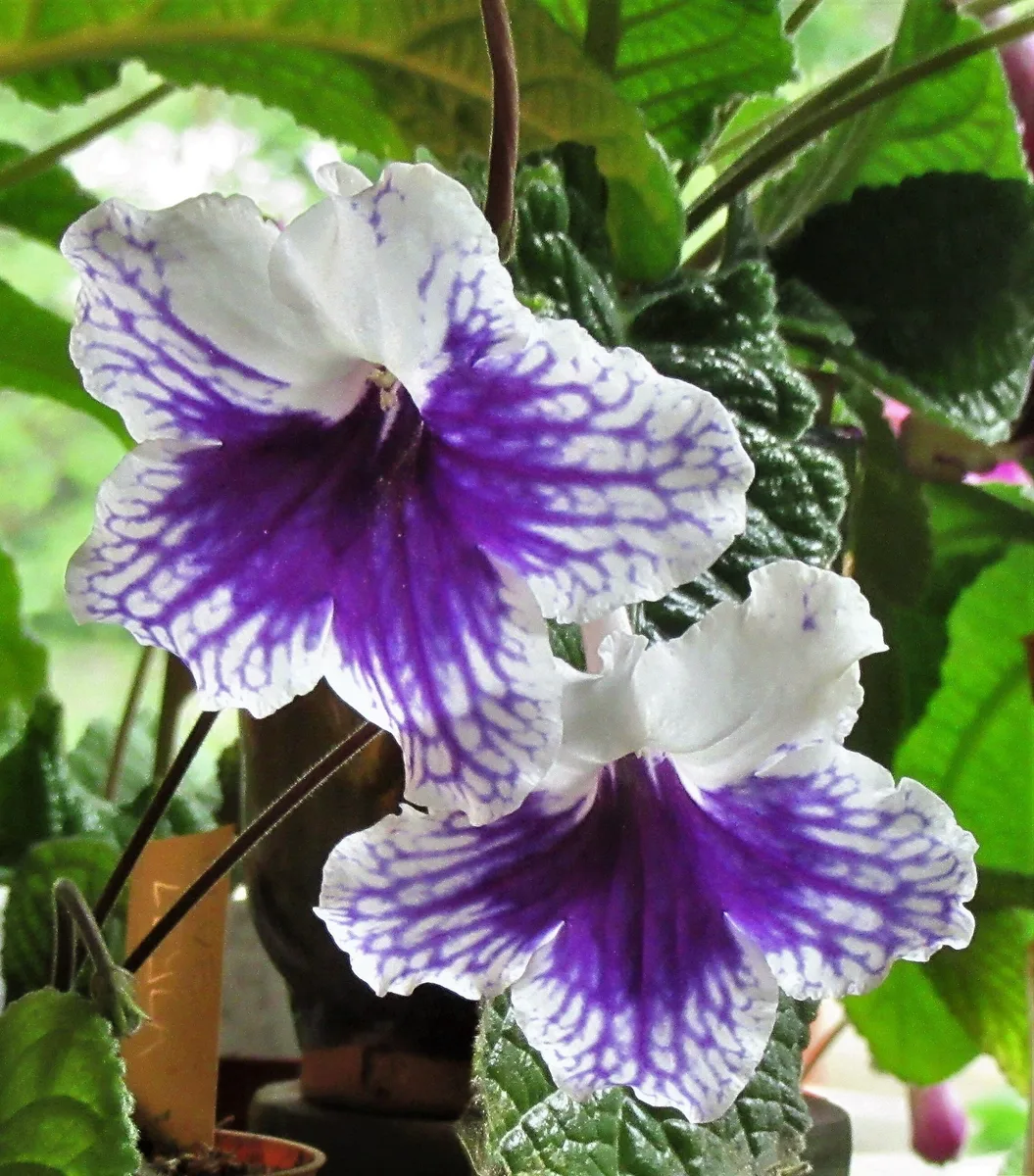
| Care difficulty | 3 / 5 |
|---|---|
| Watering schedule | Keep compost evenly moist with bright shade and good humidity |
| Sunlight requirements | Full sun · Partial shade |
| Ideal temperature | Information to be completed |
| Soil type | Loam · Sand |
| Soil pH | Acid · Alkaline · Neutral |
| Soil moisture | Moist but well drained |
| Fertilizing | Weak balanced feed every two to three weeks in active growth |
| Toxicity | Information to be completed |
How to Water African violet 'Indigo Ruffles'?
Keep compost evenly moist with bright shade and good humidity
Learn more →What Are the Sunlight Requirements for African violet 'Indigo Ruffles'?
Full sun · Partial shade
Learn more →What Soil Is Best for African violet 'Indigo Ruffles'?
- Soil type
- Loam · Sand
- Soil pH
- Acid · Alkaline · Neutral
What Are the Moisture Requirements for African violet 'Indigo Ruffles'?
Moist but well drained
Learn more →How to Fertilize African violet 'Indigo Ruffles'?

Weak balanced feed every two to three weeks in active growth
Learn more →How to Prune African violet 'Indigo Ruffles'?

Remove faded flower stalks
Learn more →How to Propagate African violet 'Indigo Ruffles'?

Propagate by division or leaf cuttings in spring
Learn more →How to Plant African violet 'Indigo Ruffles'?
Grow as a houseplant in free-draining compost on an east or west-facing windowsill, or grow in a temperate or warm greenhouse in bright filtered light with shade from hot sun. Water sparingly as compost dries in winter and in the growing season water freely allowing compost to dry out between waterings; feed fortnightly with a high-potassium fertiliser. See Streptocarpus cultivation
Learn more →Common Pests & Diseases

Diseases
May be susceptible to grey moulds (botrytis) or powdery mildews
Pests
May be susceptible to glasshouse leafhoppers, mealybugs, thrips, vine weevil and tarsonemid mite
Explore the plant health library →