



Planting and Growing white gaura

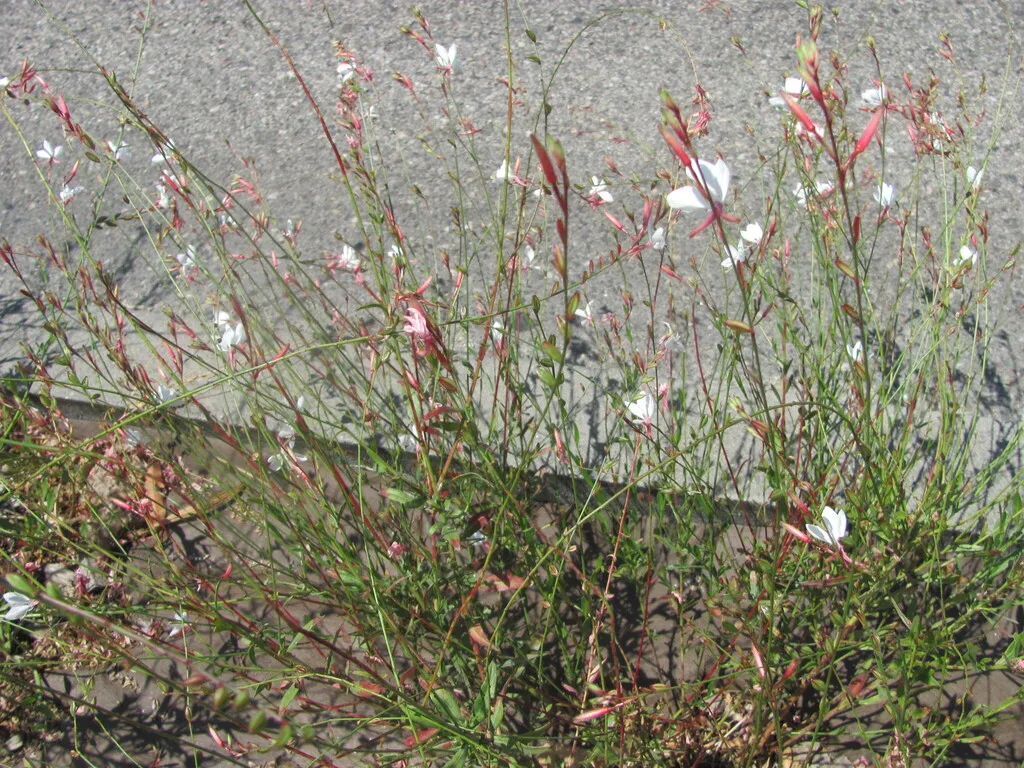
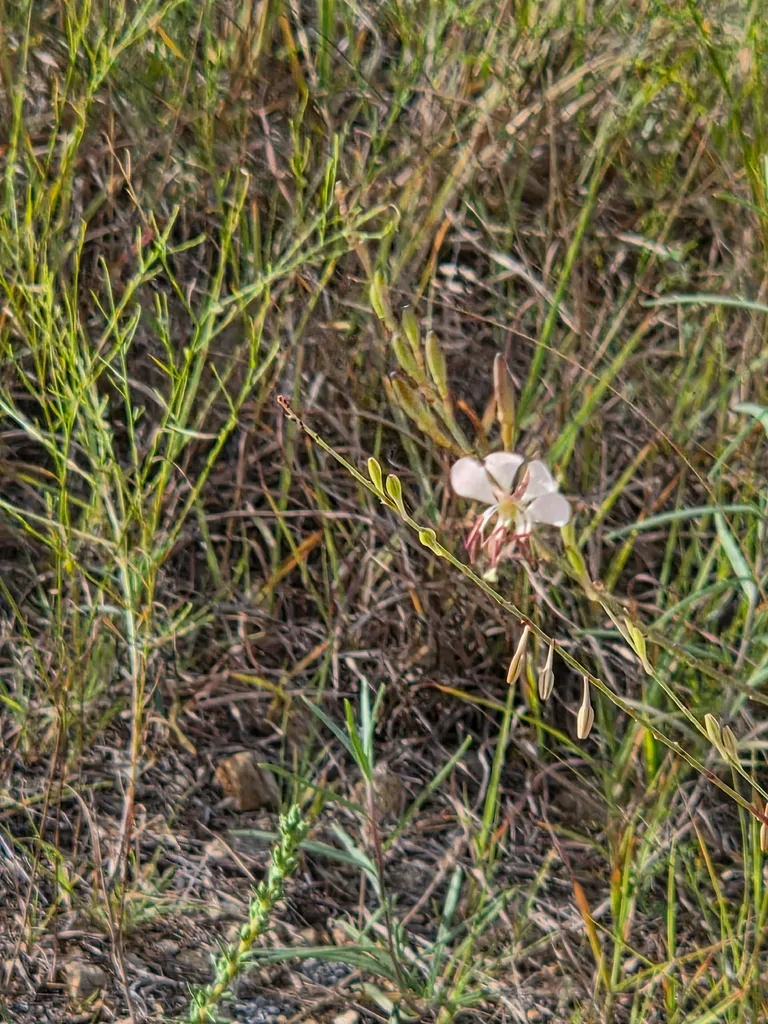
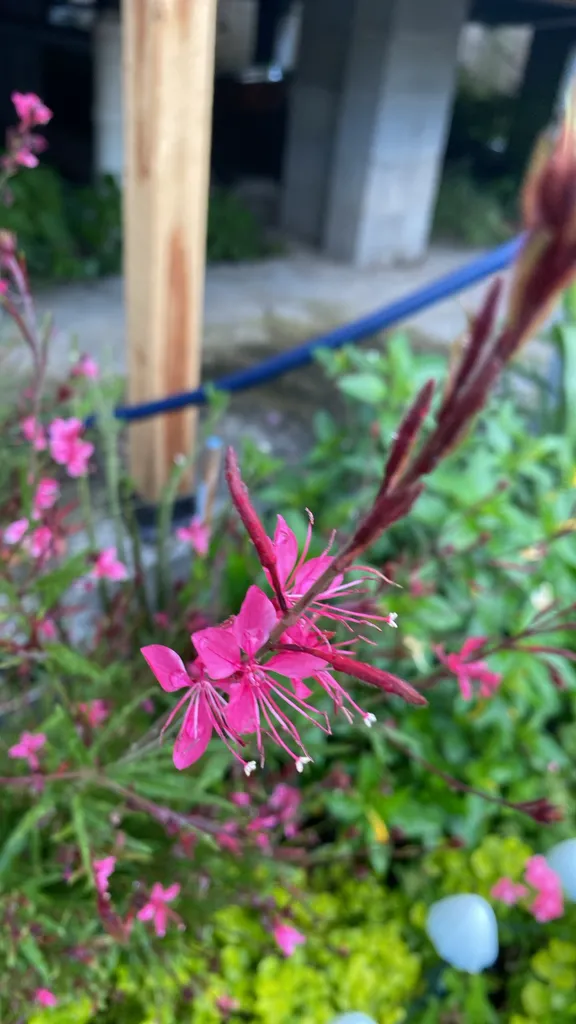
| Care difficulty | 1 / 5 |
|---|---|
| Watering schedule | Thorough watering once surface soil dries, drain all excess standing water |
| Sunlight requirements | Full sun |
| Ideal temperature | 15 – 25 °C |
| Soil type | Chalk · Loam · Sand |
| Soil pH | Acid · Alkaline · Neutral |
| Soil moisture | Moist but well drained · Well drained |
| Fertilizing | Balanced flowering liquid feed every three weeks spring through autumn |
| Toxicity | Information to be completed |
How to Water white gaura?
Thriving in its native arid habitats, lindheimer's beeblossom has adapted to endure periods of low water availability, showcasing a preference for drier conditions. Its watering needs are modest, requiring hydration only once every week to maintain health and vigor. In line with its drought tolerance, lindheimer's beeblossom flourishes best when not overwatered, ensuring that its roots remain free from rot. Typically grown outdoors due to its resilience and ability to attract pollinators, lindheimer's beeblossom enters a dormancy period where reduced watering aligns with its natural growth cycle.
Learn more →What Are the Sunlight Requirements for white gaura?
Lindheimer's beeblossom thrives in full sun, requiring at least six hours of direct sunlight daily to achieve optimal growth, health, and flowering. While lindheimer's beeblossom tolerates partial sun, lesser light may lead to reduced flowering and suboptimal growth. In full sun, lindheimer's beeblossom exhibits vigorous growth and abundant blooms, demonstrating its preference for bright conditions. Ideally planted outdoors, lindheimer's beeblossom performs best in garden beds or borders where sunlight is ample. Its leaves may exhibit increased vibrancy and sturdiness in optimal lighting, adjusting to maximize light absorption.
Learn more →What Is the Ideal Temperature Range for white gaura?

Lindheimer's beeblossom is notably resilient to temperature extremes, tolerating lows of -20°C (-4°F) and highs up to 41°C (106°F). This adaptability makes it suitable for diverse environments. However, in extreme cold, lindheimer's beeblossom may exhibit wilting or dieback. In intense heat, symptoms include scorched leaves or stunted growth. For cold protection, mulch around the base and consider frost covers. In heat, ensure adequate watering and shade cloths if necessary. Understanding these tolerance ranges helps gardeners provide appropriate care during temperature extremes, maintaining the plant's health and vigor.
Learn more →What Soil Is Best for white gaura?
Lindheimer's beeblossom thrives in well-drained soil to prevent water-logging. Use a mix of garden soil and sand or perlite for enhanced aeration. Ensure good drainage by placing small stones or broken pottery at the bottom of the pot. Adding a balanced fertilizer during the growing season can boost growth. An optional soil amendment, like compost, can also improve soil fertility and structure.
- Soil type
- Chalk · Loam · Sand
- Soil pH
- Acid · Alkaline · Neutral
What Are the Moisture Requirements for white gaura?
Moist but well drained · Well drained
Learn more →How to Fertilize white gaura?

For optimal growth, lindheimer's beeblossom thrives with balanced nutrition fertilizers, alternating occasionally with high phosphorus types to enhance flowering. Apply quarterly in growing season, reducing in winter. Use sparingly; over-fertilization can harm. Dilute to half strength to prevent root burn. Seasonal adjustments ensure lindheimer's beeblossom's vigor. Tips: water soil before fertilizing, follow label rates, and observe plant response for adjustments.
Learn more →How to Prune white gaura?

Lindheimer's beeblossom, notable for its delicate, butterfly-like flowers, benefits from pruning to maintain its shape and promote vigor. Key techniques involve cutting back in early to late spring. Trim dead or damaged stems and promote a bushier appearance by cutting back one-third of the plant's height. This encourages healthy growth and prolongs blooming. The optimal timing aligns with the plant's natural growth cycle, ensuring robust development and flowering. Regular pruning can enhance air circulation and overall plant health.
Learn more →How to Propagate white gaura?

Lindheimer's beeblossom is best propagated through sowing in spring. This plant presents moderate difficulty in propagation, with successful growth indicated by emerging seedlings. Maintain adequate moisture and well-draining soil for optimal results.
Learn more →How to Transplant white gaura?
Transplanting lindheimer's beeblossom is best done during the mild months of mid-spring to early summer, when the plant can easily establish itself. Choose a sunny location, preferably in well-draining soil. Take extra care with root handling to ensure successful transplanting. Happy gardening!
Learn more →How to Plant white gaura?
Indoors-potted: Growing lindheimer's beeblossom indoors requires ample space as it tends to spread; rotate the pot periodically for balanced growth. Outdoors-potted: Lindheimer's beeblossom thrives outdoors in pots, with aeration holes essential to prevent waterlogging and promote healthy roots. Outdoors-in the ground: When planting lindheimer's beeblossom in the garden, allow room between plants for air circulation, which is key to preventing mildew.
Learn more →How to Repot white gaura?
Repot lindheimer's beeblossom every 2-3 years in early spring, as it thrives with fresh soil to accommodate its moderate growth. Choose a container one size larger to support its upright, bushy form. Post-repotting, allow lindheimer's beeblossom to settle with light watering and partial sunlight. This fuss-free beauty flourishes with minimal care, so ensure well-draining soil for optimal growth.
Learn more →Common Pests & Diseases

Diseases
Generally disease-free
Pests
Generally pest-free
Explore the plant health library →