



Planting and Growing hortensia

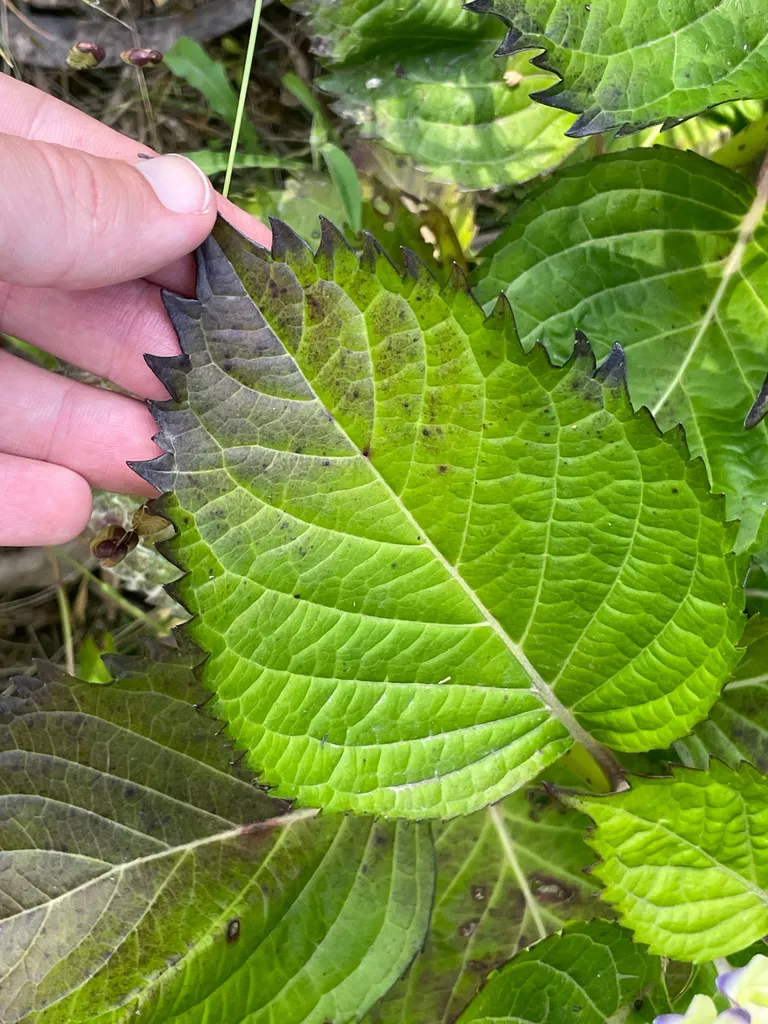
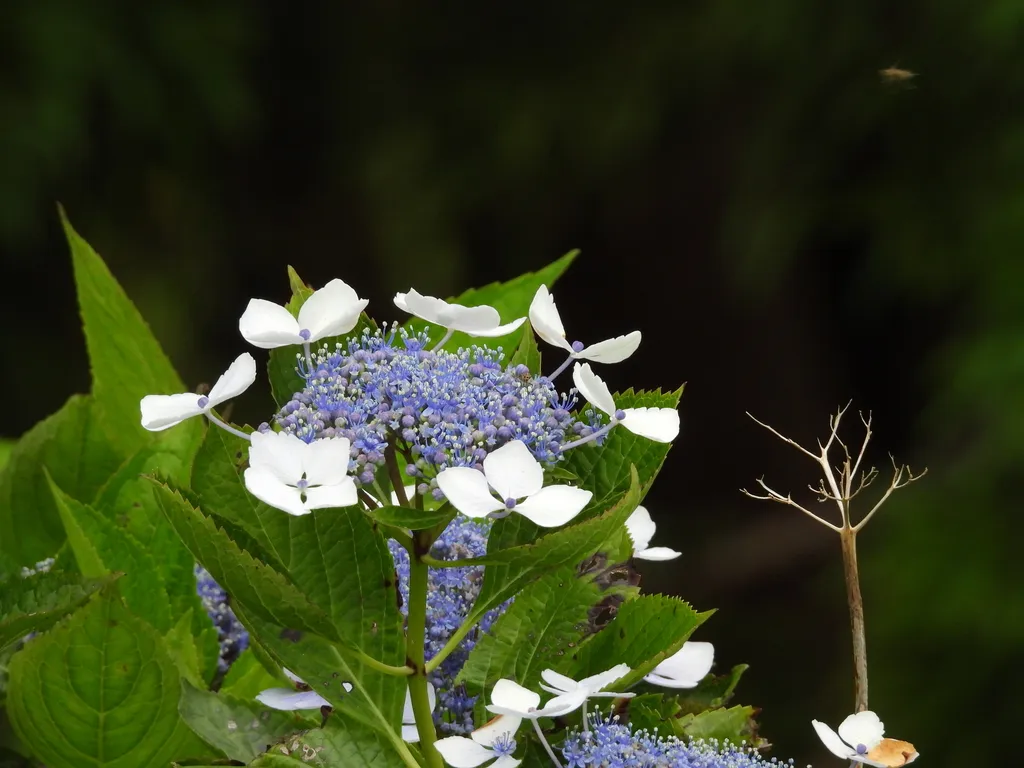
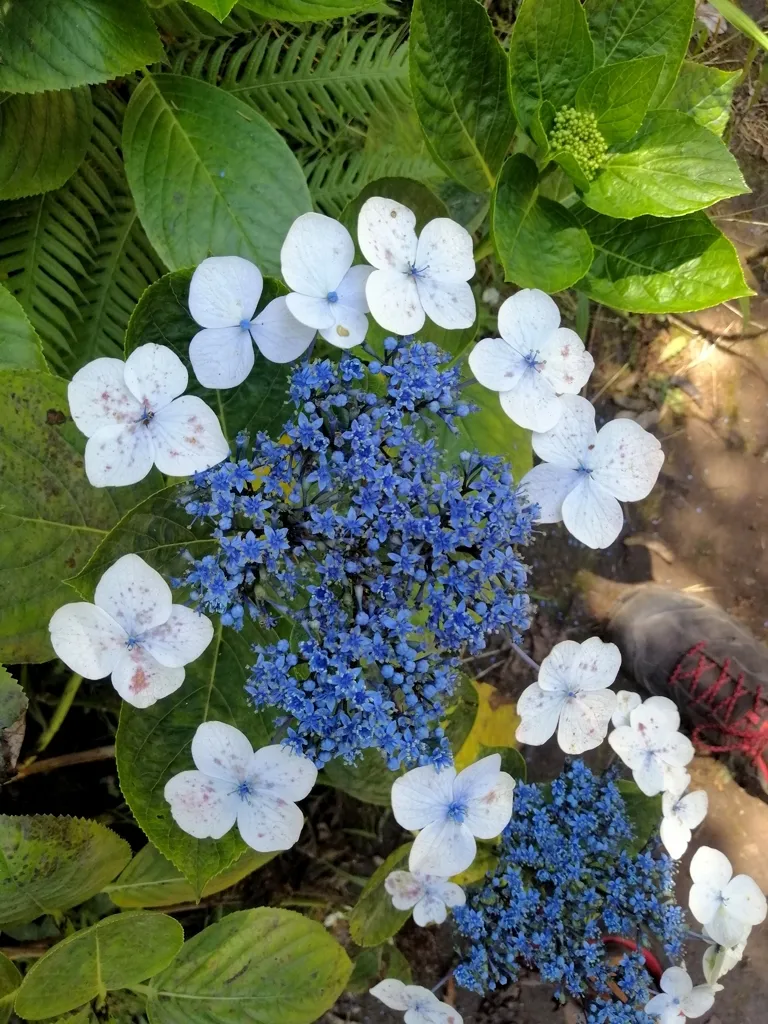
| Care difficulty | 3 / 5 |
|---|---|
| Watering schedule | Keep soil moist, especially in summer |
| Sunlight requirements | Full sun · Partial shade |
| Ideal temperature | 15 – 25 °C |
| Soil type | Clay · Loam · Sand |
| Soil pH | Acid · Alkaline · Neutral |
| Soil moisture | Moist but well drained |
| Fertilizing | Monthly in spring and summer |
| Toxicity | Skin allergen. Wear gloves and other protective equipment when handling |
How to Water hortensia?
Originating from the moist environments of Japan, bigleaf hydrangea thrives in conditions that mimic its natural habitat's humidity. It exhibits a preference for consistently moist soil and tolerates only brief periods of drought. Care should be taken to maintain soil moisture without waterlogging, watering once every 1-2 weeks. As an outdoor plant often favored for its lush foliage and large blooms, bigleaf hydrangea benefits greatly from rainwater during its active growing season, which enhances its flowering potential.
Learn more →What Are the Sunlight Requirements for hortensia?
Bigleaf hydrangea thrives in partial sun exposure, where it receives dappled light or morning sunlight followed by afternoon shade. This ensures it has sufficient energy for growth and flowering without the stress of intense midday heat. While bigleaf hydrangea tolerates full sun, this can lead to scorching in hotter climates, and under full shade, it may produce fewer blooms and exhibit leggy growth. Adaptive traits include leaf adjustments to modulate light intake and potential color changes in blooms based on light quality. Ideally, outdoors bigleaf hydrangea should be planted in a location that mirrors its natural woodland habitat, and indoors, near windows with filtered sunlight to mimic these conditions.
Learn more →What Is the Ideal Temperature Range for hortensia?

Bigleaf hydrangea showcases notable resilience to temperature variations, handling cold down to -15℃ (5℉) and heat up to 38℃ (100℉). Despite this adaptability, protective measures during extremes are vital for optimal health. In cold, symptoms like wilting or frost damage may appear, while overheating can cause leaf scorch or browning. Countermeasures include mulching and frost covers for cold, and afternoon shade or increased watering for heat. This tolerance range makes bigleaf hydrangea suitable for various environments, but attentiveness to weather-induced stress is crucial for thriving growth.
Learn more →What Soil Is Best for hortensia?
Bigleaf hydrangea requires soil that is rich in humus and well-drained. It likes moist soil but is not resistant to waterlogging. If the soil is heavy, coarse sand or organic fertilizer can be added to improve draining and permeability. This can also increase the organic matter content. If the soil easily dries out, cover it with organic mulch to keep it moist while maintaining ventilation. The soil pH will affect flower colors of some varieties of bigleaf hydrangea. Bigleaf hydrangea growing in acidic and aluminum-rich soils will bloom in blue, while in alkaline soils they bloom in pink. An appropriate amount of aluminum sulfate or lime can be added to the soil to adjust the pH if you want to control the flower color.
- Soil type
- Clay · Loam · Sand
- Soil pH
- Acid · Alkaline · Neutral
What Are the Moisture Requirements for hortensia?
Moist but well drained
Learn more →How to Fertilize hortensia?

For optimal health, bigleaf hydrangea requires balanced nutrition with a fertilizer such as 10-10-10 NPK, applied bi-monthly during growing seasons. Aluminum sulfate enhances blue blooms, while limestone favors pink, though use sparingly to avoid root burn. The color change reflects the soil pH impact on aluminum uptake. Seasonal adjustments in fertilization promote robust growth and vivid blossoms. In winter, reduce feeding to prevent nutrient overload. Always water bigleaf hydrangea thoroughly post-fertilization to aid absorption and prevent chemical concentration at roots.
Learn more →How to Prune hortensia?

Bigleaf hydrangea features large, vibrant blooms and lush green foliage. For optimal health, prune in early spring, removing dead or weak stems and shaping the plant for better airflow. Pruning right after blooming allows for bud formation on old wood, ensuring a robust display next season. Regular pruning encourages healthier growth and more abundant flowers. Consistent annual pruning also prevents over-crowding, enhancing the plant's aesthetic appeal and health.
Learn more →How to Propagate hortensia?

The ideal season for propagating bigleaf hydrangea is Spring and Summer. The preferred method is cutting, which is relatively easy to achieve. Look for new roots as a sign of successful propagation. Ensure proper moisture and warmth for optimal growth.
Learn more →How to Transplant hortensia?
The perfect time to transplant bigleaf hydrangea is from late spring to mid-summer, as the weather conditions promote healthy root growth. Choose a location with dappled or partial shade and well-draining soil for optimal results. During transplanting, be gentle with the delicate roots to ensure success.
Learn more →How to Care for hortensia in Winter?

Information to be completed
Learn more →How to Plant hortensia?
Indoors-potted: Keep your bigleaf hydrangea in a spot where it can enjoy the cozy ambience of your home, away from harsh direct heat sources to maintain its vibrant foliage. Outdoors-potted: When potted outside, rotate your bigleaf hydrangea's container periodically to ensure even growth and flowering as it basks in the soft outdoor light. Outdoors-in the ground: In the garden, bigleaf hydrangea thrives with ample space—mindful pruning after blooming enhances shape and encourages next season's blooms.
Learn more →How to Repot hortensia?
Repot your bigleaf hydrangea in early spring every 2 to 3 years to accommodate its bushy growth and avoid root crowding. Choose a container 2 inches larger in diameter to support its expansive roots. After repotting, maintain moist soil and partial sun, ensuring a gentle recovery for this temperamental beauty. Amply drained pots advocate for bigleaf hydrangea's thriving.
Learn more →How to Harvest hortensia?

Bigleaf hydrangea inflorescences can be divided into two categories according to their shapes: Lacecap and Mophead. Both can be used as cut flowers. The inflorescences can be cut with sharp scissors as soon as they fully bloom. The best time to pick flowers is early morning, which helps avoid the effects of evaporation. The stem should be cut at a 45-degree angle and soaked in cool water as soon as possible to prevent moisture loss.
Learn more →Common Pests & Diseases

Diseases
May be susceptible to a leaf spot, grey moulds, powdery mildews and honey fungus
Pests
May be susceptible to aphids, capsid bug, hydrangea scale and vine weevil
Explore the plant health library →The Toxicity of hortensia
Skin allergen. Wear gloves and other protective equipment when handling