



Planting and Growing garlic mustard

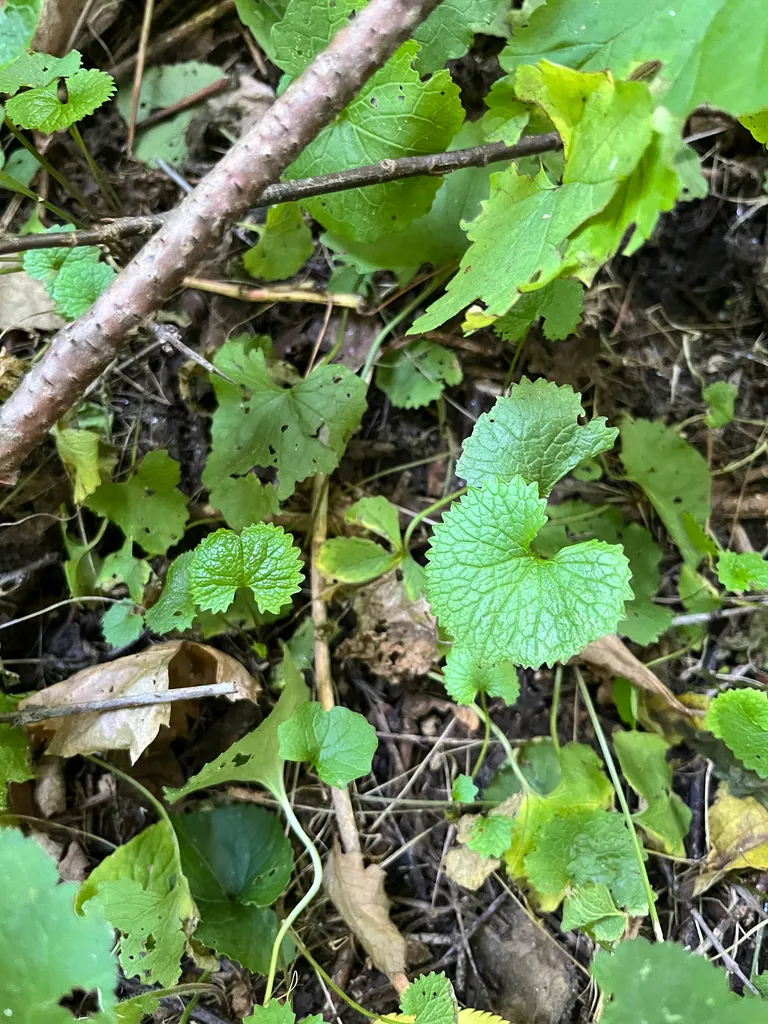
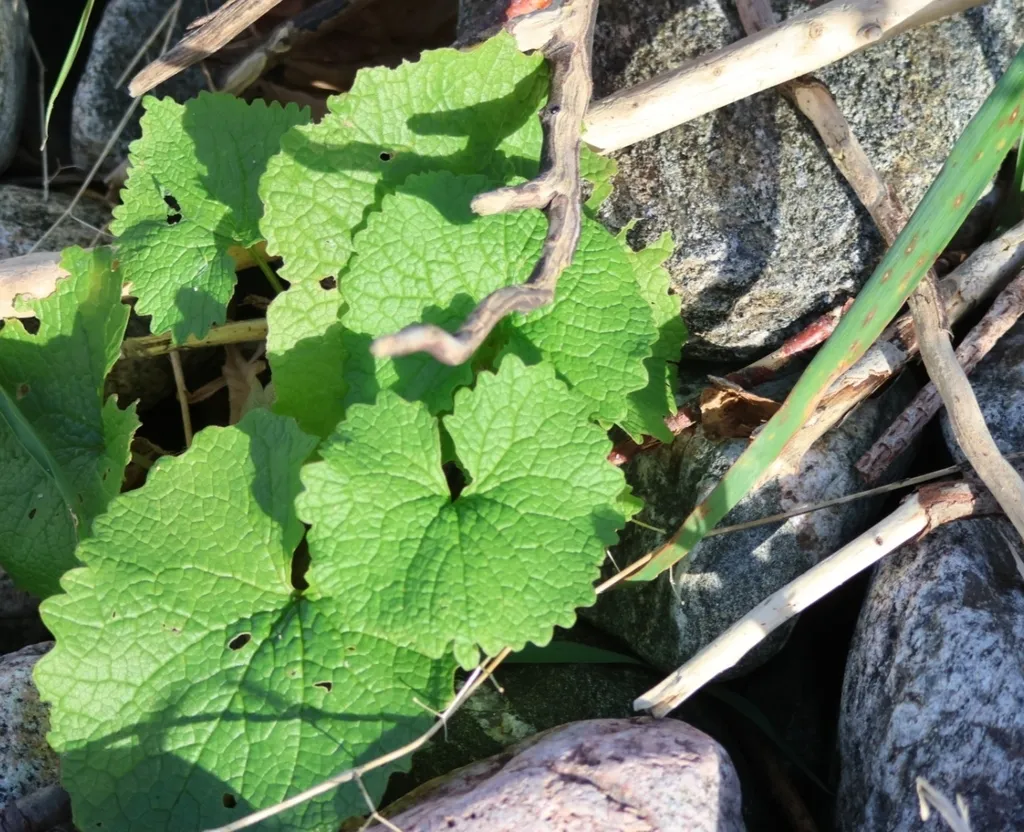
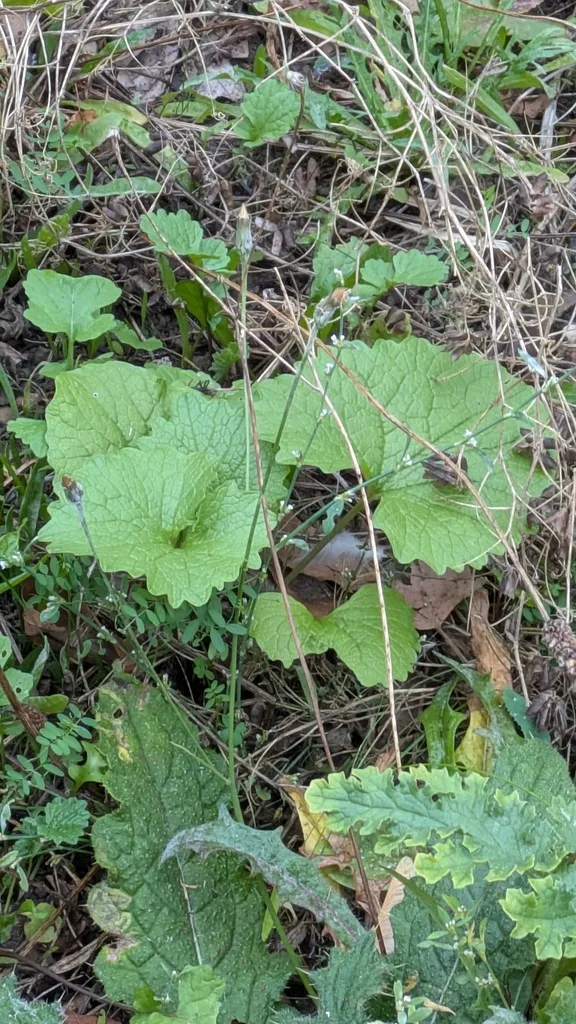
| Care difficulty | 2 / 5 |
|---|---|
| Watering schedule | Moderate regular watering, allowing brief slight drying between soakings |
| Sunlight requirements | Full shade · Partial shade |
| Ideal temperature | Information to be completed |
| Soil type | Chalk · Loam · Sand |
| Soil pH | Acid · Alkaline · Neutral |
| Soil moisture | Moist but well drained |
| Fertilizing | Balanced perennial feed every four weeks from spring through summer |
| Toxicity | Information to be completed |
How to Water garlic mustard?
Moderate regular watering, allowing brief slight drying between soakings
Learn more →What Are the Sunlight Requirements for garlic mustard?
Full shade · Partial shade
Learn more →What Soil Is Best for garlic mustard?
- Soil type
- Chalk · Loam · Sand
- Soil pH
- Acid · Alkaline · Neutral
What Are the Moisture Requirements for garlic mustard?
Moist but well drained
Learn more →How to Fertilize garlic mustard?

Balanced perennial feed every four weeks from spring through summer
Learn more →How to Prune garlic mustard?

No pruning required
Learn more →How to Propagate garlic mustard?

Propagate by seed as soon as ripe. If sowing in situ, it is best to sow in autumn as it requires a long period of chilling to break dormancy
Learn more →How to Plant garlic mustard?
Prefers a rich damp alluvial soil, thriving in damp shady places where few other herbs will grow. A good woodland-edge and hedgerow plant, the plant emits a strong smell of garlic which is especially pronounced if the leaves are bruised. This species is an important food source for the orange-tip and green-veined-white butterflies
Learn more →Common Pests & Diseases

Diseases
Generally trouble free
Pests
Susceptible to caterpillar damage
Explore the plant health library →