
garlic mustard
Also known as: Jack-by-the-hedge; garlic root; garlic wort; hedge garlic; hedge mustard; poor man's mustard; sauce-alone
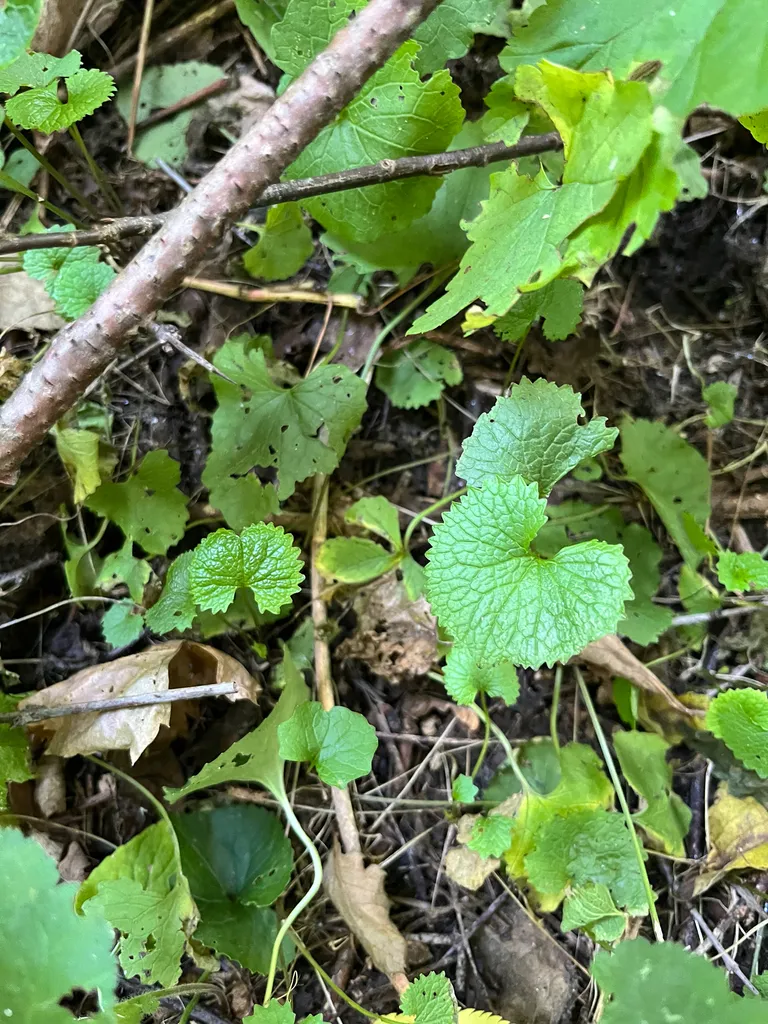
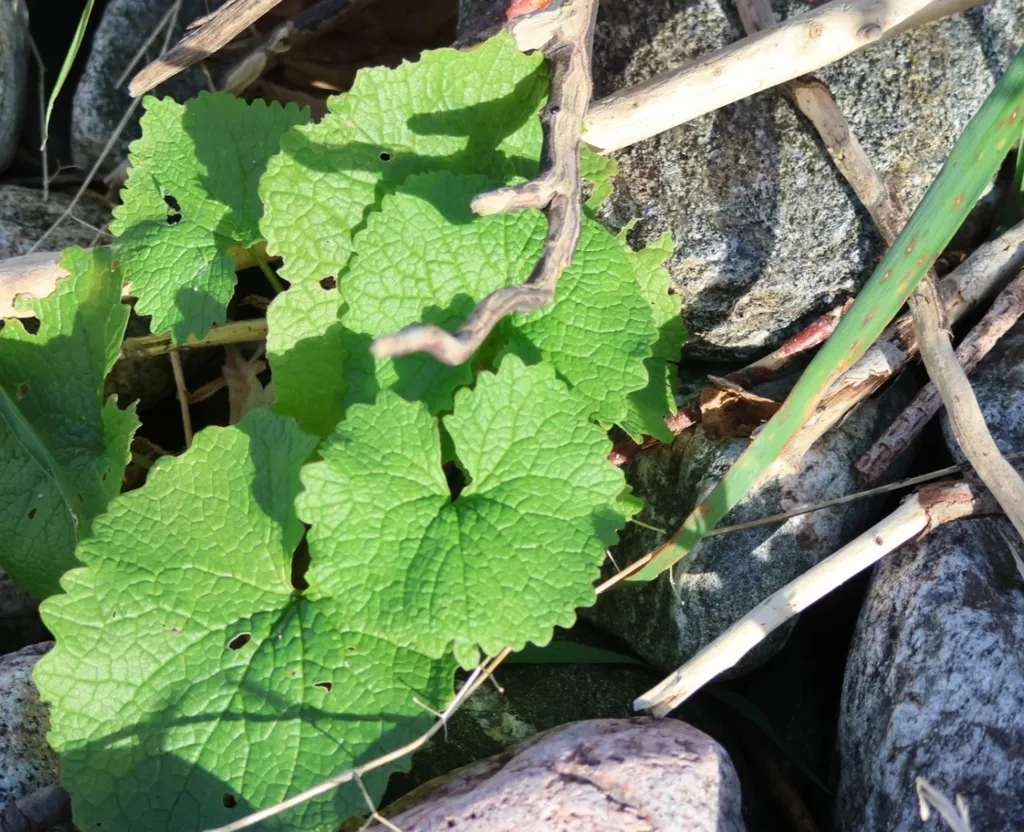
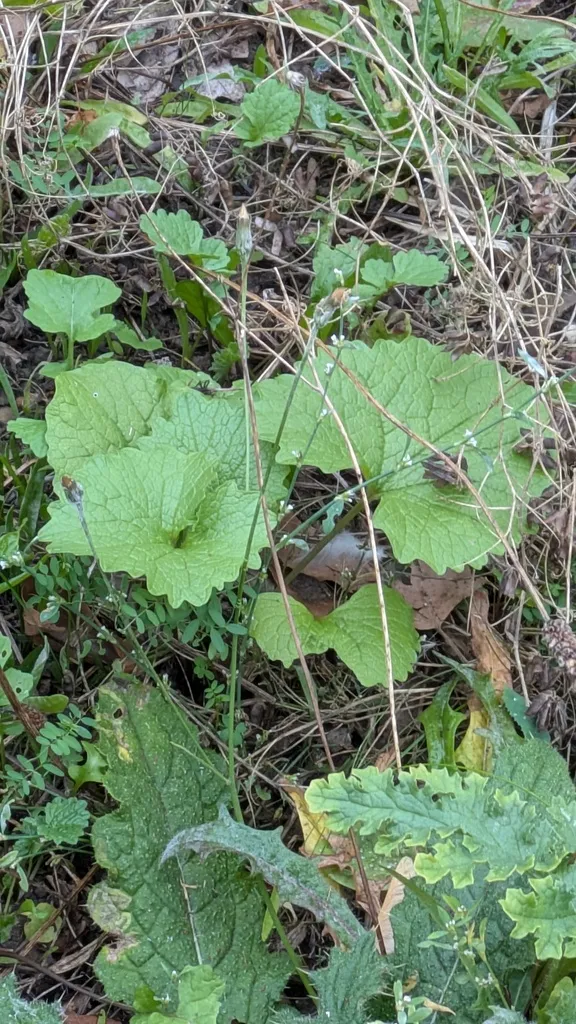
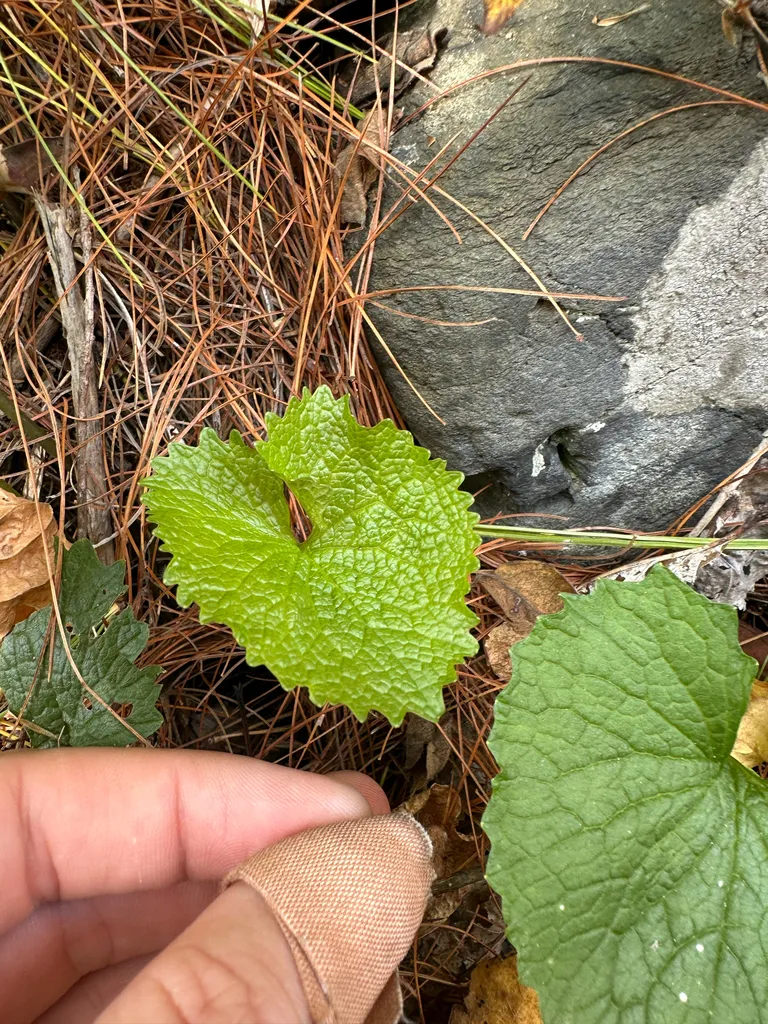
A hairy biennial herb, which can be variable in height; is usually unbranched and bears heart to kidney-shaped toothed green leaves that emit a pungent garlic odour especially when crushed. Flowers are white from 3-5mm in diameter and born in terminal clusters. Seed capsules are long and slender from 20-70mm in length
Scientific classification
- Species
- garlic mustard (Alliaria petiolata)
- Genus
- Alliaria
- Family
- Brassicaceae
- Information to be completed
- Toxicity
- Annual Biennial
- Plant type
- 0.5-1 metres
- Height
- 0.1-0.5 metres
- Spread
- Evergreen
- Foliage
- Bushy
- Habit
- Spring · Summer · Autumn · Winter
- Season of interest
- Full shade · Partial shade
- Sunlight
- Information to be completed
- Ideal temperature









garlic mustard pictures
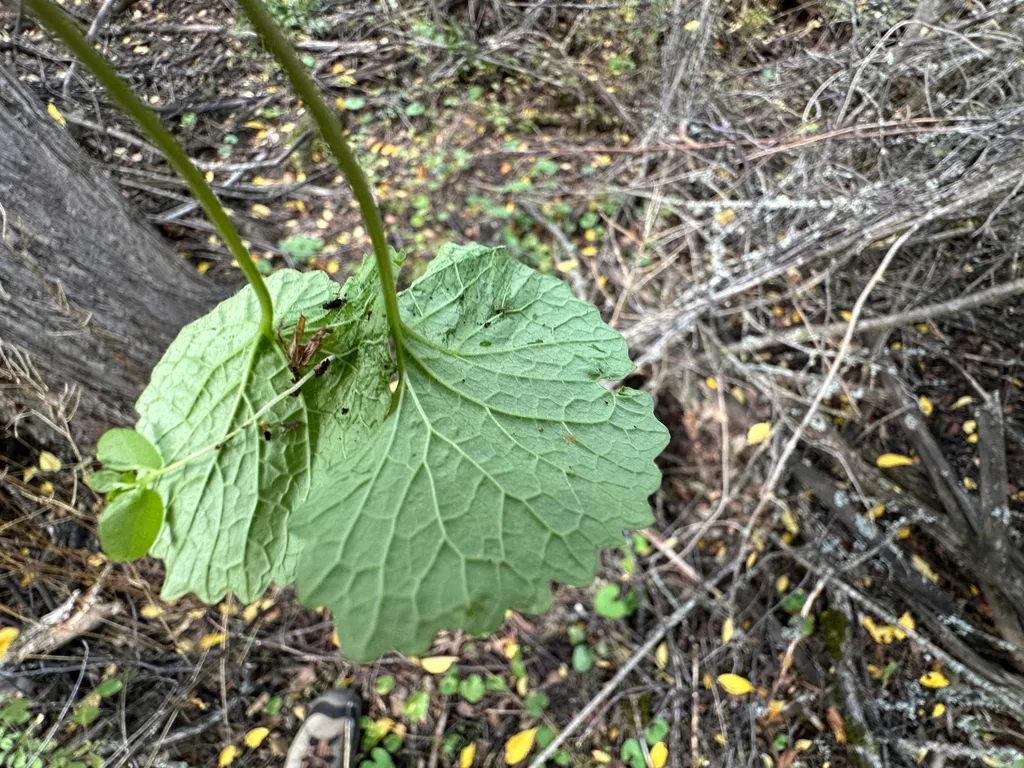
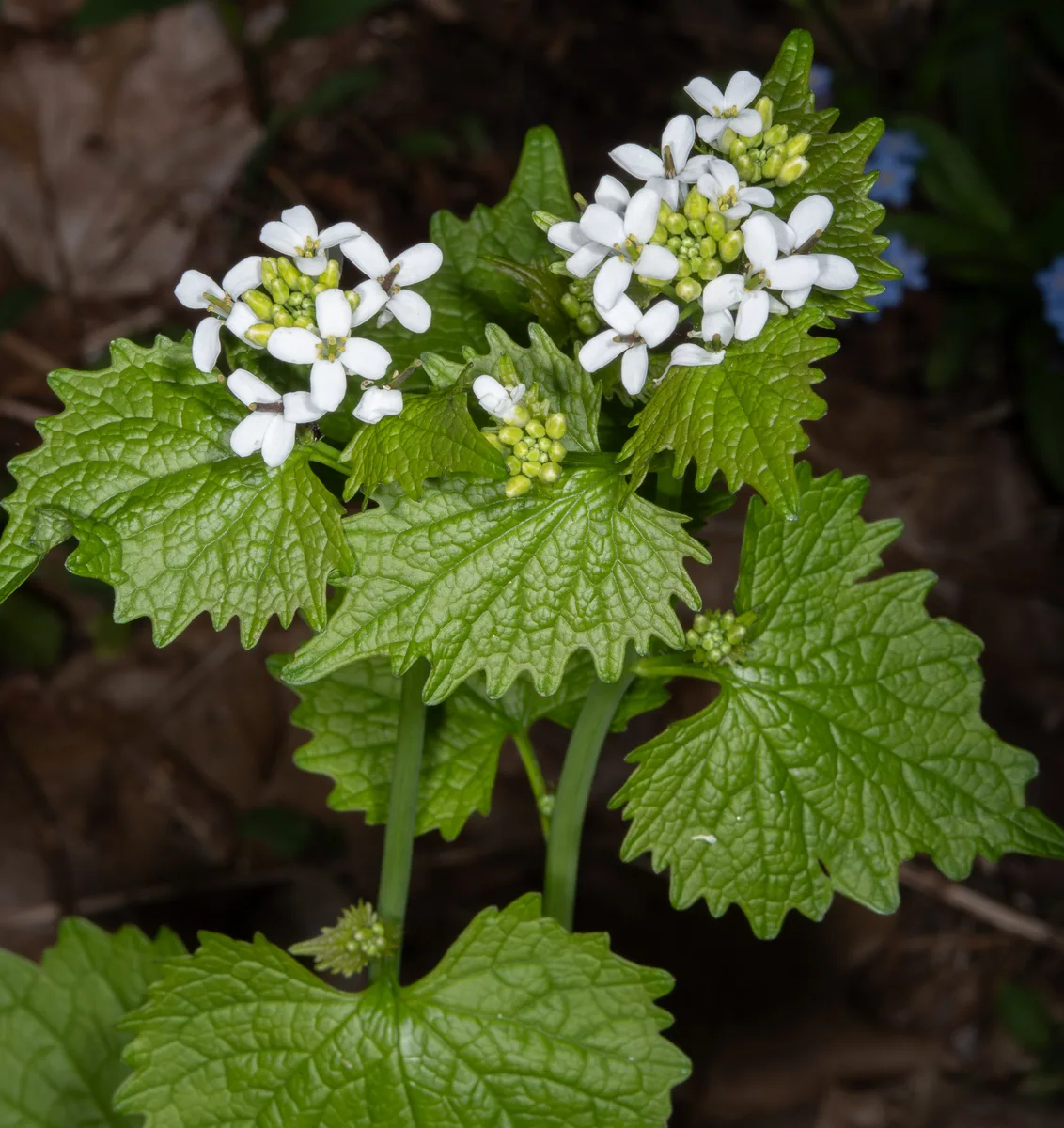
Distribution of garlic mustard
Distribution map
Information to be completed
Information to be completed
Culture
Information to be completed
Toxicity
Information to be completed
Quick identification of garlic mustard
Information to be completed
garlic mustard care guide
- Moderate regular watering, allowing brief slight drying between soakings
- Watering
- Full shade · Partial shade
- Sunlight
- Information to be completed
- Ideal temperature

Watering
Moderate regular watering, allowing brief slight drying between soakings
Fertilizing
 Fertilizing
Balanced perennial feed every four weeks from spring through summer
Pruning
 Pruning
No pruning required
Propagation
 Propagation
Propagate by seed as soon as ripe. If sowing in situ, it is best to sow in autumn as it requires a long period of chilling to break dormancy
Growing
 Growing
Prefers a rich damp alluvial soil, thriving in damp shady places where few other herbs will grow. A good woodland-edge and hedgerow plant, the plant emits a strong smell of garlic which is especially pronounced if the leaves are bruised. This species is an important food source for the orange-tip and green-veined-white butterflies
People also ask
Information to be completed
Common pests and diseases
Diseases
Generally trouble free
Pests
Susceptible to caterpillar damage
Explore the plant health library →




