



Planting and Growing Arabian coffee

| Care difficulty | 3 / 5 |
|---|---|
| Watering schedule | Water when top inch of soil feels dry |
| Sunlight requirements | Partial shade |
| Ideal temperature | 15 – 25 °C |
| Soil type | Loam |
| Soil pH | Acid · Neutral |
| Soil moisture | Moist but well drained |
| Fertilizing | Every 2 weeks during growing season |
| Toxicity | Information to be completed |
How to Water Arabian coffee?
Originating from the understory of tropical rainforests, arabian coffee thrives in environments with consistent moisture and high humidity. This species is accustomed to the steady rainfall of its native habitat, making it moderately drought-tolerant but with a preference for regular hydration. For optimal growth, arabian coffee should be watered once every 1-2 weeks, ensuring that the soil remains lightly moist but not waterlogged. As an evergreen plant commonly grown indoors due to its sensitivity to cold temperatures, arabian coffee benefits significantly from occasional misting to replicate the humid conditions of its natural setting.
Learn more →What Are the Sunlight Requirements for Arabian coffee?
The optimal light conditions for arabian coffee require partial sun, where they benefit from both sunlight and shade throughout the day. Though arabian coffee possesses tolerance to full sun and full shade, these extremes can impact growth, with too much sun potentially scorching leaves and excessive shade leading to weak growth. Adaptive traits such as leaf angle adjustments help arabian coffee maximize light absorption efficiently. When grown outdoors, arabian coffee thrives under the dappled canopy of taller trees, simulating its natural forest understorey habitat. For robust health and yield, placement should balance light exposure to align with arabian coffee's partial sun preference.
Learn more →What Is the Ideal Temperature Range for Arabian coffee?

Arabian coffee exhibits moderate resilience but is sensitive to temperature extremes. It tolerates temperatures as low as 5℃ (41℉) and as high as 43℃ (109℉). This range necessitates protective measures in cold and hot weather. In cold conditions, symptoms include leaf discoloration and reduced growth, while excessive heat can lead to wilting and leaf scorch. Countermeasures include using frost cloths or heat shields and ensuring adequate watering. Understanding these temperature tolerances is crucial for optimal care and placement in environments conducive to arabian coffee's growth.
Learn more →What Soil Is Best for Arabian coffee?
Arabian coffee thrives in well-drained soil, avoiding water-logging. A suitable mix can be made by blending equal parts potting mix, perlite, and organic matter like compost. If perlite is unavailable, sand can substitute for aeration. Ensure pots have holes. Occasionally, add a balanced, slow-release fertilizer to support growth, following product instructions for application rates and frequency.
- Soil type
- Loam
- Soil pH
- Acid · Neutral
What Are the Moisture Requirements for Arabian coffee?
Moist but well drained
Learn more →How to Fertilize Arabian coffee?

For arabian coffee, apply high nitrogen fertilizer monthly during growing season for robust growth & flowering. Use in moderation, following package instructions for quantity, to avoid root burn. Seasonal variations matter: reduced application in cooler months is key. Incorporate in moist soil and irrigate post-application for optimal nutrient absorption. For gardeners of all levels, precise dosing and consistent schedule ensure arabian coffee's vitality.
Learn more →How to Prune Arabian coffee?

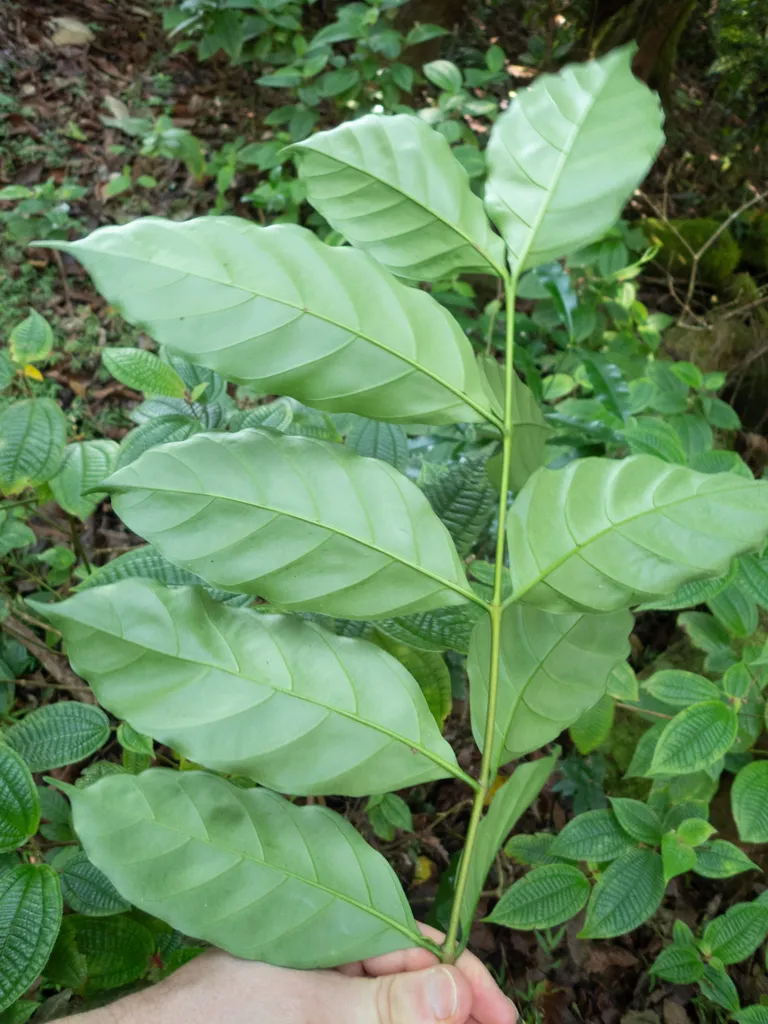
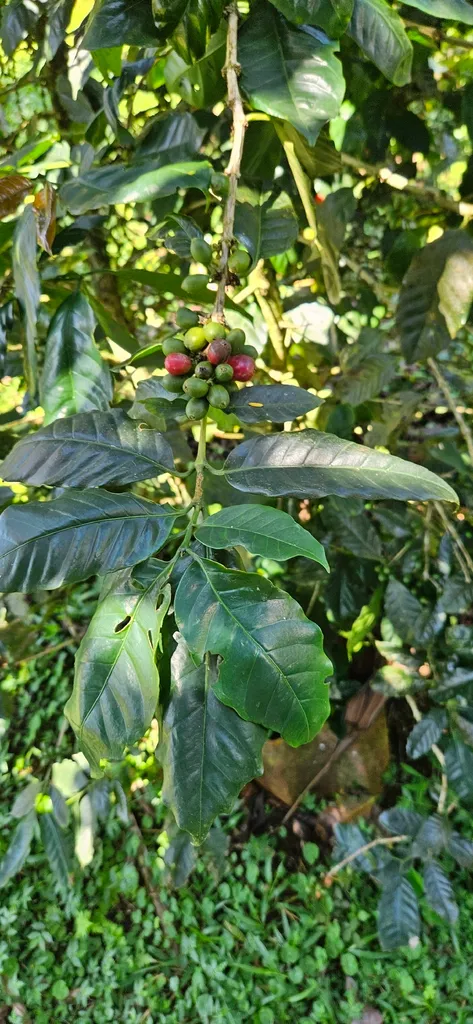
Arabian coffee is characterized by glossy, dark green leaves and fragrant white flowers, followed by red berries. Prune in early to late winter to encourage denser foliage and better air circulation. Remove dead or damaged branches first, then thin out overcrowded areas and shape the plant as desired. Regular pruning helps maintain size, promotes healthy growth, and improves berry production. Ensure tools are clean to prevent disease.
Learn more →How to Propagate Arabian coffee?

Arabian coffee propagates ideally during Spring and Summer using cuttings. This method may pose some difficulty. Signs of successful propagation are new leaf growth and root development. Ensure a consistent, warm temperature for improved success.
Learn more →How to Transplant Arabian coffee?
Ideally, transplant arabian coffee during early summer and late summer months, as these provide optimal growing conditions. Choose a location with well-draining soil and partial shade. Remember, gently tease the roots if pot bound and water well after transplanting.
Learn more →How to Care for Arabian coffee in Winter?

Arabian coffee originates from tropical highlands, offering natural resistance to brief cold snaps. It cherishes stable temperatures (15-24°C), despising frost. Its leaves may wither under extreme cold conditions. Gardeners should consider over-wintering it indoors, or ensuring heavy mulching and windbreaks in milder climates. Consistent watering and protection from harsh drafts will further aid in helping arabian coffee successfully over-winter.
Learn more →How to Plant Arabian coffee?
Indoors-potted: Ensure arabian coffee has space to grow; indoors it can flourish with ample room for its roots and branches. Outdoors-potted: Outdoor pots restrict arabian coffee's growth; choose a large container to allow for comfortable root development. Outdoors-in the ground: Arabian coffee thrives in mild climates but may struggle outdoors in colder regions, requiring protection from frost.
Learn more →How to Repot Arabian coffee?
Repot arabian coffee every 2-3 years, in the spring, to accommodate its steady growth. Ideal for a medium-sized pot that allows room for the root system. After repotting, place it in indirect light and maintain consistent moisture without over-watering. Ensure the pot has adequate drainage. Careful attention to these details will ensure arabian coffee's lush foliage and potential flowering.
Learn more →How to Harvest Arabian coffee?

Typically, arabian coffee has only one major harvest per year, usually during the cooler, dry season. The harvest season can last for two to four months, and sometimes up to six months as the fruits ripen. There are several methods for harvesting this plant, but the best options for home growers are manual harvesting by hand, including both strip picking and selective picking.
Learn more →Common Pests & Diseases

Diseases
High Risk Host for Xylella fastidiosa
Pests
May be susceptible to glasshouse red spider mite
Explore the plant health library →Troubleshooting
Interveinal Yellowing (Chlorosis) or Brown Leaf Tips
Arabian coffee (Coffea arabica) prefers slightly acidic, humus-rich, well-drained soil and moderate-to-high humidity; alkaline water or soggy roots trigger leaf yellowing.
| What you notice | Possible explanation | What to check next |
|---|---|---|
| New upper leaves turn yellow while leaf veins remain dark green | Iron or micronutrient chlorosis caused by high soil pH (alkaline soil/hard tap water) or cold wet roots | Check soil/water alkalinity and whether yellowing is strongest on newest leaves |
| Older lower leaves turn uniformly yellow and drop while potting mix stays wet | Overwatering, poor drainage, or cold drafts damaging roots | Feel two inches into the mix and inspect drainage holes |
| Leaf tips and edges turn dry and brown in indoor rooms | Low indoor humidity, dry heating vents, or soluble salt buildup | Check room humidity and look for white mineral crust on the soil surface |
- Grow in a well-draining, slightly acidic organic potting mix and water with rainwater or filtered water when the top inch of soil feels dry.
- If interveinal chlorosis appears on new growth, check soil pH and apply a chelated iron or acid-loving plant fertilizer per label directions during active growth.
- Increase local humidity with a pebble tray or humidifier and keep away from cold drafts below 10–15°C (50–59°F).
Stop fertilizing chlorotic plants until root drainage and soil pH are verified, as excess salts worsen root burn.
Bud Drop, Poor Blooming, or Whiteflies/Scale/Sooty Mold
Flower bud drop and sap-sucking pests are common when indoor humidity fluctuates or air movement is limited.
| What you notice | Possible explanation | What to check next |
|---|---|---|
| Slow indoor growth with no fragrant white flowers | Young plant age (Coffea arabica typically takes 3–5 years to mature) or insufficient bright filtered light | Check plant maturity and daily light intensity |
| Sticky honeydew, black sooty mold coating leaves, or whiteflies/scale/spider mites on undersides | Whiteflies, scale insects, mealybugs, or spider mites | Inspect leaf undersides and stems closely |
- Place in bright, indirect light (or gentle morning sun) and maintain steady soil moisture and humidity without moving the plant abruptly once budded.
- Prune lightly after flowering to shape and promote new flowering shoots; note that Coffea arabica fruits only on mature multi-year plants.
- Isolate pest-infested plants, wipe off honeydew/sooty mold with a damp cloth, and apply insecticidal soap or horticultural oil per label directions.
Keep Arabian coffee (Coffea arabica) out of reach of pets, as ingestion causes toxicity in cats and dogs.