
Arabian coffee
Also known as: arabica coffee; coffee
An evergreen shrub or tree to 8m, with opposite pairs of glossy, dark green leaves. Once plants are about 4 years old, small, white, fragrant flowers are produced in the leaf axils in summer; these are followed by green fruits that ripen over several months to red "cherries". Each fruit contains two seeds (coffee beans) and under ideal conditions it should be possible to harvest enough for a cup of home-grown coffee
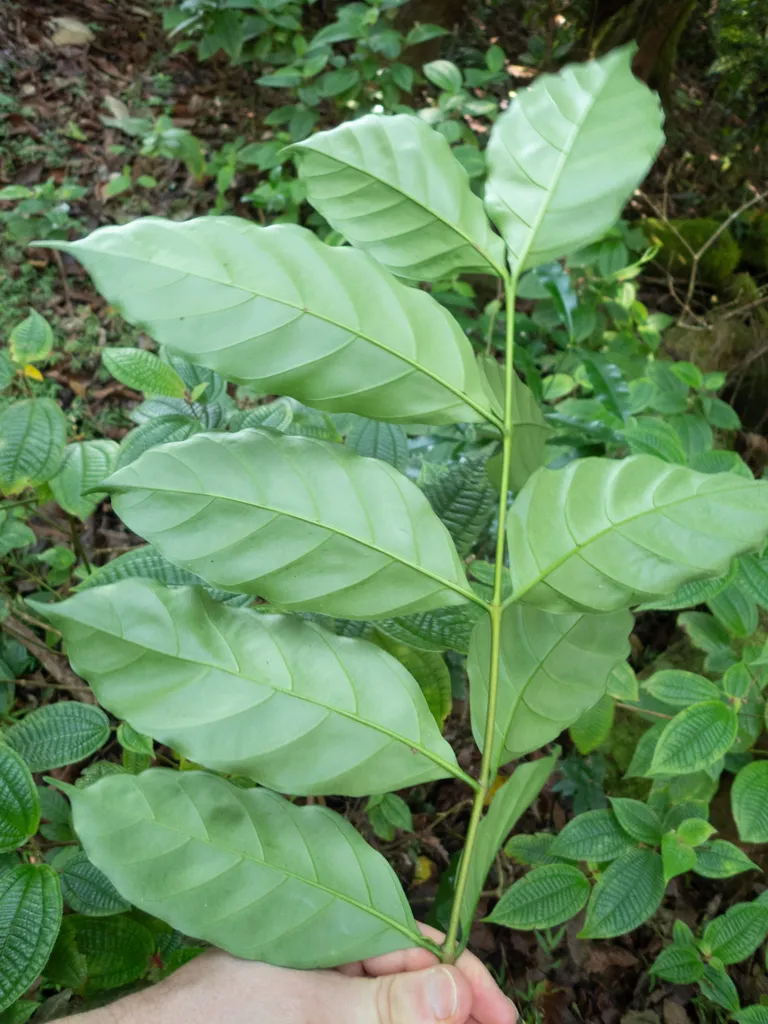
Scientific classification
- Species
- Arabian coffee (Coffea arabica)
- Genus
- Coffea
- Family
- Rubiaceae
- Order
- Gentianales
- Class
- Magnoliopsida
- Phylum
- Tracheophyta
- Information to be completed
- Toxicity
- Shrubs · Trees
- Plant type
- 4-8 metres
- Height
- 2.5-4 metres
- Spread
- Evergreen
- Foliage
- Bushy
- Habit
- Spring · Summer · Autumn · Winter
- Season of interest
- Partial shade
- Sunlight
- 15 – 25 °C
- Ideal temperature









Arabian coffee pictures
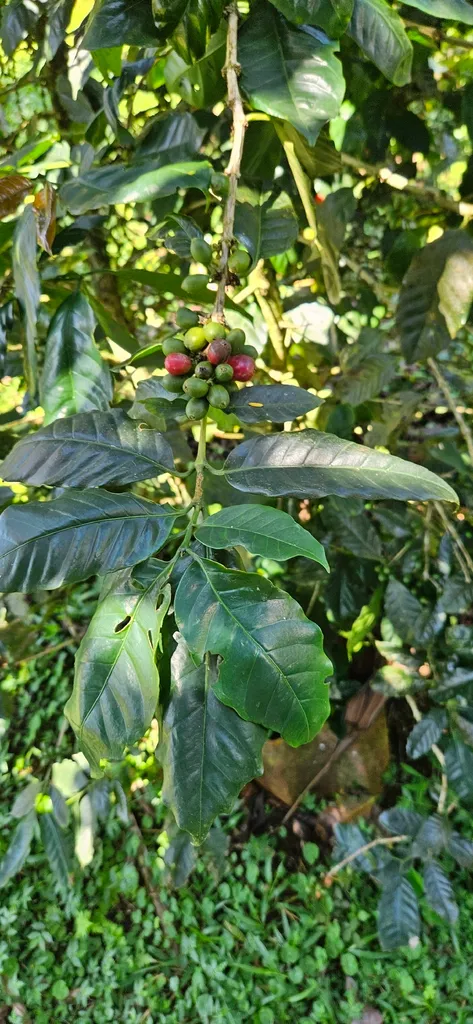
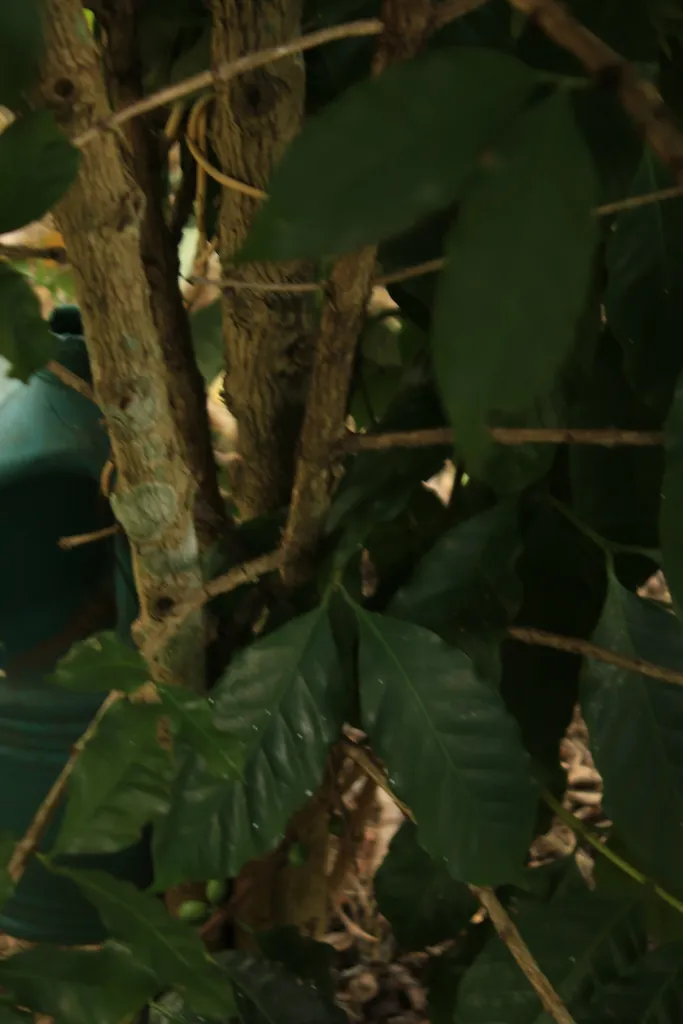
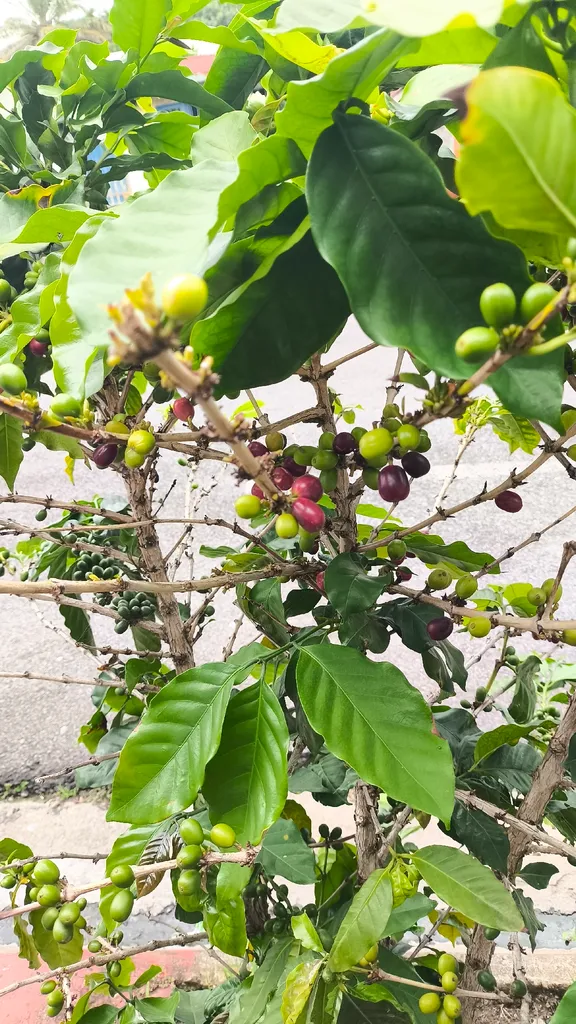
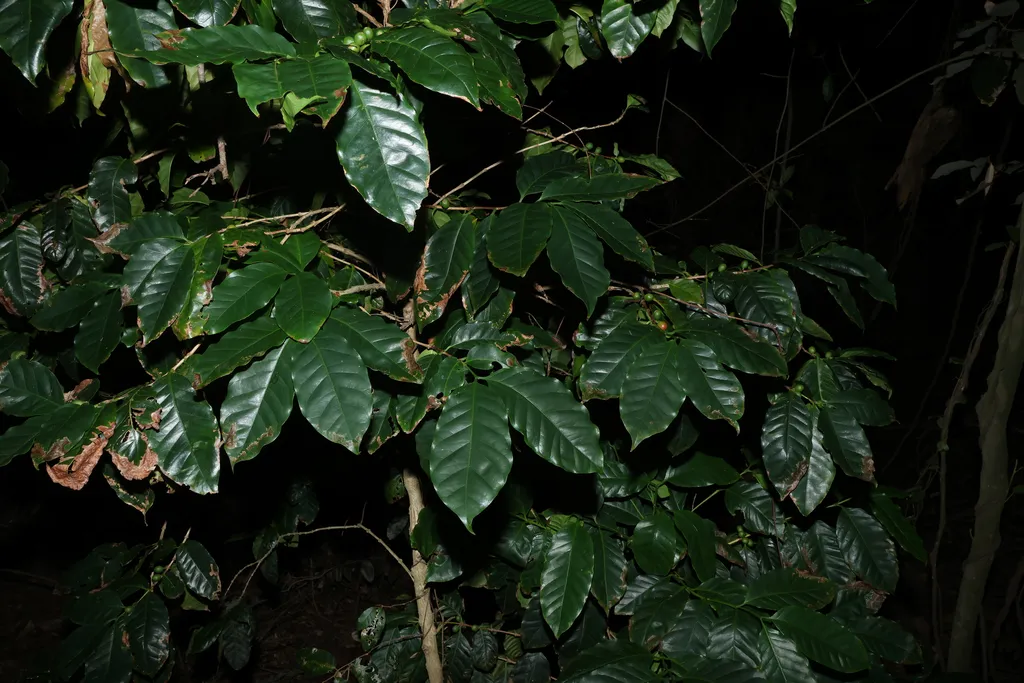
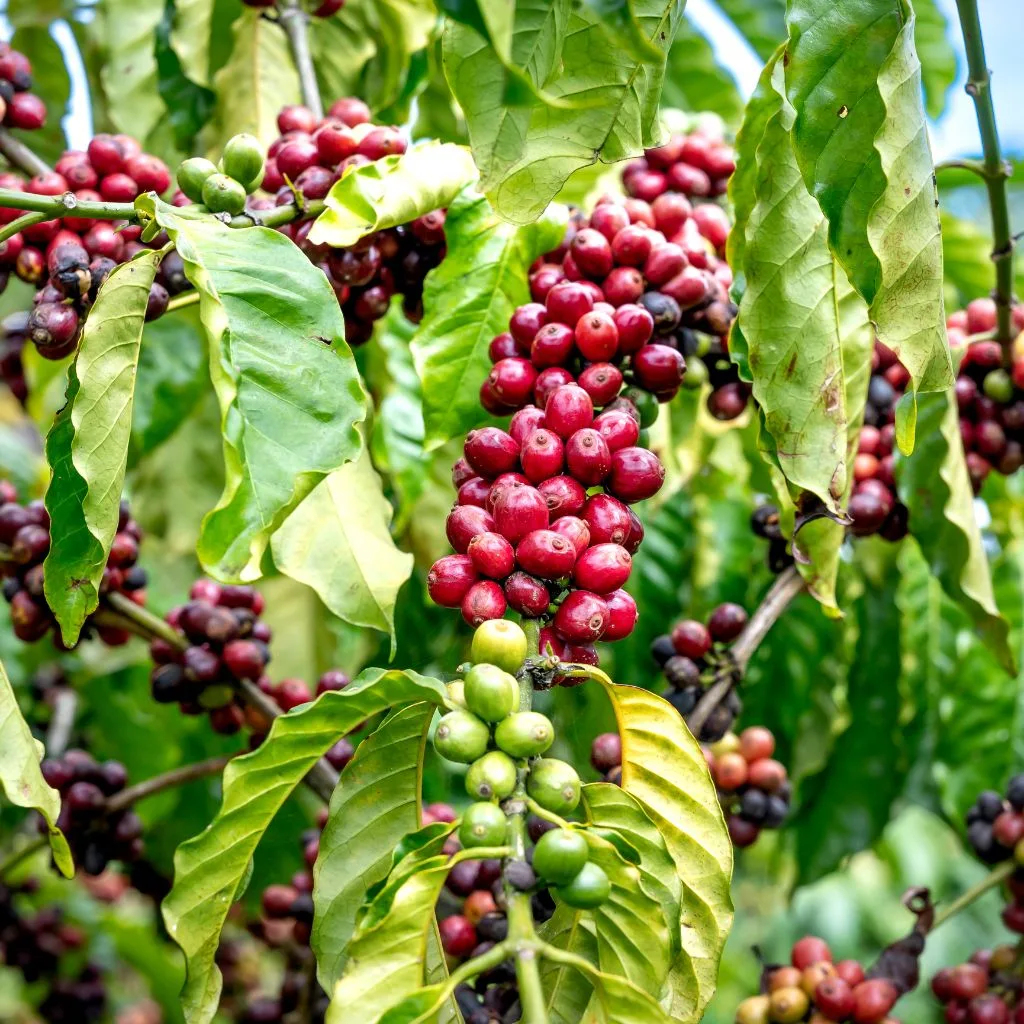
Distribution of Arabian coffee
Distribution map
- Native
- Introduced
- Cultivated
Source:WCVP v16 · Royal Botanic Gardens, Kew · CC BY 3.0 · Boundaries:WGSRPD / TDWG
Arabian coffee care guide
- Water when top inch of soil feels dry
- Watering
- Partial shade
- Sunlight
- 15 – 25 °C
- Ideal temperature

Watering
Water when top inch of soil feels dry
Fertilizing
 Fertilizing
Every 2 weeks during growing season
Pruning
 Pruning
May require restrictive pruning under glass
Propagation
 Propagation
Propagate by sowing fresh seed. Germination may be erratic
Growing
 Growing
Under glass grow in loam-based potting compost with added extra organic matter. Provide moderate to high humidity and protect from draughts. Water freely during the growing season and apply a balanced liquid feed every two weeks; water moderately in winter. Repot every 2-3 years in spring
Common pests and diseases
Diseases
High Risk Host for Xylella fastidiosa
Pests
May be susceptible to glasshouse red spider mite
Explore the plant health library →




