



Planting and Growing Colchicum bivonae

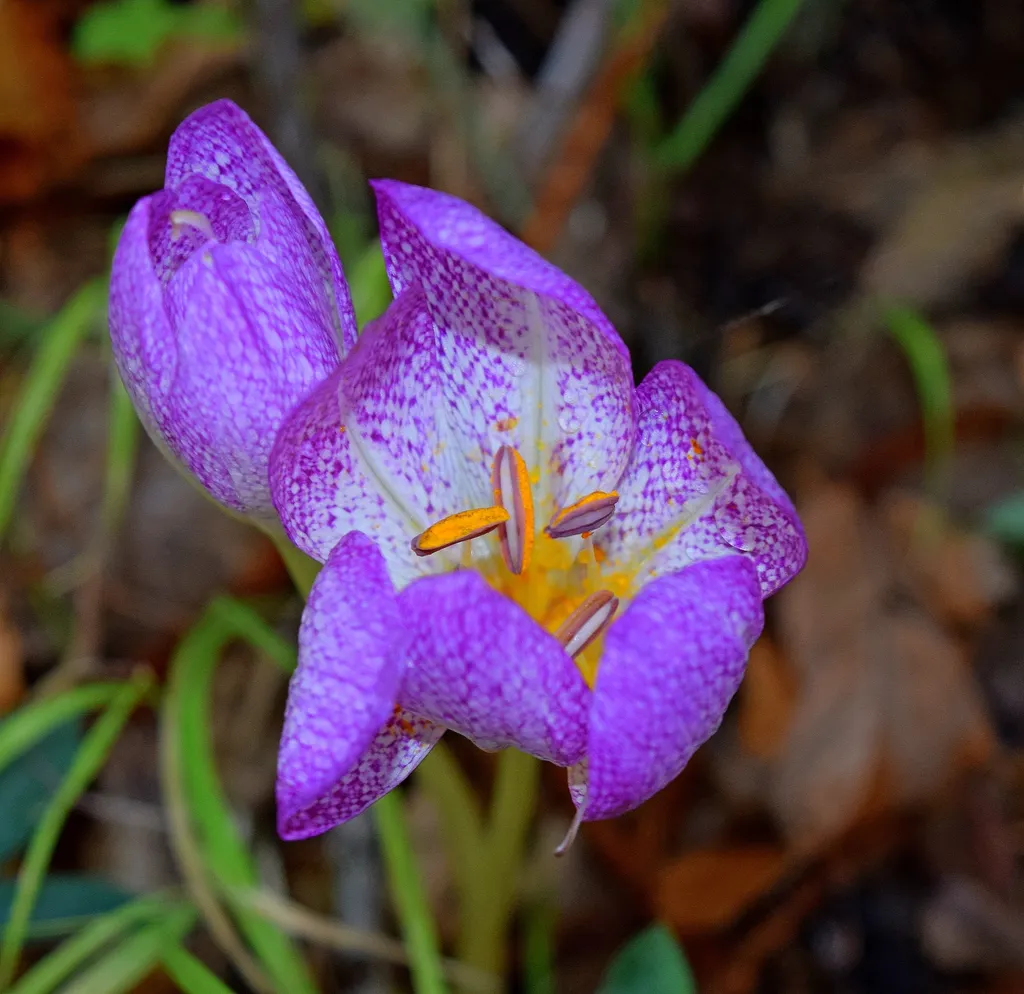
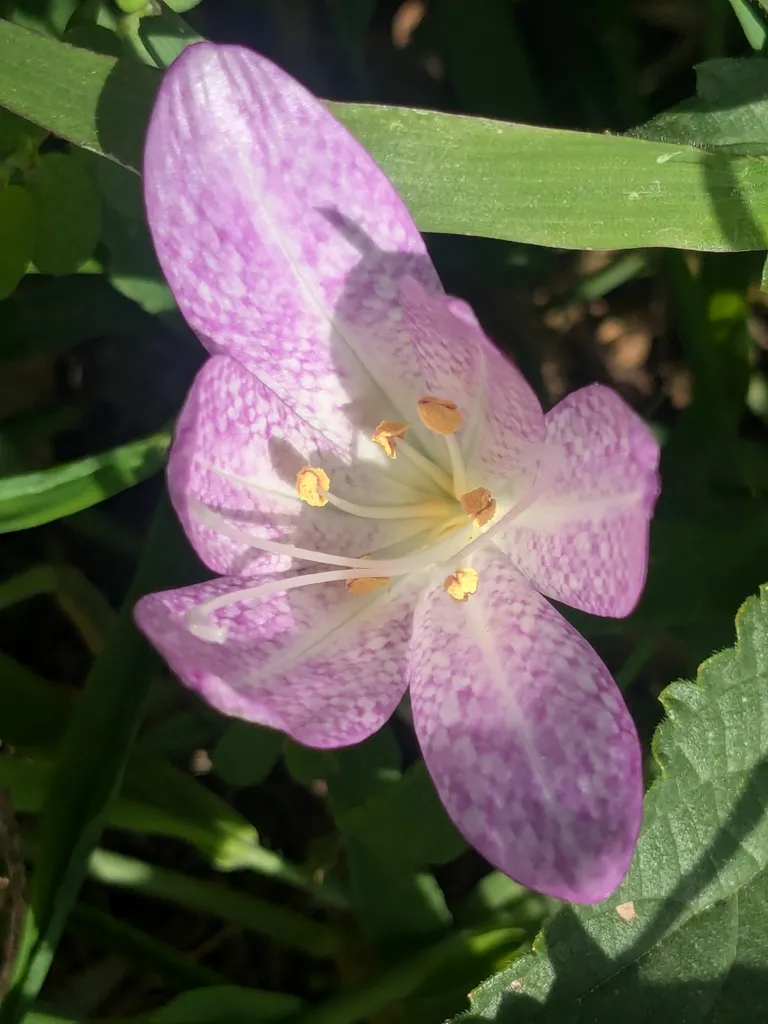
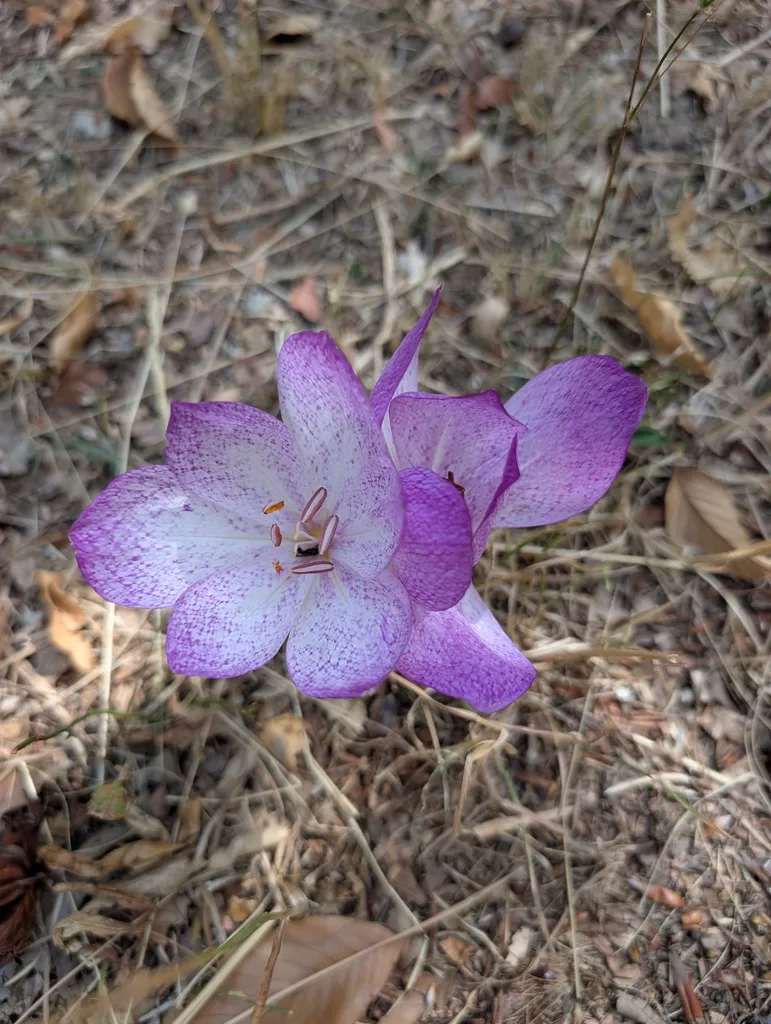
| Care difficulty | 2 / 5 |
|---|---|
| Watering schedule | Moderate regular watering, avoid prolonged drought or waterlogging |
| Sunlight requirements | Full sun |
| Ideal temperature | Information to be completed |
| Soil type | Chalk · Loam · Sand |
| Soil pH | Acid · Alkaline · Neutral |
| Soil moisture | Moist but well drained |
| Fertilizing | Balanced feed in spring and light repeat in growth season |
| Toxicity | TOXIC if eaten. Wear gloves and other protective equipment when handling |
How to Water Colchicum bivonae?
Moderate regular watering, avoid prolonged drought or waterlogging
Learn more →What Are the Sunlight Requirements for Colchicum bivonae?
Full sun
Learn more →What Is the Ideal Temperature Range for Colchicum bivonae?

Information to be completed
Learn more →What Soil Is Best for Colchicum bivonae?
- Soil type
- Chalk · Loam · Sand
- Soil pH
- Acid · Alkaline · Neutral
What Are the Moisture Requirements for Colchicum bivonae?
Moist but well drained
Learn more →How to Fertilize Colchicum bivonae?

Balanced feed in spring and light repeat in growth season
Learn more →How to Prune Colchicum bivonae?

None required
Learn more →How to Propagate Colchicum bivonae?

Propagate by seed, sown in containers in an open frame as soon as it is ripe, or by removing cormlets when dormant in summer; for more advice, see bulb propagation
Learn more →How to Transplant Colchicum bivonae?
Information to be completed
Learn more →How to Care for Colchicum bivonae in Winter?

Information to be completed
Learn more →How to Plant Colchicum bivonae?
Using gloves to handle corms, plant 10cm deep in summer or early autumn in deep, fertile and well-drained but reasonably moist soil in an open site in full sun; for more advice, see bulb cultivation
Learn more →How to Repot Colchicum bivonae?
Information to be completed
Learn more →How to Harvest Colchicum bivonae?

Information to be completed
Learn more →Common Pests & Diseases

Diseases
May be affected by grey moulds (Botrytis), smuts, and tulip grey bulb rot
Pests
May be susceptible to slugs
Explore the plant health library →The Toxicity of Colchicum bivonae
TOXIC if eaten. Wear gloves and other protective equipment when handling