
Colchicum bivonae
Also known as: Information to be completed
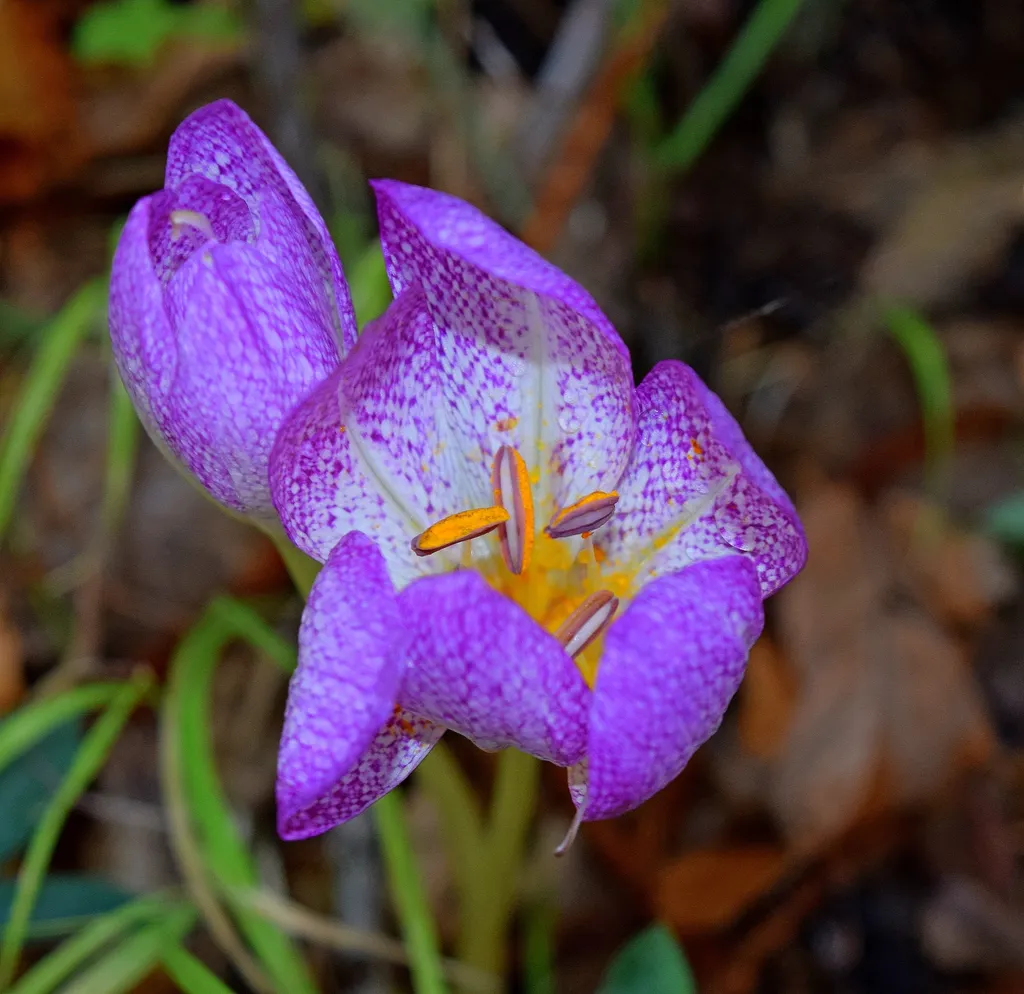
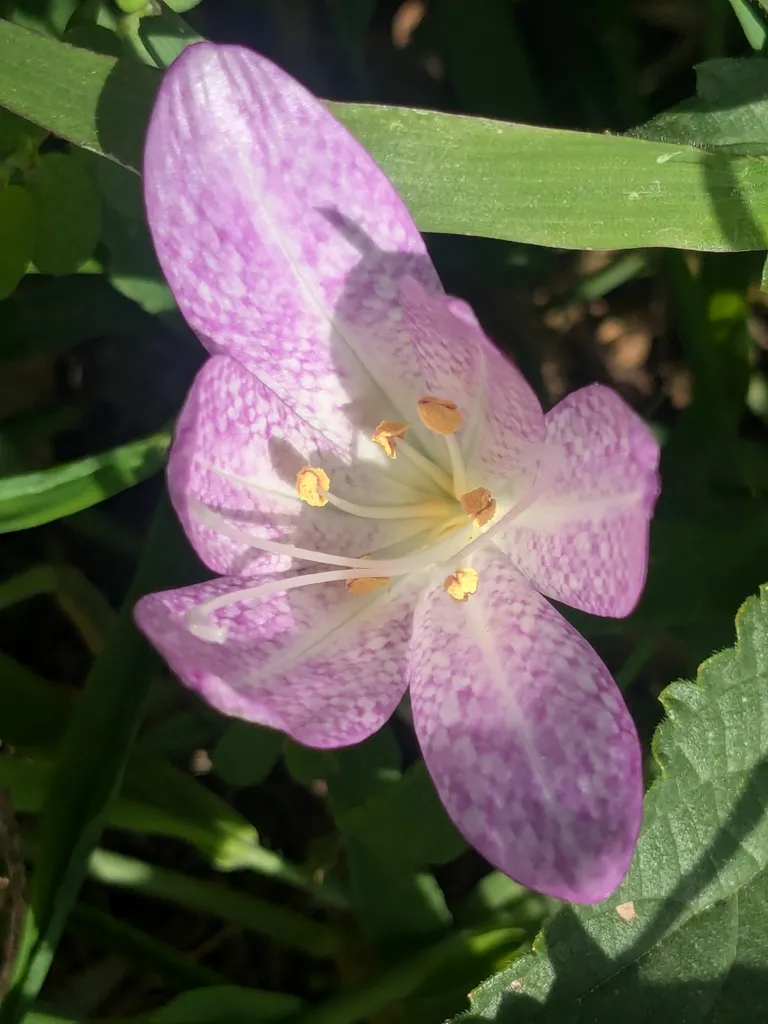
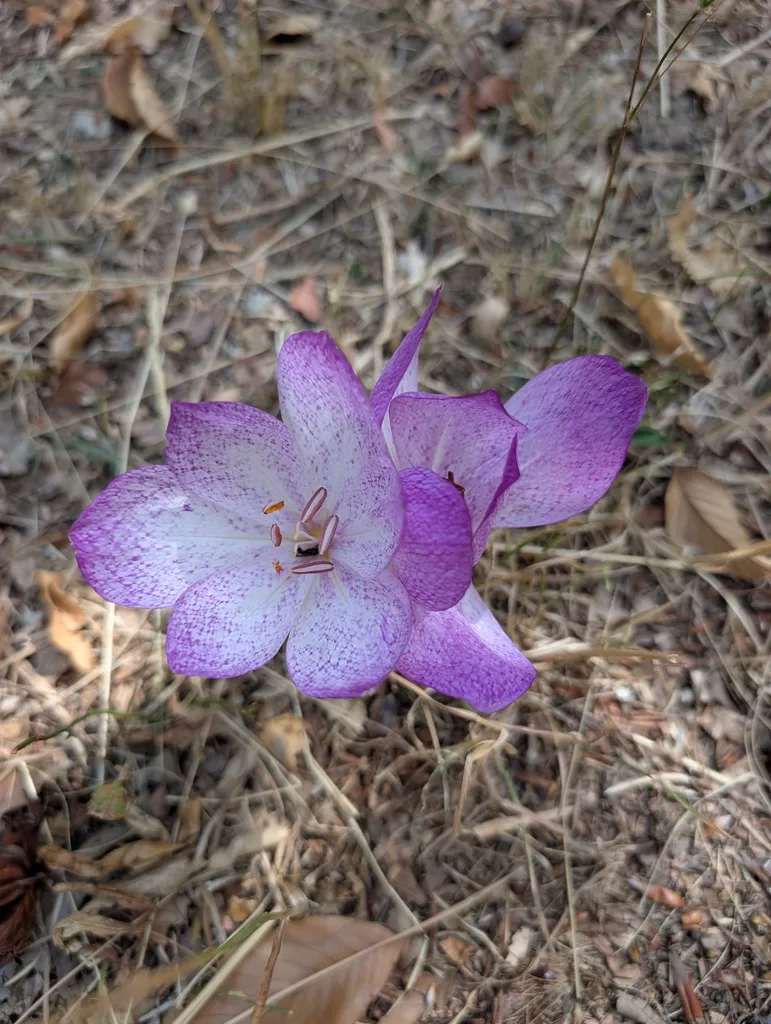
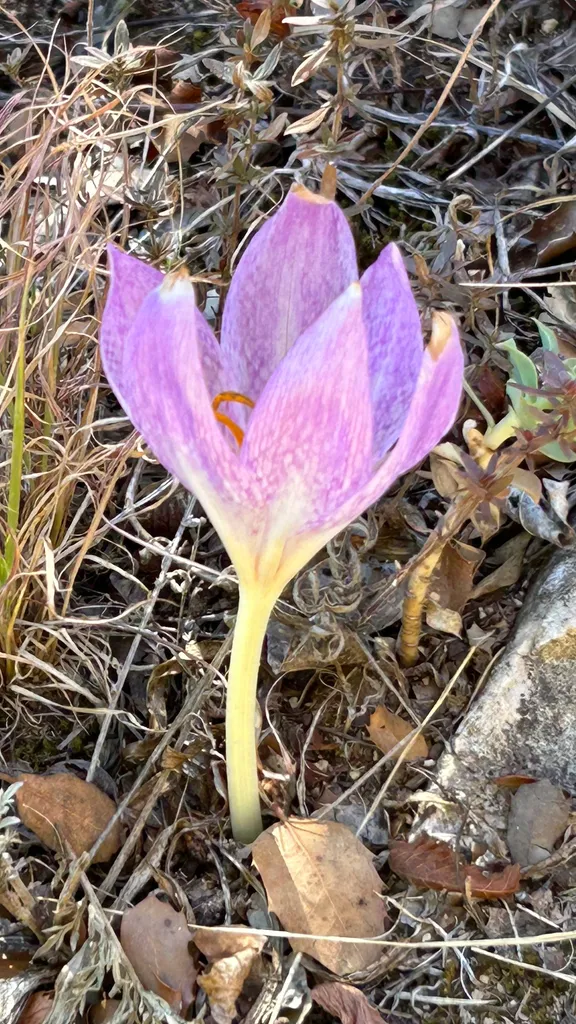
A cormous perennial to 15cm high with semi-erect, narrowly ovate leaves from winter to spring. Bowl-shaped, lightly fragrant, pinkish-purple flowers, often with whitish centres,are borne in autumn;tepals which may be have pointed or rounded ends are heavily chequered
Scientific classification
- Species
- Colchicum bivonae (Colchicum bivonae)
- Genus
- Colchicum
- Family
- Colchicaceae
- TOXIC if eaten. Wear gloves and other protective equipment when handling
- Toxicity
- Bulbs
- Plant type
- 0.1-0.5 metres
- Height
- 0.1-0.5 metres
- Spread
- Deciduous
- Foliage
- Information to be completed
- Habit
- Spring · Winter · Autumn
- Season of interest
- Full sun
- Sunlight
- Information to be completed
- Ideal temperature









Colchicum bivonae pictures
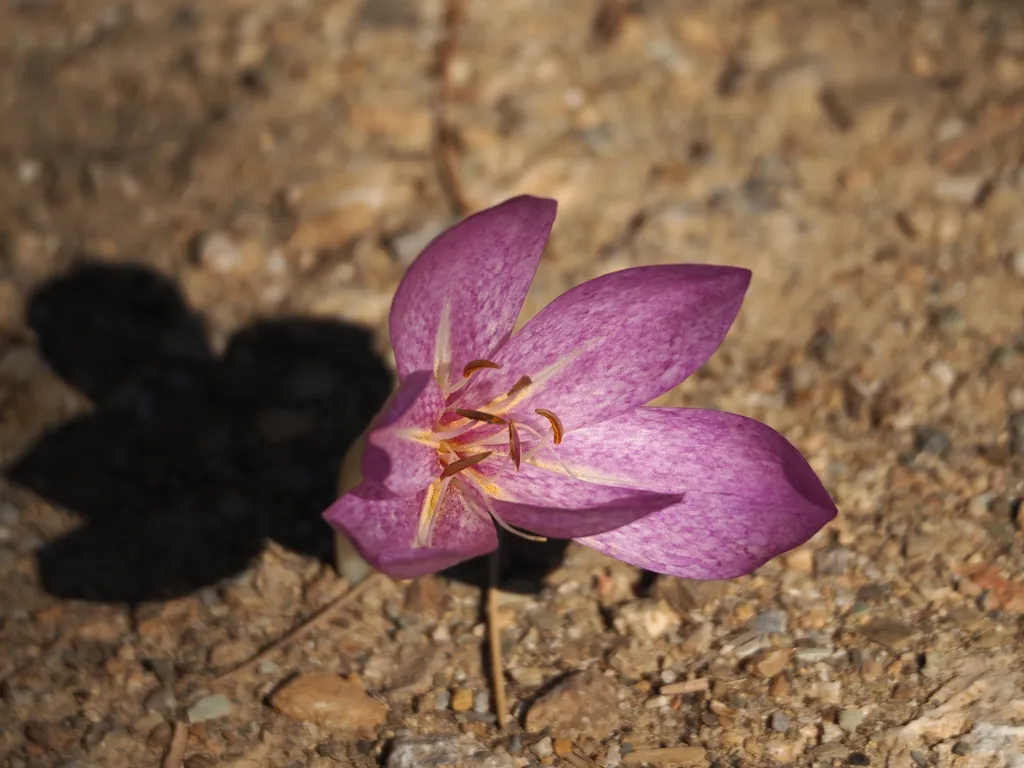
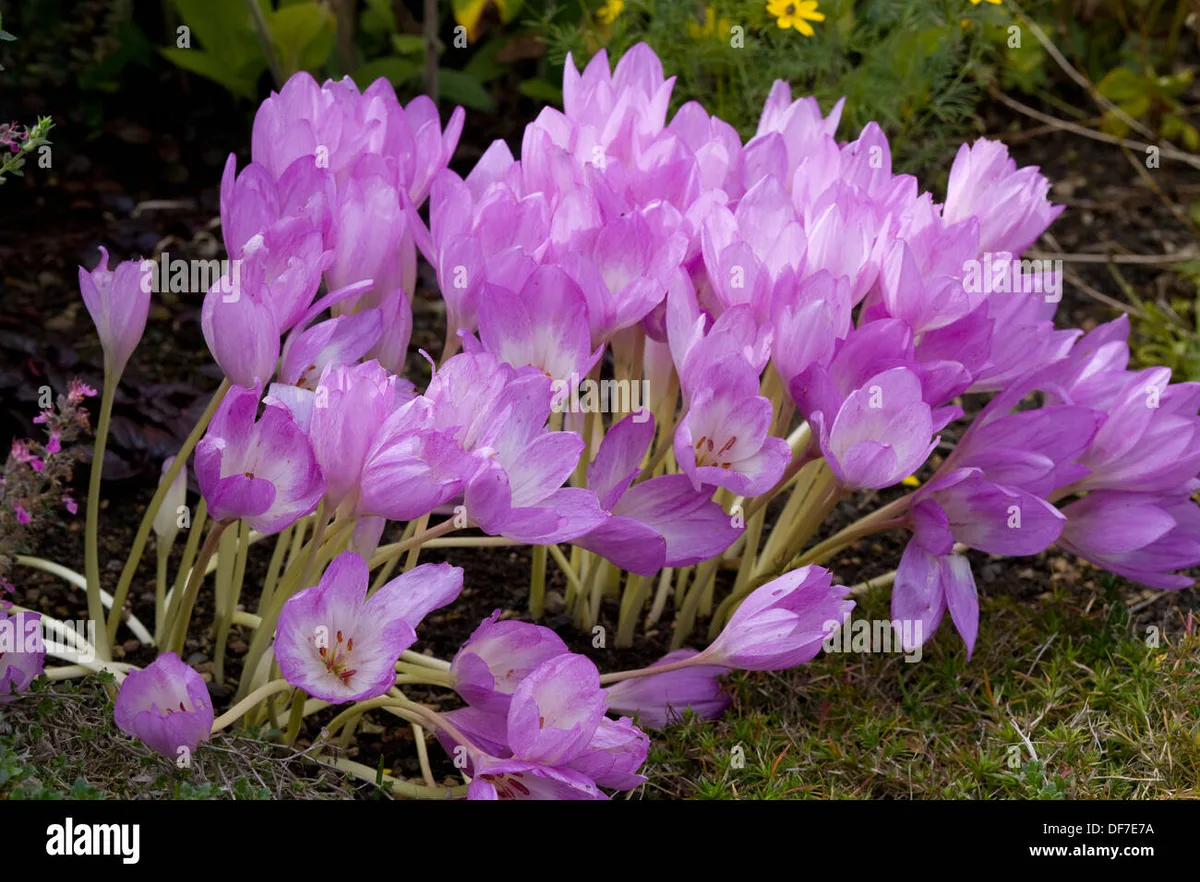
Distribution of Colchicum bivonae
Distribution map
Southern Europe
Information to be completed
Culture
Information to be completed
Toxicity
TOXIC if eaten. Wear gloves and other protective equipment when handling
Quick identification of Colchicum bivonae
Information to be completed
Colchicum bivonae care guide
- Moderate regular watering, avoid prolonged drought or waterlogging
- Watering
- Full sun
- Sunlight
- Information to be completed
- Ideal temperature

Watering
Moderate regular watering, avoid prolonged drought or waterlogging
Fertilizing
 Fertilizing
Balanced feed in spring and light repeat in growth season
Pruning
 Pruning
None required
Propagation
 Propagation
Propagate by seed, sown in containers in an open frame as soon as it is ripe, or by removing cormlets when dormant in summer; for more advice, see bulb propagation
Growing
 Growing
Using gloves to handle corms, plant 10cm deep in summer or early autumn in deep, fertile and well-drained but reasonably moist soil in an open site in full sun; for more advice, see bulb cultivation
People also ask
Information to be completed
Common pests and diseases
Diseases
May be affected by grey moulds (Botrytis), smuts, and tulip grey bulb rot
Pests
May be susceptible to slugs
Explore the plant health library →




