



Planting and Growing apple 'Kingston Black'

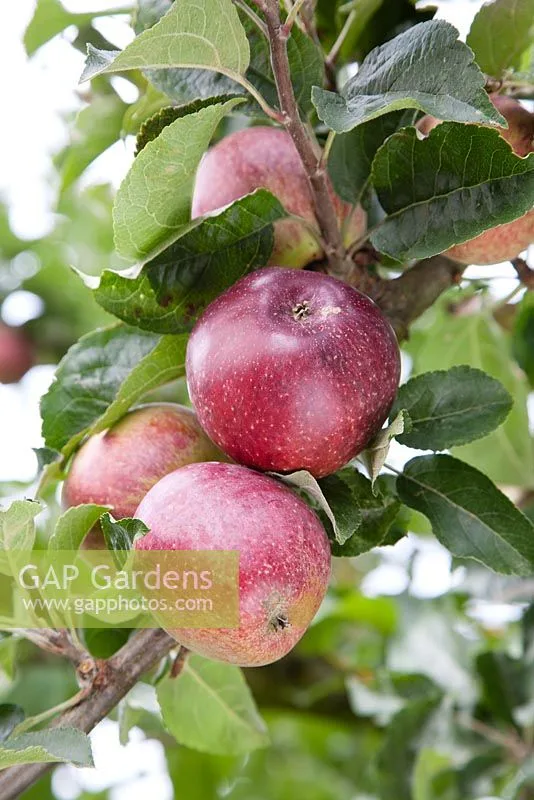
| Care difficulty | 2 / 5 |
|---|---|
| Watering schedule | Deep watering during dry spells, let surface soil partly dry between sessions |
| Sunlight requirements | Full sun |
| Ideal temperature | Information to be completed |
| Soil type | Clay · Loam · Sand |
| Soil pH | Acid · Alkaline · Neutral |
| Soil moisture | Moist but well drained · Well drained |
| Fertilizing | Balanced tree feed applied once every early spring growth cycle |
| Toxicity | Information to be completed |
How to Water apple 'Kingston Black'?
Deep watering during dry spells, let surface soil partly dry between sessions
Learn more →What Are the Sunlight Requirements for apple 'Kingston Black'?
Full sun
Learn more →What Soil Is Best for apple 'Kingston Black'?
- Soil type
- Clay · Loam · Sand
- Soil pH
- Acid · Alkaline · Neutral
What Are the Moisture Requirements for apple 'Kingston Black'?
Moist but well drained · Well drained
Learn more →How to Fertilize apple 'Kingston Black'?

Balanced tree feed applied once every early spring growth cycle
Learn more →How to Prune apple 'Kingston Black'?

Little pruning is needed. Remove diseased, damaged, crowded or crossing shoots and unwanted growth. Timing depends on the plant: generally late winter or early spring; plants prone to bleeding and deciduous magnolias need different timing, and deciduous azaleas and lilacs are pruned after flowering.
Learn more →How to Propagate apple 'Kingston Black'?

Propagate by grafting in midwinter or budding in late summer. Fruit grown from pips will not resemble the parent
Learn more →How to Plant apple 'Kingston Black'?
Is more tolerant than eating apples, but still prefers a deep, fertile, moist but well-drained, neutral soil in a sheltered, sunny position. Will not thrive on very acid soils, shallow chalk soils or with shade for more than half the day. See apple cultivation
Learn more →Common Pests & Diseases

Diseases
May be susceptible to apple canker, apple scab, blossom wilt, brown rot, fireblight, honey fungus and powdery mildews
Pests
May be susceptible to aphids, including woolly aphid and rosy apple aphid, fruit tree red spider mite, codling moth and other caterpillars
Explore the plant health library →