



Planting and Growing crab apple

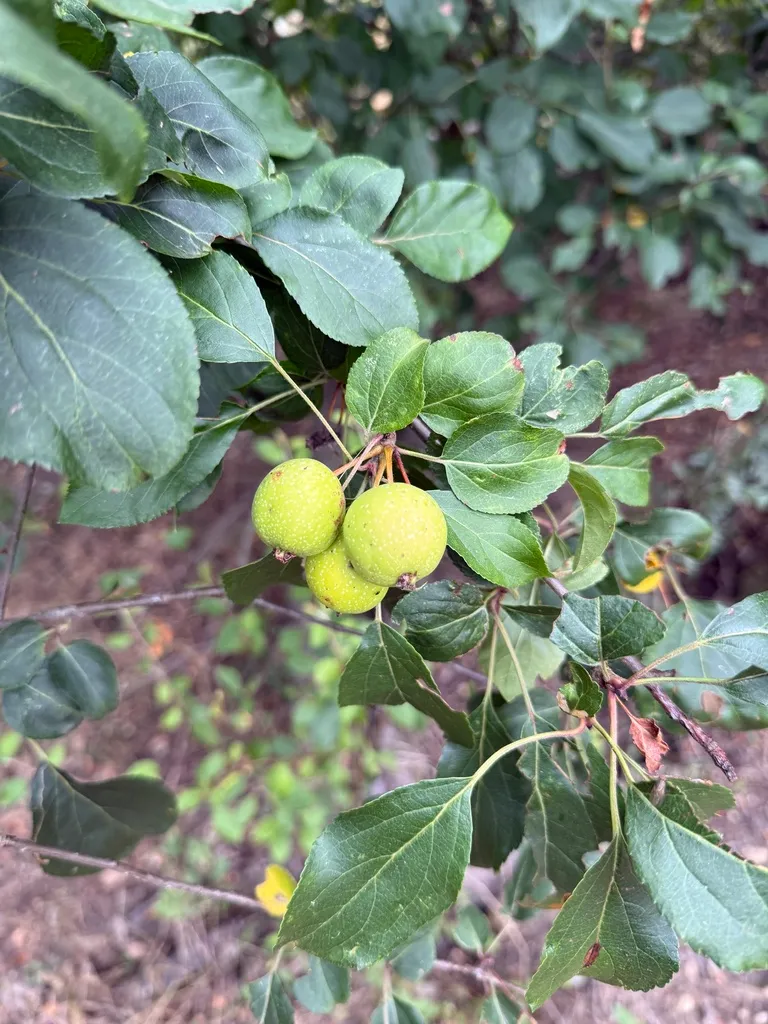
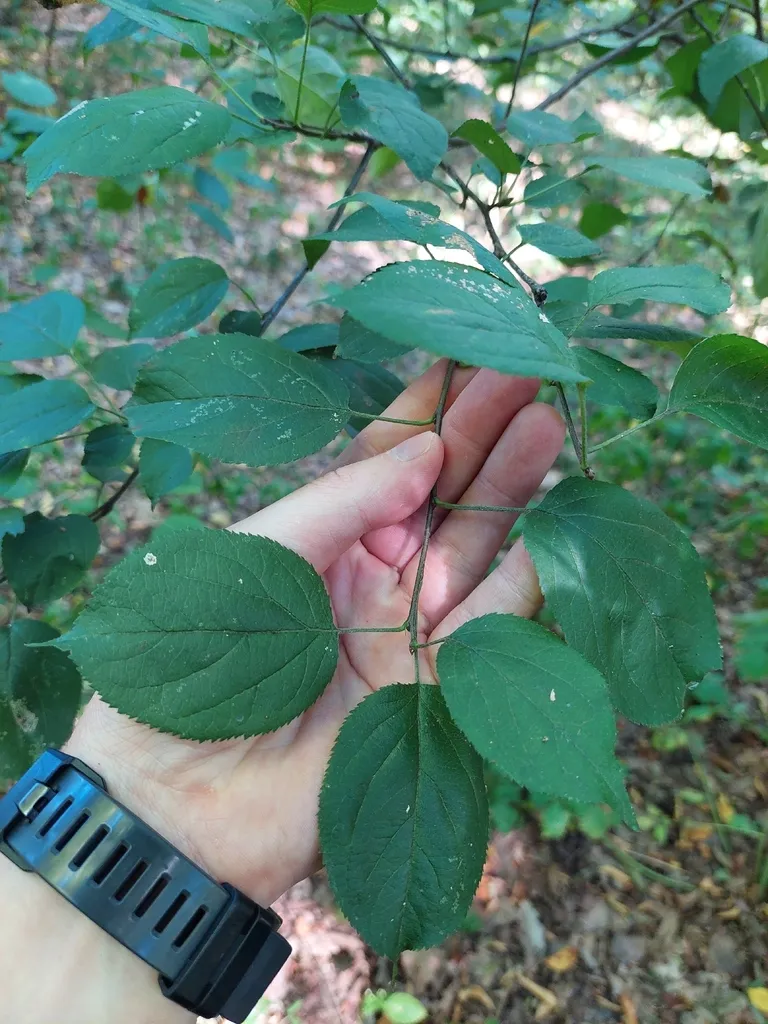
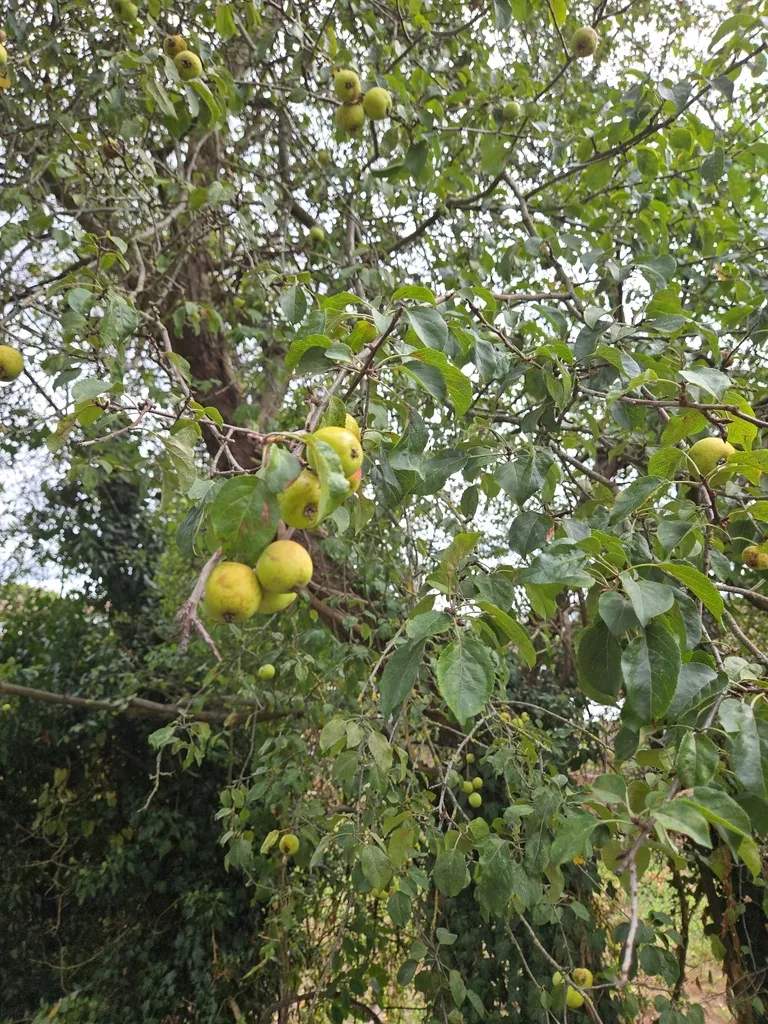
| Care difficulty | 2 / 5 |
|---|---|
| Watering schedule | Deep watering during dry periods, especially while fruiting |
| Sunlight requirements | Full sun · Partial shade |
| Ideal temperature | 15 – 25 °C |
| Soil type | Chalk · Clay · Loam · Sand |
| Soil pH | Acid · Alkaline · Neutral |
| Soil moisture | Moist but well drained |
| Fertilizing | Fruit tree feed in early spring and after set fruit |
| Toxicity | Fruit are ornamental - not to be eaten. Wear gloves and other protective equipment when handling |
How to Water crab apple?
Originating from the temperate regions, european crab apple is accustomed to moderate moisture levels and can tolerate brief periods of dryness. This resilience translates into a preference for consistent but not excessive watering, aligning with its natural rhythm of seasonal rainfall. Consequently, european crab apple thrives when watered once every three weeks, ensuring the soil remains moist without becoming waterlogged. As a deciduous plant commonly grown outdoors, european crab apple's water needs fluctuate with the seasons; it requires less hydration during dormancy in winter months.
Learn more →What Are the Sunlight Requirements for crab apple?
European crab apple thrives best in full sunlight, where it receives uninterrupted solar exposure for most of the day. This level of light is critical for optimal growth, health, and particularly for its flowering capacity, enabling it to produce a vibrant display of blossoms annually. While european crab apple tolerates partial sun, lesser light conditions can lead to reduced flowering and can potentially affect its vigor and leaf coloration. Outdoors, european crab apple should be planted in locations with clear exposure to sun for the majority of the day. Adaptive traits include its ability to adjust leaf orientation to maximize light capture, enhancing its photosynthetic efficiency under varying light conditions.
Learn more →What Is the Ideal Temperature Range for crab apple?

European crab apple demonstrates impressive temperature resilience, tolerating cold as low as -30℃ (-22℉) and heat up to 38℃ (100℉). This broad temperature tolerance means it's generally hardy, though care must be taken during extreme conditions. In severe cold, frost damage can manifest as browning leaves or bark damage, requiring mulching and wind barriers. During extreme heat, symptoms like wilting or scorched leaves may appear; thus, ample watering and shade provision are crucial. These adaptations make european crab apple suitable for diverse environments, but proactive measures are essential to mitigate the impacts of temperature extremes.
Learn more →What Soil Is Best for crab apple?
In its natural habitat, european crab apple thrives in well-drained soils that range from acidic to neutral pH (5.5-7.5). It prefers loamy soil, rich in organic matter, but can also adapt to sandy or clayey compositions. For optimal growth, use a mix of 40% garden soil, 30% compost, and 30% sand to ensure good drainage and nutrient availability. If clay or chalky soil is dominant, enhance drainage with perlite or coarse sand. Regularly top-dress with compost and consider bi-annual applications of balanced 10-10-10 fertilizer to support vigorous growth.
- Soil type
- Chalk · Clay · Loam · Sand
- Soil pH
- Acid · Alkaline · Neutral
What Are the Moisture Requirements for crab apple?
Moist but well drained
Learn more →How to Fertilize crab apple?

For optimal growth, european crab apple requires balanced nutrition, with a fertilizer having an equal ratio of nitrogen, phosphorus, and potassium. Apply this in early spring to kick-start growth, and again in late spring to boost flowering and fruiting. European crab apple benefits from a lighter feeding in summer if growth is slow. Avoid fall fertilization, as new growth can be damaged by frost. Use about 1/2 pound of fertilizer per inch of trunk diameter, spreading evenly under the canopy. Over-fertilization can lead to excessive foliage at the expense of fruit. Always water the plant well after applying fertilizer to distribute nutrients and prevent root burn.
Learn more →How to Prune crab apple?

Distinguished by its small, tart fruits and attractive blossoms, european crab apple benefits from pruning in late winter. Key techniques include removing dead or diseased wood, thinning overcrowded branches, and shaping the canopy to improve air circulation and light penetration. Optimal timing before spring growth reduces stress and enhances health. This pruning also promotes better flowering and fruiting. Always use clean, sharp tools to minimize damage and prevent disease spread.
Learn more →How to Propagate crab apple?

European crab apple, with its tart fruits and spring blossoms, thrives when propagated meticulously. Seeds can be stratified and sown in well-draining soil, ensuring consistent moisture for optimal germination. Cuttings, preferably from semi-hardwood, can root effectively in a blend of peat and perlite. Grafting onto rootstocks promotes vigor and disease resistance. Attention to soil conditions, along with gentle handling of delicate roots, establishes a robust foundation for growth.
Learn more →How to Transplant crab apple?
The prime window for relocating european crab apple unfolds between early and late spring, leveraging robust root establishment before summer. Select a sunny spot with well-draining soil. Engage in transplanting with a nurturing touch to minimize stress.
Learn more →How to Plant crab apple?
Indoors-potted: Thriving indoors for european crab apple may challenge your green thumb, as it craves more space and light to flourish than typical houseplants. Outdoors-potted: European crab apple adapts well in outdoor pots but monitor growth; frequent repotting ensures the roots have ample room to support its vigorous nature. Outdoors-in the ground: Planting european crab apple in the ground outdoors allows natural growth rhythms, encouraging robust development and a bountiful display of seasonal blooms.
Learn more →Common Pests & Diseases

Diseases
May be susceptible to apple scab, honey fungus, apple canker, fireblight, blossom wilt and Powdery mildews
Pests
May be susceptible to aphids, woolly aphid, fruit tree red spider mite and caterpillars
Explore the plant health library →The Toxicity of crab apple
Fruit are ornamental - not to be eaten. Wear gloves and other protective equipment when handling