



Planting and Growing red-barked dogwood

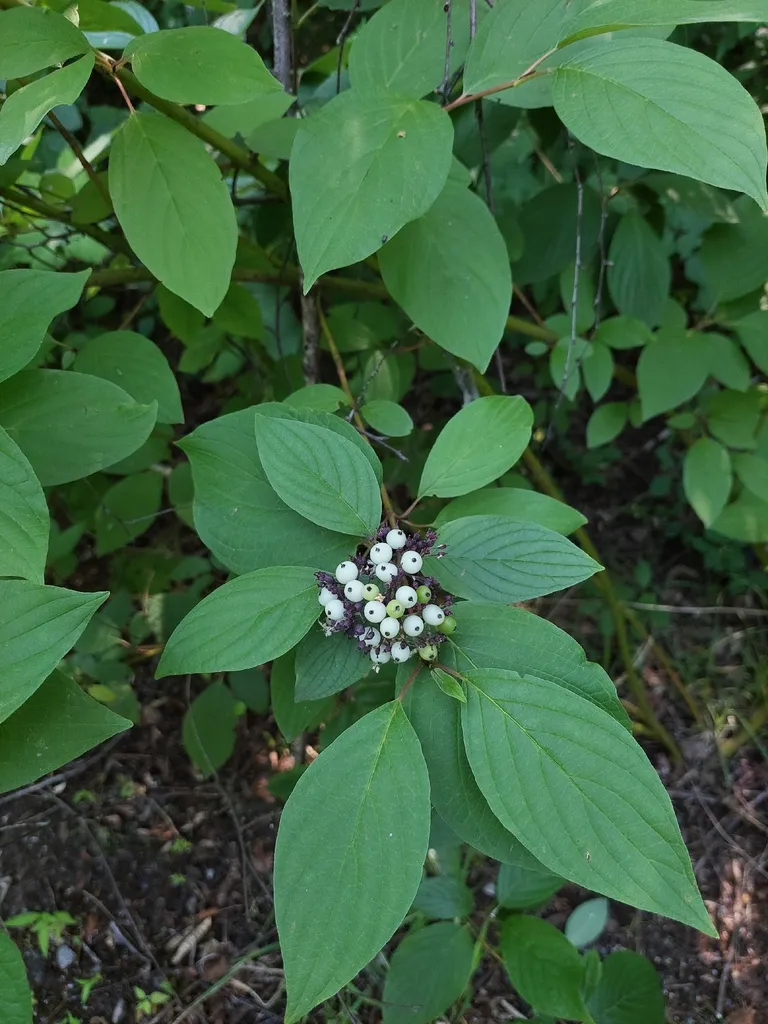
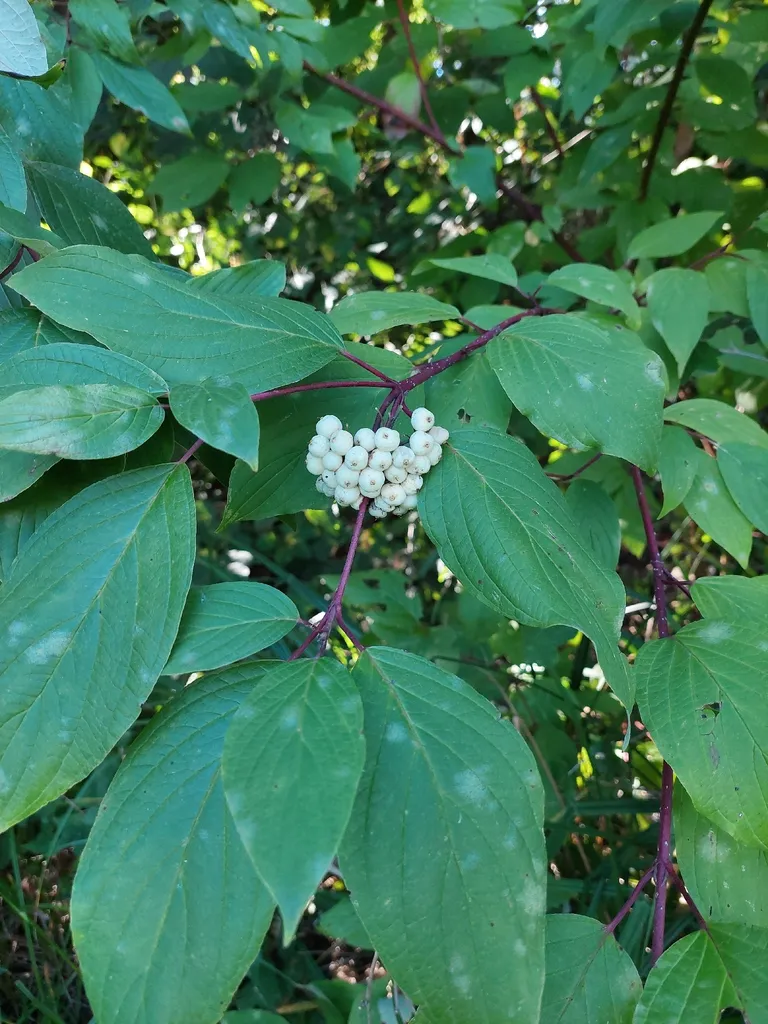
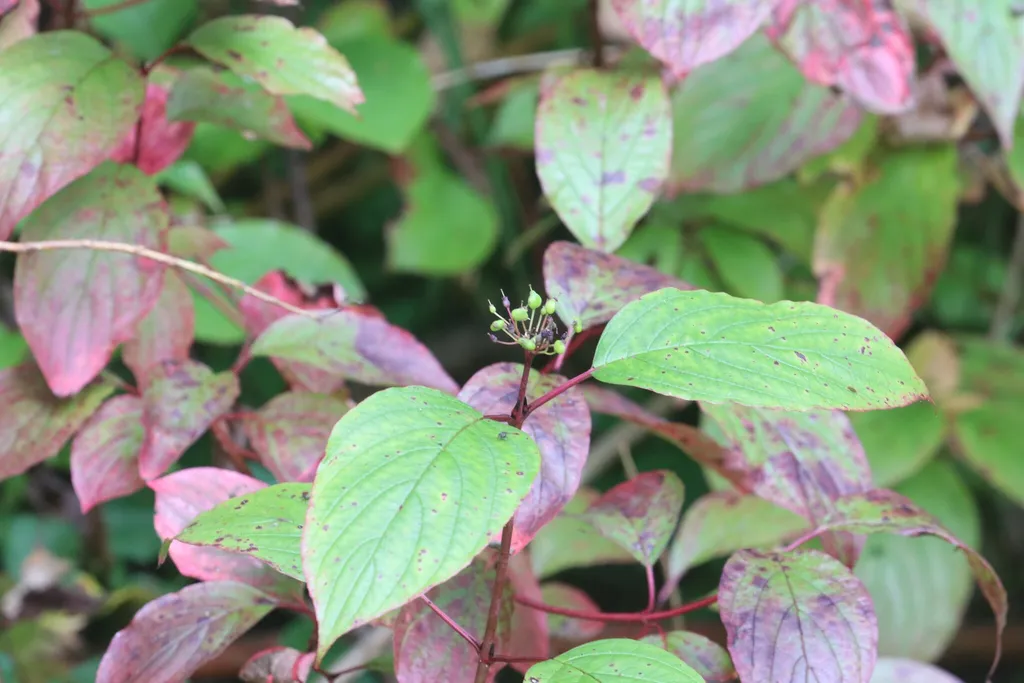
| Care difficulty | 1 / 5 |
|---|---|
| Watering schedule | Deep watering during dry spells, allowing slight surface drying between soakings |
| Sunlight requirements | Full sun |
| Ideal temperature | 15 – 25 °C |
| Soil type | Clay · Loam · Sand |
| Soil pH | Acid · Alkaline · Neutral |
| Soil moisture | Moist but well drained · Well drained |
| Fertilizing | Balanced shrub or tree feed once each early spring |
| Toxicity | Information to be completed |
How to Water red-barked dogwood?
Siberian dogwood thrives in environments that mimic its native habitat, which is characterized by cold winters and moderate summers. As a species accustomed to the temperate climate zones, it has developed a preference for soil that remains consistently moist but well-drained. Its water habits can be described as balanced, needing moisture without being waterlogged. Accordingly, siberian dogwood should be watered once every two weeks to maintain this equilibrium. Typically found outdoors due to its hardiness, siberian dogwood adapts well to seasonal changes and benefits from increased watering during its active growing season to support robust growth and vibrant foliage.
Learn more →What Are the Sunlight Requirements for red-barked dogwood?
Siberian dogwood thrives under full sunlight, which enhances its growth, health, and flowering capabilities. While optimal growth is experienced in brighter conditions, siberian dogwood also tolerates partial sun, though this may result in reduced flowering and slightly less vigorous growth. The plant exhibits adaptive traits such as leaf color intensification in full sun, making it not only healthier but also more visually appealing. Outdoors, siberian dogwood should be planted in locations where it can receive unfiltered sun for most of the day to ensure robust growth and optimal performance.
Learn more →What Is the Ideal Temperature Range for red-barked dogwood?

Siberian dogwood demonstrates remarkable resilience to temperature fluctuations, tolerating cold temperatures down to -20℃ (-4℉) and heat up to 35℃ (95℉). This impressive tolerance implies that the plant can thrive in a variety of climates, though it may need protective measures during extreme colds or heatwaves. Signs of stress from extreme cold include leaf browning and dieback, while overheating may cause leaf scorch and wilting. To counter overcooling, mulch around the base can insulate roots, and during high temperatures, providing shade and adequate watering can help. This adaptability makes siberian dogwood suitable for diverse environmental conditions, enhancing its care flexibility.
Learn more →What Soil Is Best for red-barked dogwood?
Siberian dogwood thrives in diverse soil types ranging from slightly acidic to slightly alkaline (pH 5.5-7.5). In its natural habitat, siberian dogwood typically grows in fertile, well-drained loam but can adapt to sandy or clayey soils. A suitable soil mix includes 40% garden soil, 30% compost, and 30% coarse sand to ensure good drainage and nutrient availability. Avoid water-logging by incorporating perlite if necessary. Fertilize with a balanced, slow-release fertilizer in spring. This mix replicates native conditions, ensuring optimal growth and health for siberian dogwood.
- Soil type
- Clay · Loam · Sand
- Soil pH
- Acid · Alkaline · Neutral
What Are the Moisture Requirements for red-barked dogwood?
Moist but well drained · Well drained
Learn more →How to Fertilize red-barked dogwood?

Fertilizing siberian dogwood enhances growth and stem color. Use balanced nutrition fertilizers in early spring as siberian dogwood breaks dormancy, repeating during the growing season if growth is lackluster. Typically, once per season suffices, ensuring not to over-fertilize. Apply following package instructions for quantity, as excessive amounts can harm siberian dogwood. Seasonal variations, like reduced winter fertilization, align with siberian dogwood's dormant phase. For safety and efficacy, avoid root contact and water after applying to help absorption.
Learn more →How to Prune red-barked dogwood?

Siberian dogwood, known for its striking red stems and vibrant foliage, benefits from annual pruning in early spring. Remove one-third of the older stems at ground level to encourage new growth and enhance color. Thin out crowded areas to improve air circulation and shape the plant. Regular pruning ensures healthier, more vigorous plants with brighter stem color. Follow these steps for optimal results: prune just before new growth begins, focusing on older, less productive branches.
Learn more →How to Propagate red-barked dogwood?

For successful propagation of siberian dogwood, take softwood cuttings in late spring or early summer. These should be taken from a healthy, disease-free parent plant. Cuttings with a length of 4-6 inches, each with a few leaves, can root more effectively. Use a rooting hormone to enhance root development and plant in well-draining soil rich in organic matter. Maintain consistent moisture, but ensure soil isn't waterlogged. Providing indirect sunlight encourages growth without overwhelming delicate cuttings. With proper care, these cuttings will establish strong roots, ready for transplanting to a more permanent location.
Learn more →How to Transplant red-barked dogwood?
The prime time to transfer siberian dogwood is in the burgeoning warmth of early to mid-spring, harnessing vigorous growth post-relocation. Select a spot with sun to partial shade and moist, well-draining soil to ensure siberian dogwood thrives. Gentle handling is key to success.
Learn more →How to Care for red-barked dogwood in Winter?

Information to be completed
Learn more →How to Plant red-barked dogwood?
Indoors-potted: Inside, siberian dogwood may struggle without ample light; ensure a bright location for vibrant foliage. Outdoors-potted: In pots outside, siberian dogwood's roots need protection from extreme cold to maintain plant vigor. Outdoors-in the ground: Siberian dogwood thrives outdoors with space for root expansion, enhancing its natural growth and brilliant winter bark color.
Learn more →How to Repot red-barked dogwood?
Information to be completed
Learn more →How to Harvest red-barked dogwood?

Information to be completed
Learn more →Common Pests & Diseases

Diseases
May be susceptible to cornus anthracnose and honey fungus
Pests
Generally pest-free but may be susceptible to horse chestnut scale
Explore the plant health library →The Toxicity of red-barked dogwood
Information to be completed