
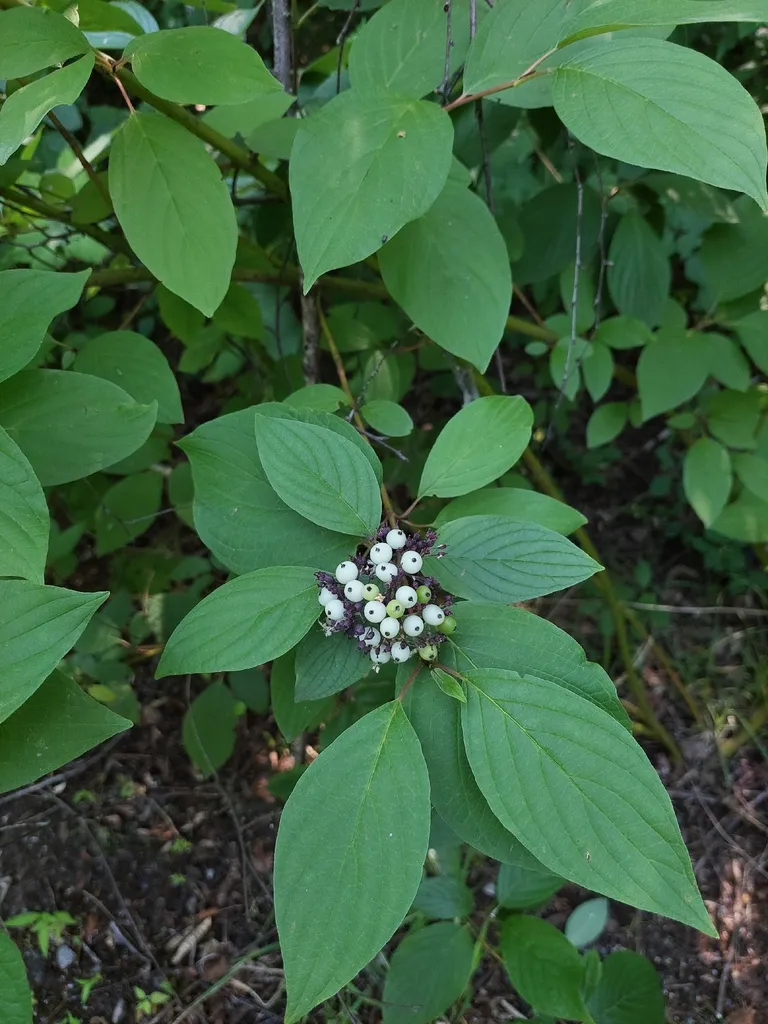



What Soil Is Best for red-barked dogwood?

Siberian dogwood thrives in diverse soil types ranging from slightly acidic to slightly alkaline (pH 5.5-7.5). In its natural habitat, siberian dogwood typically grows in fertile, well-drained loam but can adapt to sandy or clayey soils. A suitable soil mix includes 40% garden soil, 30% compost, and 30% coarse sand to ensure good drainage and nutrient availability. Avoid water-logging by incorporating perlite if necessary. Fertilize with a balanced, slow-release fertilizer in spring. This mix replicates native conditions, ensuring optimal growth and health for siberian dogwood.
- Soil type
- Clay · Loam · Sand
- Soil pH
- Acid · Alkaline · Neutral