



Planting and Growing Irish ivy 'Dealbata'

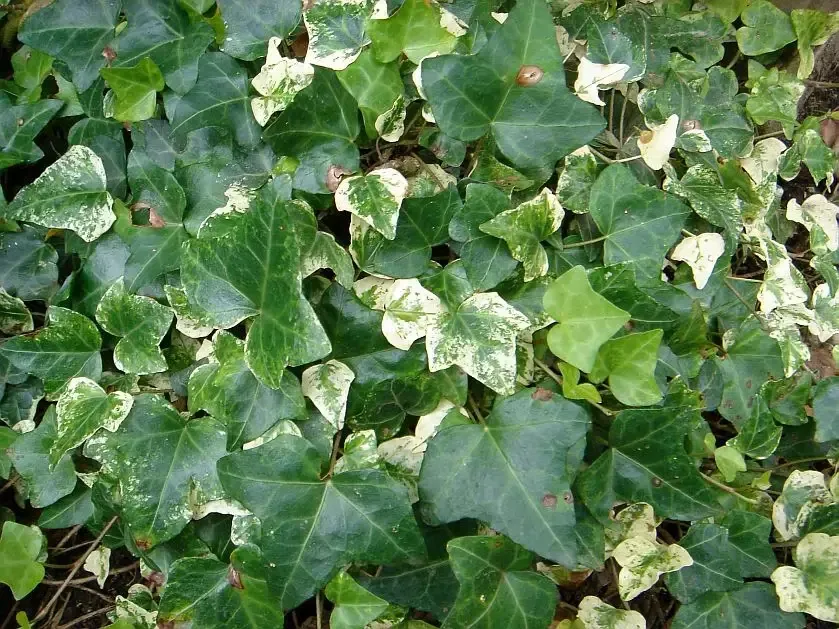
| Care difficulty | 3 / 5 |
|---|---|
| Watering schedule | Water moderately, allow slight drying between waterings |
| Sunlight requirements | Full sun · Partial shade |
| Ideal temperature | Information to be completed |
| Soil type | Chalk · Clay · Loam · Sand |
| Soil pH | Acid · Alkaline · Neutral |
| Soil moisture | Moist but well drained · Well drained |
| Fertilizing | Light balanced feed in spring and summer |
| Toxicity | Harmful if eaten, skin irritant. Wear gloves and other protective equipment when handling] |
How to Water Irish ivy 'Dealbata'?
Water moderately, allow slight drying between waterings
Learn more →What Are the Sunlight Requirements for Irish ivy 'Dealbata'?
Full sun · Partial shade
Learn more →What Soil Is Best for Irish ivy 'Dealbata'?
- Soil type
- Chalk · Clay · Loam · Sand
- Soil pH
- Acid · Alkaline · Neutral
What Are the Moisture Requirements for Irish ivy 'Dealbata'?
Moist but well drained · Well drained
Learn more →How to Fertilize Irish ivy 'Dealbata'?

Light balanced feed in spring and summer
Learn more →How to Prune Irish ivy 'Dealbata'?

Routine pruning is unnecessary; shorten overlong shoots to fit the available space. Trim as needed at any time.
Learn more →How to Propagate Irish ivy 'Dealbata'?

Propagate by softwood cuttings at any time, semi-ripe or hardwood cuttings from late summer to late winter, layering or grafting at any time
Learn more →How to Plant Irish ivy 'Dealbata'?
Tolerant of a range of soils and conditions but grows best in ferile, humus-rich well-drained alkaline soil in a sheltered spot. See hedera (ivy) cultivation
Learn more →Common Pests & Diseases

Diseases
May be susceptible to honey fungus (rarely) and a leaf spot
Pests
May be susceptible to glasshouse red spider mite, scale insects, vine weevil and aphids
Explore the plant health library →The Toxicity of Irish ivy 'Dealbata'
Harmful if eaten, skin irritant. Wear gloves and other protective equipment when handling]