



Planting and Growing common ivy

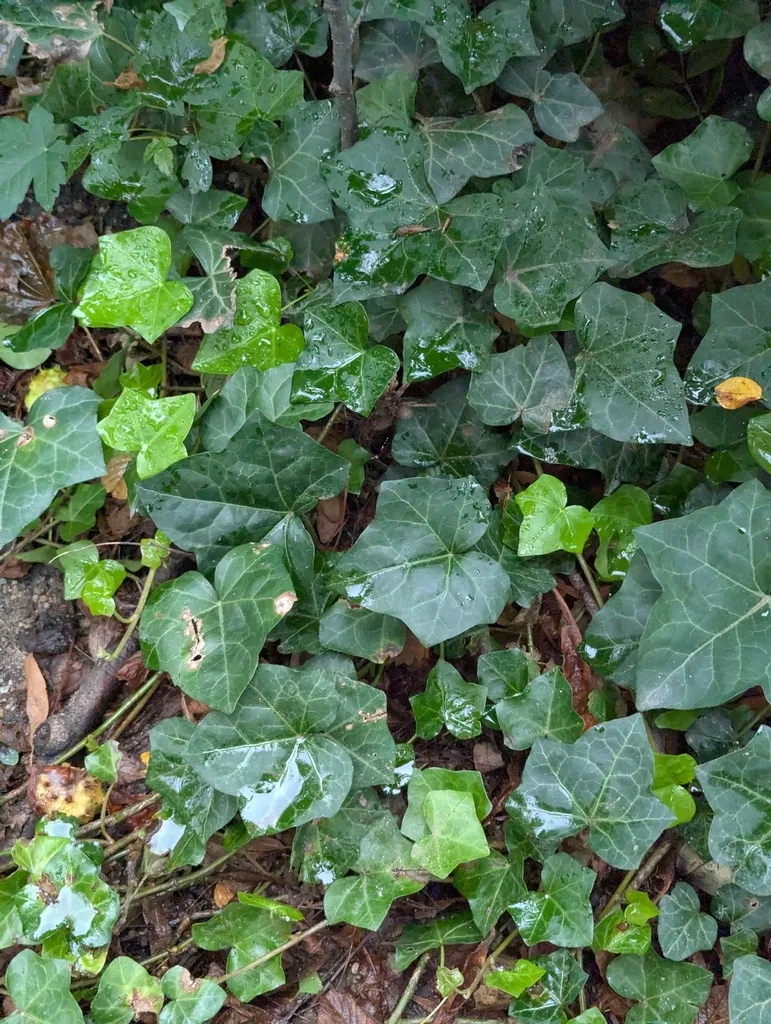
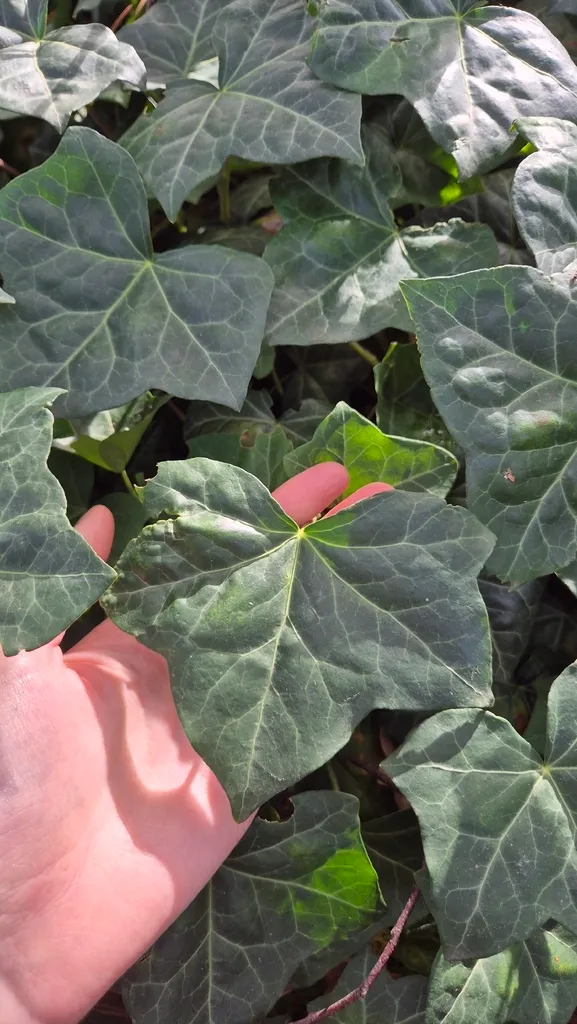
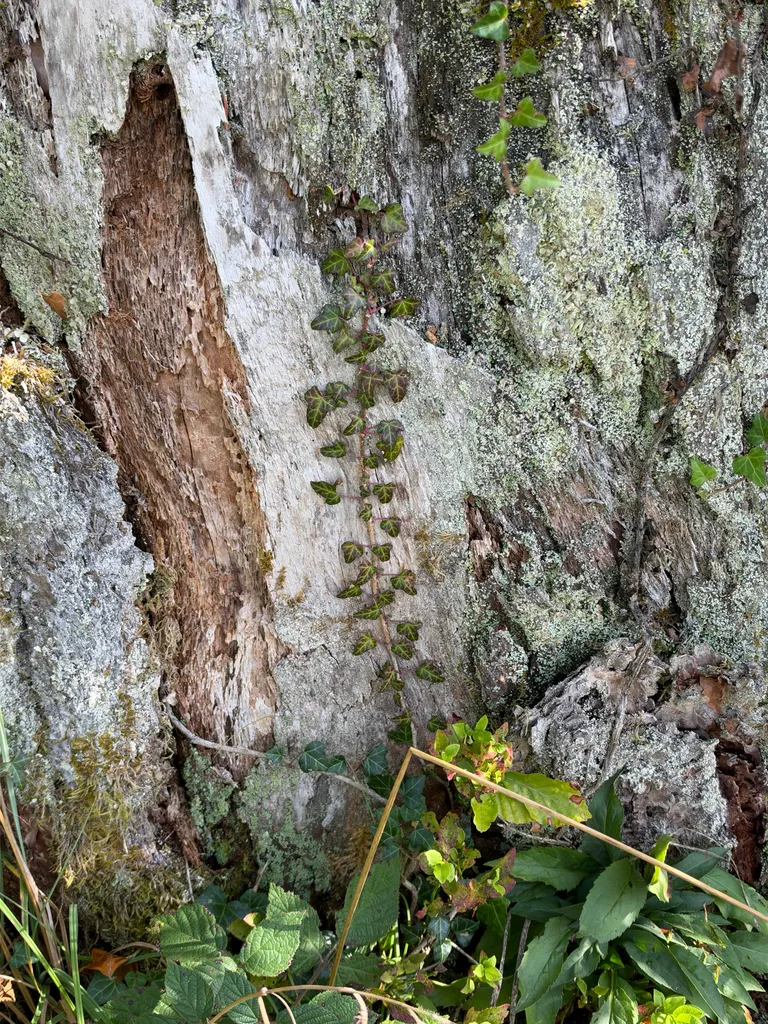
| Care difficulty | 3 / 5 |
|---|---|
| Watering schedule | Water when top inch of soil is dry |
| Sunlight requirements | Full shade · Full sun · Partial shade |
| Ideal temperature | 15 – 25 °C |
| Soil type | Chalk · Clay · Loam · Sand |
| Soil pH | Acid · Alkaline · Neutral |
| Soil moisture | Moist but well drained · Well drained |
| Fertilizing | Monthly during spring and summer |
| Toxicity | Harmful if eaten, skin irritant. Wear gloves and other protective equipment when handling] |
How to Water common ivy?
English ivy thrives in the consistent moisture found in its native woodlands. It exhibits a preference for evenly moist soil, reflecting its intolerance to both drought and overly saturated conditions. Watering every week will maintain this balance, ensuring english ivy's health. As an evergreen plant commonly grown indoors, english ivy benefits from higher humidity levels which mimic its natural environment, promoting lush foliage and vigorous growth.
Learn more →What Are the Sunlight Requirements for common ivy?
English ivy thrives in partial sun, which entails dappled or indirect light for optimal growth. It is remarkably adaptable, tolerating both full sun and full shade, although extreme conditions can affect its health. In full sun, english ivy's leaves may become scorched, while in deep shade, growth may be less vigorous. Its leaves can adjust to varying light exposures, becoming darker in more intense light to protect from sun damage. When grown outdoors, english ivy is best planted in locations that mimic its natural woodland habitat, offering filtered light. English ivy can also be a robust indoor plant, preferring bright, indirect light inside.
Learn more →What Is the Ideal Temperature Range for common ivy?

English ivy demonstrates notable resilience to temperature fluctuations. Tolerating cold up to -10℃ (14℉) and heat up to 43℃ (109℉), it can endure a broad range of environmental extremes. This versatility necessitates protective measures during severe conditions; for instance, mulching in frigid weather or providing shade and adequate water during scorching heatwaves. Symptoms of distress under extreme cold include leaf browning and wilting, while excessive heat can cause leaf scorch and dehydration. Countermeasures involve relocating the plant indoors during freezing temperatures and ensuring adequate hydration and shading during extreme heat to maintain its health and vibrancy.
Learn more →What Soil Is Best for common ivy?
English ivy grows best in well-drained fertile soil, whether neutral and slightly acidic. The preferred pH ranges from 6.0-7.5. The plant tolerates poor soil and can survive in any loose, ventilated culture media. Mix garden soil or peat soil with leaf mold at 1:1 ratio to ensure long-term healthy growth and brightness of leaves. Replace the pot and half the soil once every year or two.
- Soil type
- Chalk · Clay · Loam · Sand
- Soil pH
- Acid · Alkaline · Neutral
What Are the Moisture Requirements for common ivy?
Moist but well drained · Well drained
Learn more →How to Fertilize common ivy?

To nurture english ivy, choose balanced nutrition fertilizers or high nitrogen options for vigorous growth. During active growth in spring and summer, fertilize every 2-4 weeks; in fall and winter, reduce to bi-monthly or cease. A quarter to half-strength recommended dilution is sufficient. Over-fertilization risks root burn—observe plant response and adjust. Seasonal growth spurts demand more nutrients, but in dormancy, english ivy’s fertilization needs diminish. For effective application, water english ivy first to prevent root burn and ensure even nutrient distribution.
Learn more →How to Prune common ivy?

English ivy, a versatile climbing or trailing plant, features evergreen foliage and can grow aggressively. Prune in early spring to manage size and encourage new growth. Trim back vigorous shoots and remove any dead or damaged stems. Regular pruning helps maintain shape and prevents overgrowth, promoting healthy development. Be cautious of english ivy's rapid spread, which can become invasive if left unchecked.
Learn more →How to Propagate common ivy?

English ivy is a vigorous, evergreen climber known for its ability to root easily from stem cuttings. For successful propagation, select a healthy, non-flowering shoot and cut a segment with several leaf nodes. Place the cutting in water until roots develop or plant directly into a potting mix. Keep the substrate consistently moist and ensure high humidity and warmth to encourage root growth. Rooting hormone can facilitate the process, but is not essential due to the plant's natural propensity to root.
Learn more →How to Transplant common ivy?
The best time to transplant english ivy is mid to late spring or fall, as these seasons provide ideal temperatures and moisture for root establishment. Choose a well-draining location with partial to full shade. Gently loosen the root ball during transplant to promote healthy growth.
Learn more →How to Care for common ivy in Winter?

English ivy originates from the mild climate of Europe and its hearty nature equips it bouyantly for winter. This evergreen retains its leaves in the cold, relying on its deep root system for sustenance. For gardeners, english ivy requires minimal winter care - a well-drained soil prevents root rot while occasional pruning maintains its vigour. Providing a protective mulch ensures the plant's resilience even in harsh conditions.
Learn more →How to Plant common ivy?
Indoors-potted: In a cozy indoor setting, english ivy thrives with stable support for its climbing nature; consider a trellis or wall to encourage vertical growth. Outdoors-potted: English ivy in outdoor pots needs thoughtful positioning to avoid invasive tendencies while showcasing its ornamental beauty. Outdoors-in the ground: While english ivy can carpet the ground outdoors, be wary of its vigorous growth which may require regular pruning to manage spread.
Learn more →How to Repot common ivy?
Repot english ivy every 2-3 years in spring, to support its vigorous climbing habit and ensure robust health. Choose a pot that's one size larger, with ample drainage. After repotting, place in indirect light; water sparingly until new growth appears. English ivy thrives with consistent care, making it a resilient addition to any space.
Learn more →How to Harvest common ivy?

Information to be completed
Learn more →Common Pests & Diseases

Diseases
May be susceptible to honey fungus (rarely) and a leaf spot
Pests
May be susceptible to glasshouse red spider mite, scale insects, vine weevil and aphids
Explore the plant health library →The Toxicity of common ivy
Harmful if eaten, skin irritant. Wear gloves and other protective equipment when handling]