



Planting and Growing wall cotoneaster

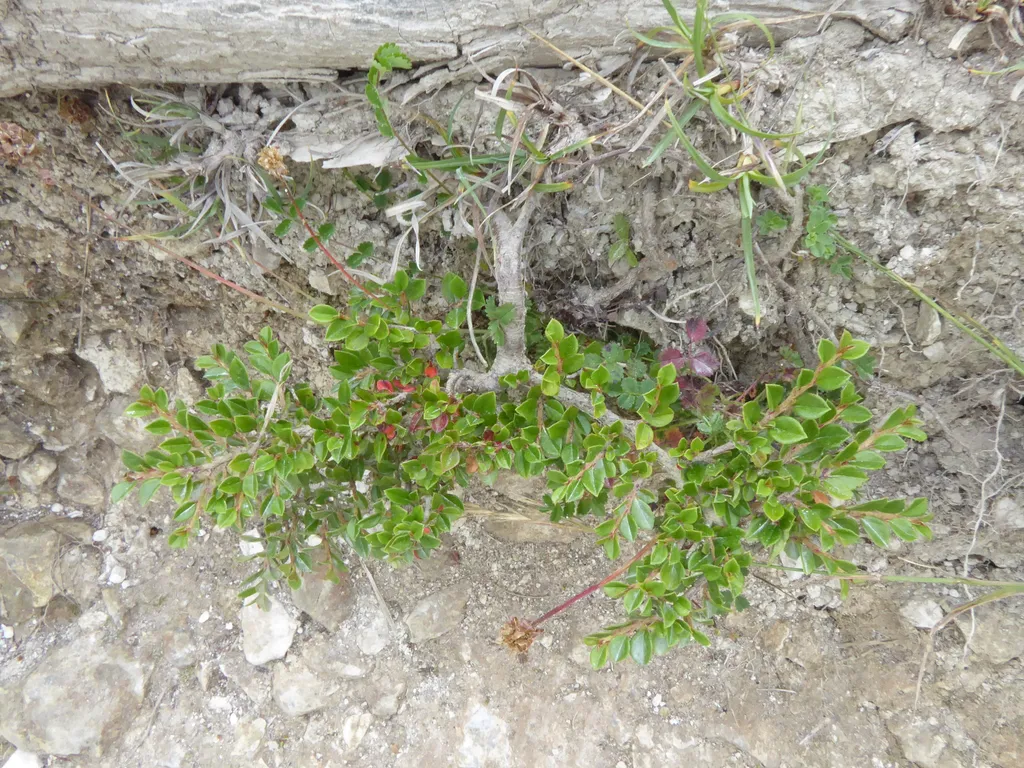
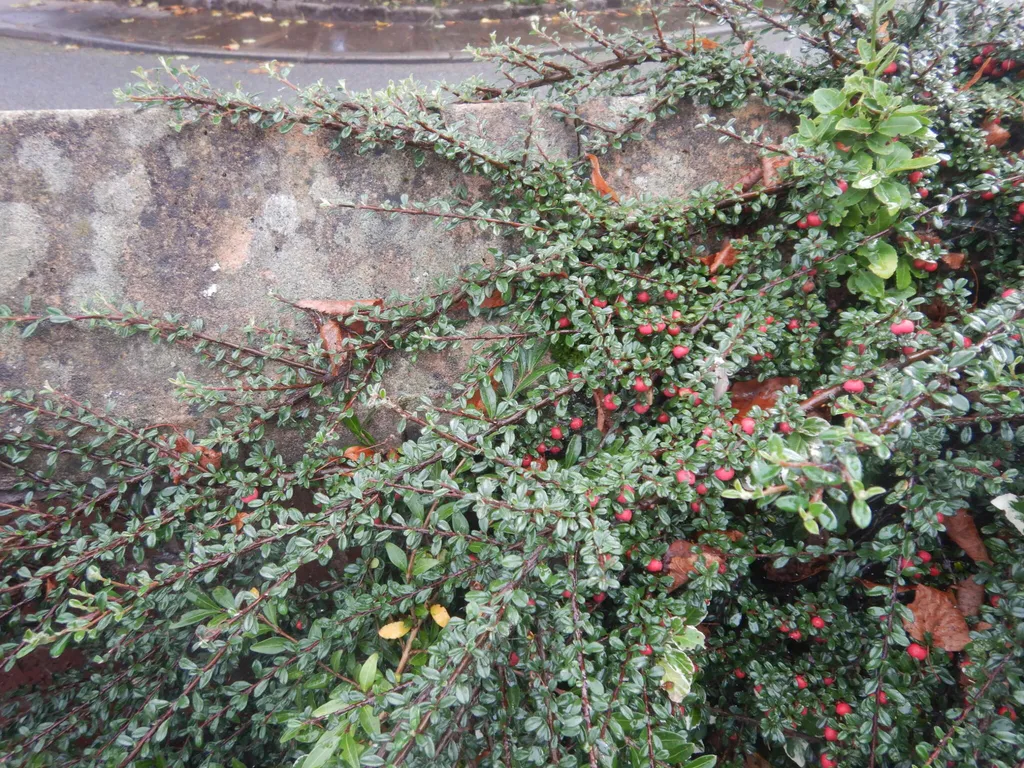
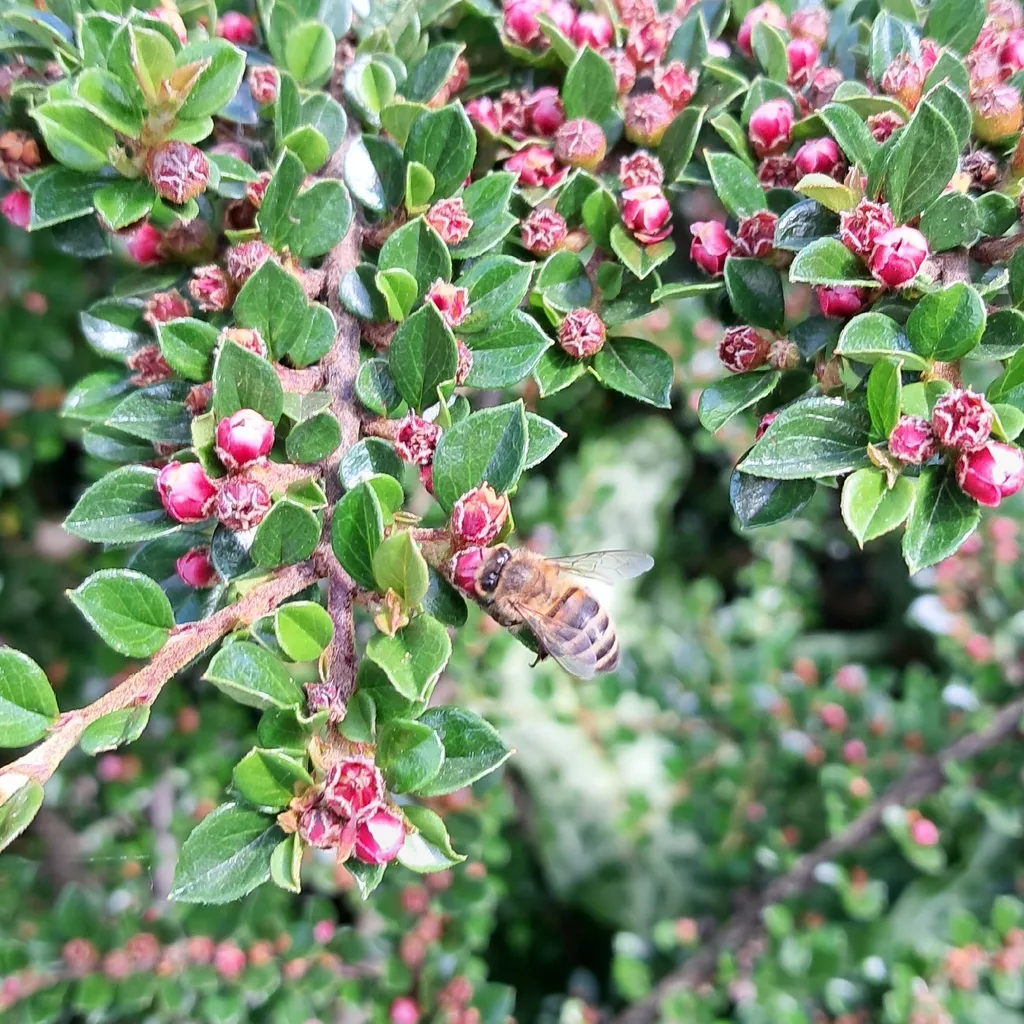
| Care difficulty | 2 / 5 |
|---|---|
| Watering schedule | Water moderately, allow soil to dry between waterings |
| Sunlight requirements | Full sun |
| Ideal temperature | 15 – 25 °C |
| Soil type | Chalk · Clay · Loam · Sand |
| Soil pH | Acid · Alkaline · Neutral |
| Soil moisture | Well drained |
| Fertilizing | Once in spring with balanced slow-release fertilizer |
| Toxicity | Fruit are ornamental - not to be eaten. Wear gloves and other protective equipment when handling |
How to Water wall cotoneaster?
Rockspray cotoneaster thrives in well-drained conditions, reflecting its resilience to dry spells. Originating from rocky habitats, it has adapted to retain moisture efficiently. Watering for rockspray cotoneaster should be moderate, aligning with its drought-tolerant nature—once every 1-2 weeks suffices. As a plant that typically flourishes outdoors, rockspray cotoneaster's growth cycle is attuned to seasonal rainfall patterns, requiring less intervention during wetter months.
Learn more →What Are the Sunlight Requirements for wall cotoneaster?
Rockspray cotoneaster thrives in partial sun, requiring exposure to at least four to six hours of sunlight daily. While partial sun is optimal, rockspray cotoneaster demonstrates a high tolerance to full sun conditions, which can enhance flowering and fruit production, albeit at the risk of scorching in excessively hot climates. Deviations from these conditions, particularly insufficient light, may lead to reduced growth and fewer blooms. Adaptively, rockspray cotoneaster's leaves may exhibit some color intensification when exposed to full sunlight. It is best planted outdoors in a location where it can receive morning sun and afternoon shade, ideal for promoting its vigorous growth and ornamental appeal.
Learn more →What Is the Ideal Temperature Range for wall cotoneaster?

Rockspray cotoneaster demonstrates robust adaptability to temperature variations, thriving in a wide range of temperatures. It can handle cold temperatures as low as -20°C (-4°F) and withstand heat up to 35°C (95°F). This temperature resilience means rockspray cotoneaster can be grown in diverse climates, though protection is necessary during extreme cold or heat. In cold, rockspray cotoneaster might exhibit leaf discoloration and wilting, while in excessive heat, it may show signs of leaf burn and drooping. To mitigate these effects, use mulch and shade during heat waves, and insulate with frost covers in severe cold. Regular monitoring ensures optimal health.
Learn more →What Soil Is Best for wall cotoneaster?
For optimal health, rockspray cotoneaster requires well-drained soil to prevent water-logging, as it is sensitive to excess moisture. An ideal soil mix includes garden soil, sand, and compost in equal parts, which ensures good aeration and drainage. If sand is not available, perlite can be used as an alternative. To further enhance growth, apply a balanced slow-release fertilizer in the spring. Regularly checking soil moisture can prevent overwatering.
- Soil type
- Chalk · Clay · Loam · Sand
- Soil pH
- Acid · Alkaline · Neutral
What Are the Moisture Requirements for wall cotoneaster?
Well drained
Learn more →How to Fertilize wall cotoneaster?

For rockspray cotoneaster, use a balanced 10-10-10 fertilizer in spring to stimulate growth. In early summer, switch to high-nitrogen fertilizer to enhance foliage density. Apply every 4-6 weeks, following package rates to avoid overfertilization. Proper feeding ensures robust growth, vibrant foliage, and plentiful berries. Seasonal adjustments are crucial; cease feeding by late summer to prepare rockspray cotoneaster for dormancy. Incorporate a slow-release formula for sustained benefits. Always water thoroughly post-application to aid nutrient absorption and prevent root burn.
Learn more →How to Prune wall cotoneaster?

Rockspray cotoneaster is marked by its low-growing, spreading habit, and visually appealing, dense branching. Key pruning techniques involve removing dead or damaged branches and cutting back overlong shoots to maintain its shape. Optimal timing for pruning is early spring before new growth begins. Pruning rockspray cotoneaster enhances air circulation, reduces disease risk, and encourages healthier and more vigorous growth. Always use sharp, clean tools to ensure precise cuts and minimize plant stress.
Learn more →How to Propagate wall cotoneaster?

Rockspray cotoneaster is best propagated through cutting and layering techniques during its ideal season, autumn and winter. Propagation is moderately easy, with successful growth indicated by new foliage or roots. Ensure proper humidity and temperature conditions for optimal results.
Learn more →How to Transplant wall cotoneaster?
The best time to transplant rockspray cotoneaster is during the delightful mid-spring to early summer period when the weather is optimal. Choose a well-drained, sunny to partially shaded area for its new home. Don't forget to keep up the friendly care for a successful transplant!
Learn more →How to Care for wall cotoneaster in Winter?

Information to be completed
Learn more →How to Plant wall cotoneaster?
Indoors-potted: For rockspray cotoneaster indoors, ensure ample space as it thrives when it's not confined. Pruning can stimulate a bushier growth habit suitable for indoor aesthetics. Outdoors-potted: Rockspray cotoneaster, when potted outdoors, may require more frequent watering due to exposure and limited soil volume compared to in-ground planting. Outdoors-in the ground: Planting rockspray cotoneaster in the ground outside allows its horizontal branching pattern to create an impressive display, especially effective on slopes for erosion control.
Learn more →How to Repot wall cotoneaster?
When repotting rockspray cotoneaster, a deciduous ground cover, opt for spring timing every 2-3 years, allowing the plant's vigorous growth to settle. A wider pot supports its horizontal spread and branching habit. Post-repotting, ensure moist soil and partial shade. Such caution facilitates recovery and spurs its web of fine, arching branches. For best results, tailor care to this robust grower.
Learn more →How to Harvest wall cotoneaster?

Information to be completed
Learn more →Common Pests & Diseases

Diseases
May be susceptible to fireblight and honey fungus
Pests
May be susceptible to scale insects, Cotoneaster webber caterpillar, aphids and woolly aphid
Explore the plant health library →The Toxicity of wall cotoneaster
Fruit are ornamental - not to be eaten. Wear gloves and other protective equipment when handling