
wall cotoneaster
Also known as: rock spray; wall spray
Low-growing, spreading, deciduous shrub to 90cm tall and 1.5m in width, with distinctive, flat, herringbone patterned sprays of foliage bearing small glossy dark green leaves that turn orange and red in autumn. Pink-tinged white flowers in late spring are followed by red berries
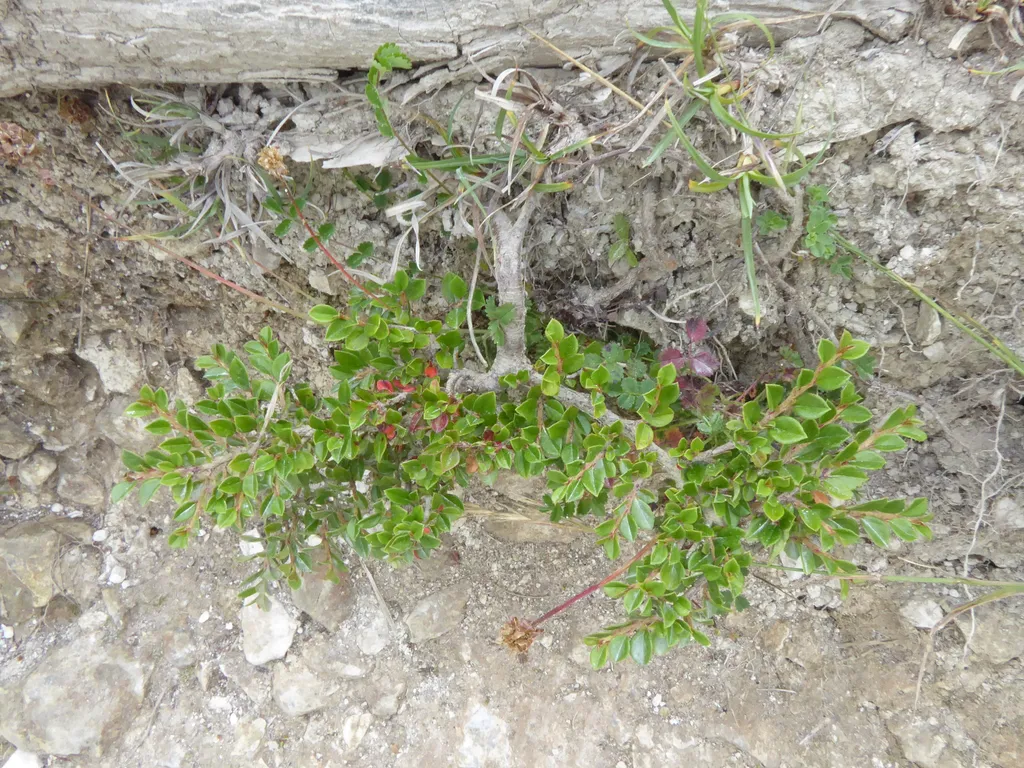
Scientific classification
- Species
- wall cotoneaster (Cotoneaster horizontalis)
- Genus
- Cotoneaster
- Family
- Rosaceae
- Fruit are ornamental - not to be eaten. Wear gloves and other protective equipment when handling
- Toxicity
- Shrubs
- Plant type
- 0.5-1 metres
- Height
- 1-1.5 metres
- Spread
- Deciduous
- Foliage
- Trailing
- Habit
- Autumn · Spring · Summer
- Season of interest
- Full sun
- Sunlight
- 15 – 25 °C
- Ideal temperature









wall cotoneaster pictures
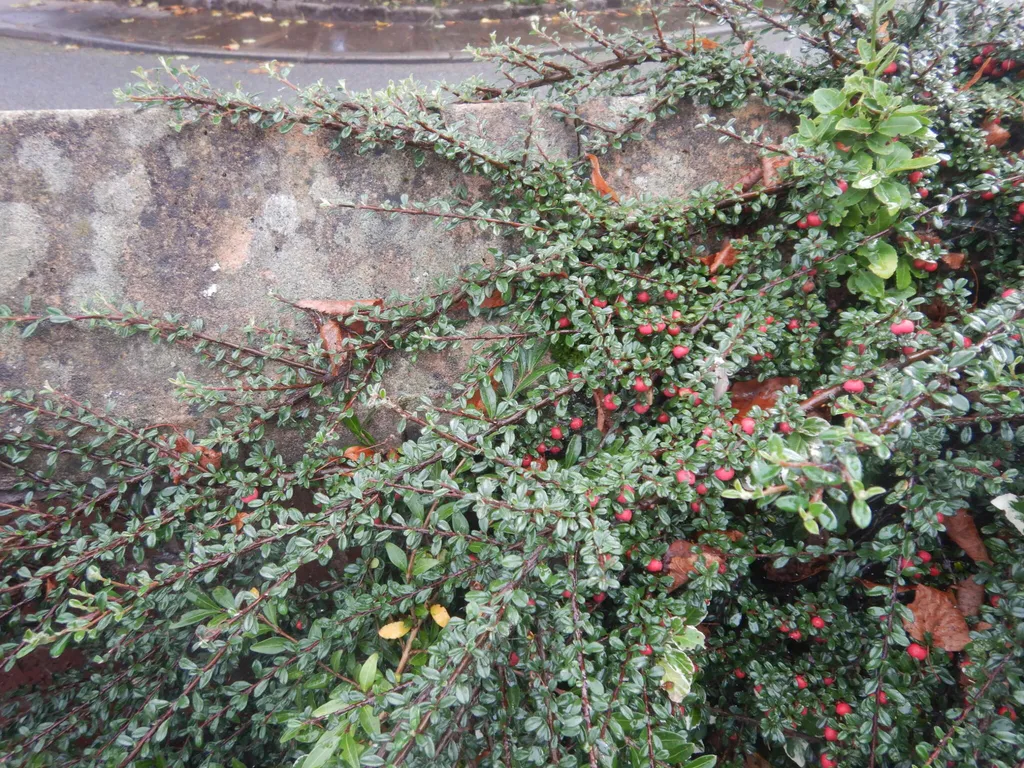
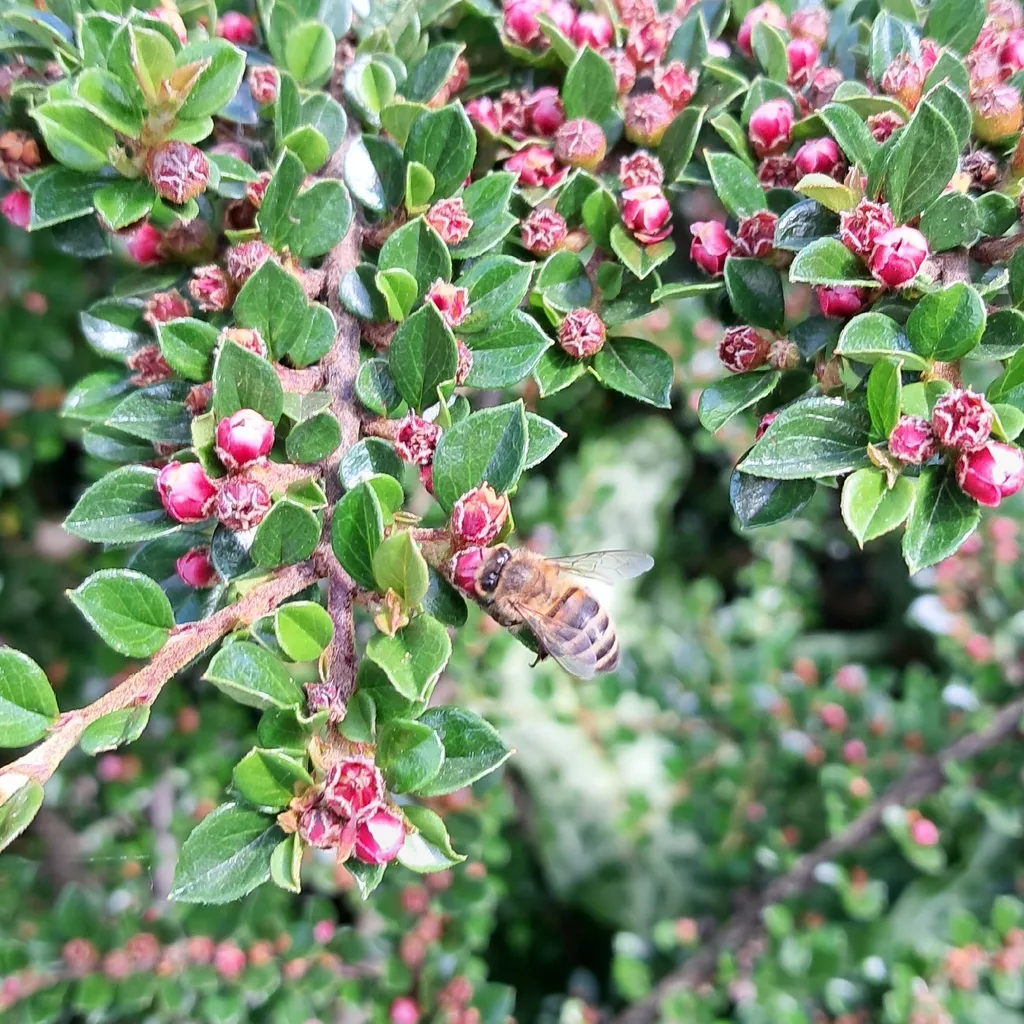
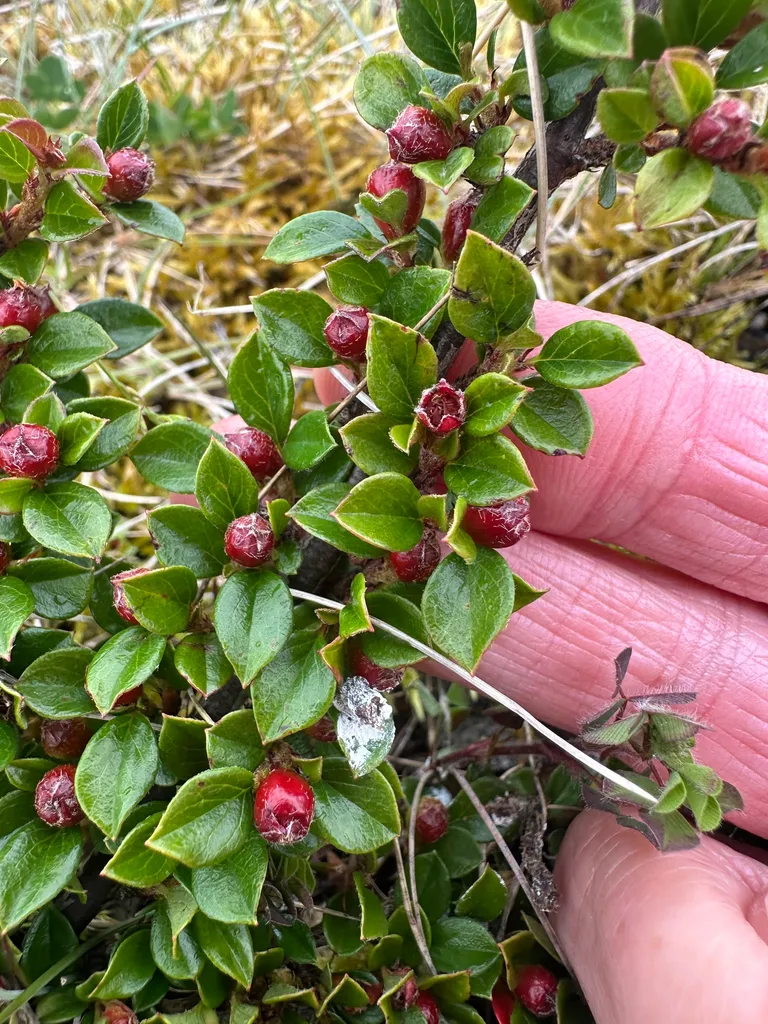
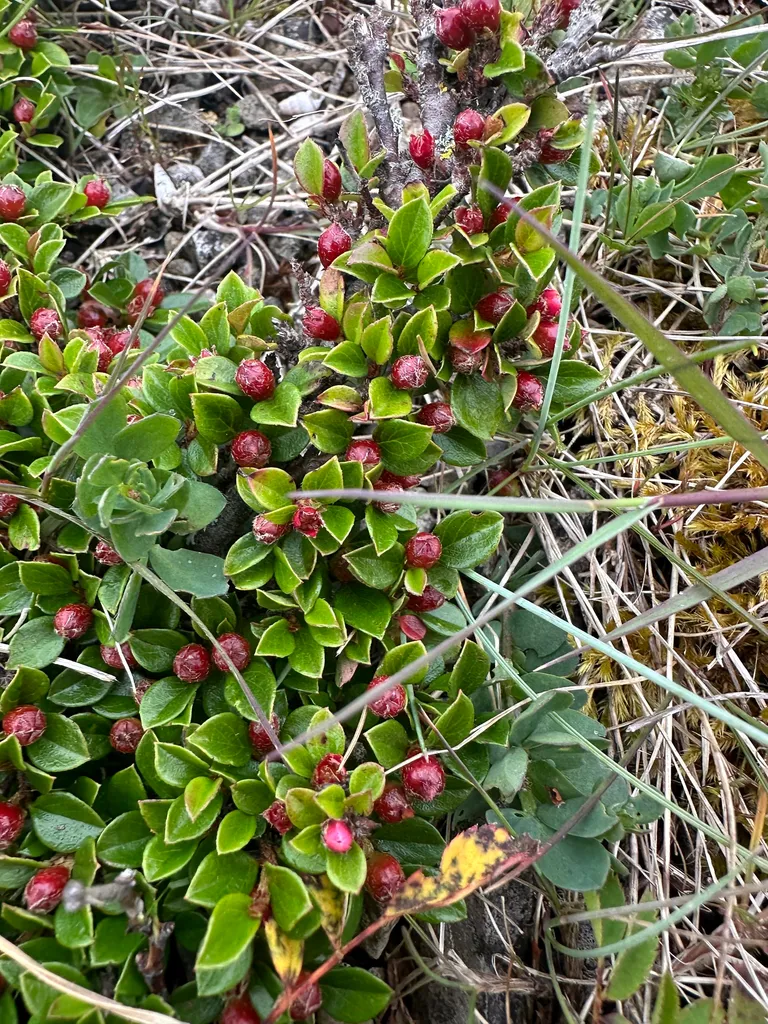
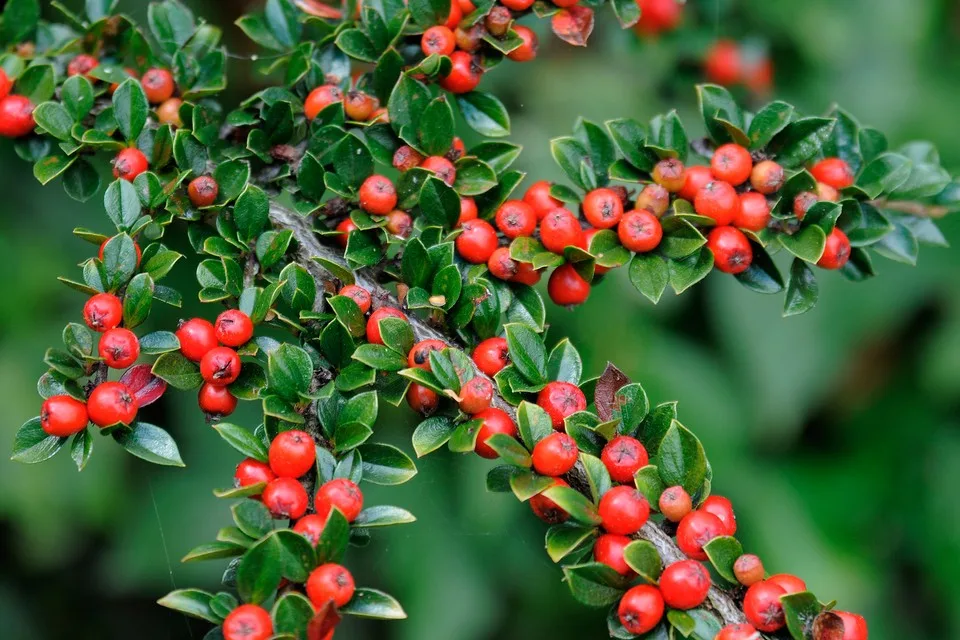
Distribution of wall cotoneaster
Distribution map
Western China, Taiwan
Information to be completed
Culture
Information to be completed
Toxicity
Fruit are ornamental - not to be eaten. Wear gloves and other protective equipment when handling
Quick identification of wall cotoneaster
Information to be completed
wall cotoneaster care guide
- Water moderately, allow soil to dry between waterings
- Watering
- Full sun
- Sunlight
- 15 – 25 °C
- Ideal temperature

Watering
Water moderately, allow soil to dry between waterings
Fertilizing
 Fertilizing
Once in spring with balanced slow-release fertilizer
Pruning
 Pruning
Little pruning is needed. Remove diseased, damaged, crowded or crossing shoots and unwanted growth. Timing depends on the plant: generally late winter or early spring; plants prone to bleeding and deciduous magnolias need different timing, and deciduous azaleas and lilacs are pruned after flowering.
Propagation
 Propagation
Please see cultivation notes
Growing
 Growing
This plant is listed on Schedule 9 of the UK Wildlife & Countryside Act as an invasive non-native species. Although not banned from sale, it is an offence to plant or cause these to grow in the wild IN ENGLAND AND WALES. Gardeners possessing them should undertake measures to control them. See RHS advice on invasive non-native species for further information
People also ask
Information to be completed
Common pests and diseases
Diseases
May be susceptible to fireblight and honey fungus
Pests
May be susceptible to scale insects, Cotoneaster webber caterpillar, aphids and woolly aphid
Explore the plant health library →




