



Planting and Growing anise hyssop 'Alabaster'

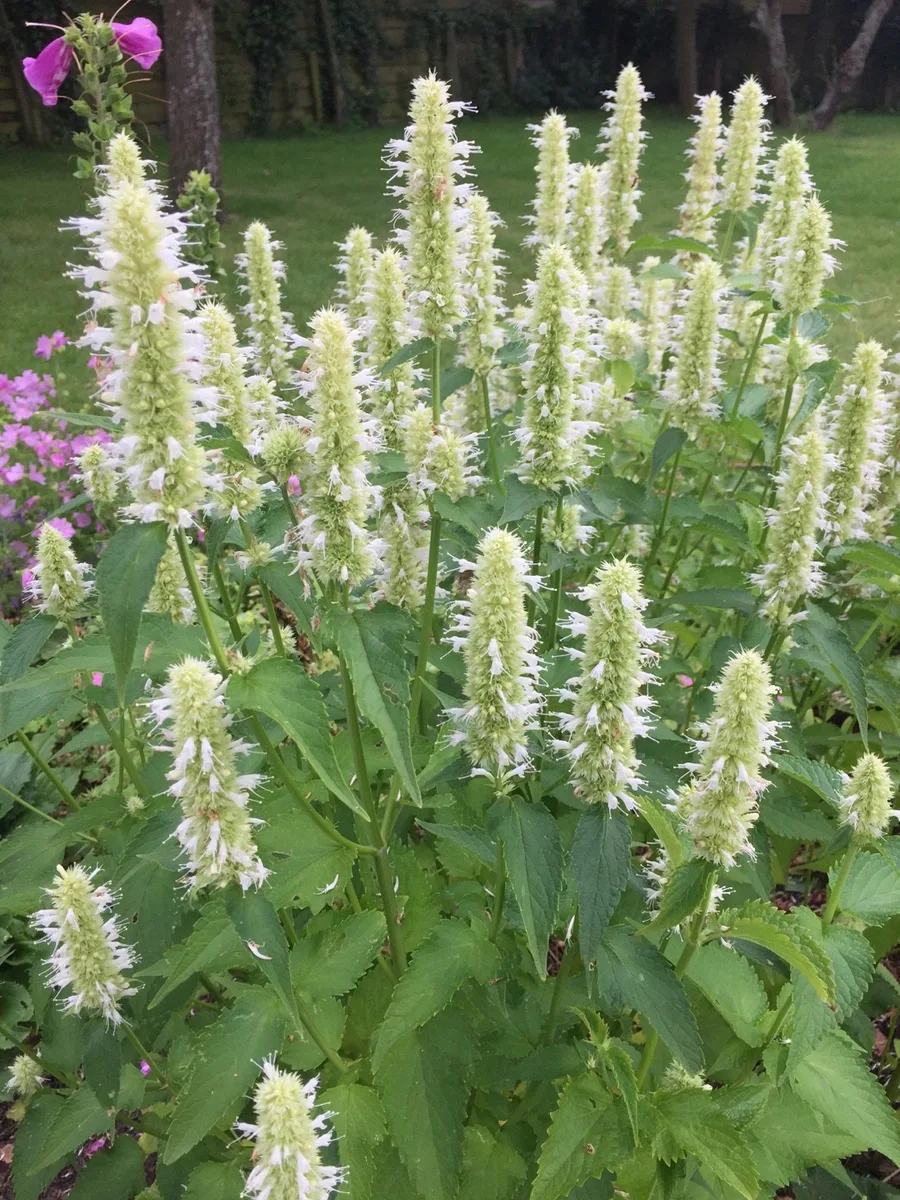
| Care difficulty | 2 / 5 |
|---|---|
| Watering schedule | Keep soil consistently moist for steady leafy growth without drought stress |
| Sunlight requirements | Full sun |
| Ideal temperature | Information to be completed |
| Soil type | Chalk · Loam · Sand |
| Soil pH | Acid · Alkaline · Neutral |
| Soil moisture | Well drained |
| Fertilizing | Nitrogen-rich vegetable feed every two to three weeks in active growth |
| Toxicity | Information to be completed |
How to Water anise hyssop 'Alabaster'?
Keep soil consistently moist for steady leafy growth without drought stress
Learn more →What Are the Sunlight Requirements for anise hyssop 'Alabaster'?
Full sun
Learn more →What Soil Is Best for anise hyssop 'Alabaster'?
- Soil type
- Chalk · Loam · Sand
- Soil pH
- Acid · Alkaline · Neutral
What Are the Moisture Requirements for anise hyssop 'Alabaster'?
Well drained
Learn more →How to Fertilize anise hyssop 'Alabaster'?

Nitrogen-rich vegetable feed every two to three weeks in active growth
Learn more →How to Prune anise hyssop 'Alabaster'?

Remove spent flowering spikes throughout season. Do not cut back in the autumn if you wish to leave the seedheads for wildlife
Learn more →How to Propagate anise hyssop 'Alabaster'?

Propagate by seed or by division in spring
Learn more →How to Plant anise hyssop 'Alabaster'?
Grow in sharply drained, fertile soil in full sun
Learn more →Common Pests & Diseases

Diseases
May be susceptible to powdery mildews
Pests
Generally pest-free
Explore the plant health library →