



Planting and Growing curly wood sage

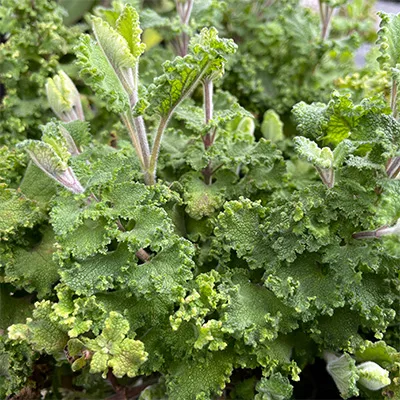
| Care difficulty | 3 / 5 |
|---|---|
| Watering schedule | Let top layer dry before watering deeply, well drained growing medium |
| Sunlight requirements | Full sun |
| Ideal temperature | Information to be completed |
| Soil type | Chalk · Clay · Loam · Sand |
| Soil pH | Alkaline · Neutral |
| Soil moisture | Moist but well drained · Well drained |
| Fertilizing | Weak all-purpose liquid feed every month in active growth months |
| Toxicity | Harmful if eaten. Wear gloves and other protective equipment when handling LJD |
How to Water curly wood sage?
Let top layer dry before watering deeply, well drained growing medium
Learn more →What Are the Sunlight Requirements for curly wood sage?
Full sun
Learn more →What Soil Is Best for curly wood sage?
- Soil type
- Chalk · Clay · Loam · Sand
- Soil pH
- Alkaline · Neutral
What Are the Moisture Requirements for curly wood sage?
Moist but well drained · Well drained
Learn more →How to Fertilize curly wood sage?

Weak all-purpose liquid feed every month in active growth months
Learn more →How to Prune curly wood sage?

No pruning required. Tidy in spring when fresh growth appears
Learn more →How to Propagate curly wood sage?

Propagate by softwood cuttings in early summer or semi-ripe cuttings in mid-summer. Rooted cuttings will need protection in a greenhouse or cold frame through winter
Learn more →How to Plant curly wood sage?
Grow in well-drained preferably neutral to alkaline soil in full sun
Learn more →Common Pests & Diseases

Diseases
Generally disease-free
Pests
Generally pest-free
Explore the plant health library →The Toxicity of curly wood sage
Harmful if eaten. Wear gloves and other protective equipment when handling LJD