



Planting and Growing Vitex agnus-castus Pink Pinnacle ('V07-sc-op-4')

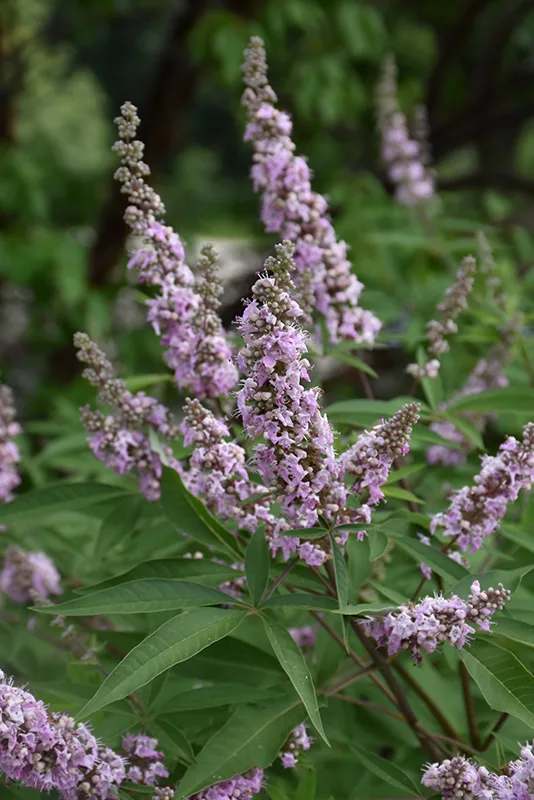
| Care difficulty | 3 / 5 |
|---|---|
| Watering schedule | Moderate consistent irrigation, deep soak roots summer dry hot weather |
| Sunlight requirements | Full sun |
| Ideal temperature | Information to be completed |
| Soil type | Chalk · Loam · Sand |
| Soil pH | Acid · Alkaline · Neutral |
| Soil moisture | Moist but well drained · Well drained |
| Fertilizing | Balanced flowering shrub feed once yearly early spring growth stage |
| Toxicity | Information to be completed |
How to Water Vitex agnus-castus Pink Pinnacle ('V07-sc-op-4')?
Moderate consistent irrigation, deep soak roots summer dry hot weather
Learn more →What Are the Sunlight Requirements for Vitex agnus-castus Pink Pinnacle ('V07-sc-op-4')?
Full sun
Learn more →What Soil Is Best for Vitex agnus-castus Pink Pinnacle ('V07-sc-op-4')?
- Soil type
- Chalk · Loam · Sand
- Soil pH
- Acid · Alkaline · Neutral
What Are the Moisture Requirements for Vitex agnus-castus Pink Pinnacle ('V07-sc-op-4')?
Moist but well drained · Well drained
Learn more →How to Fertilize Vitex agnus-castus Pink Pinnacle ('V07-sc-op-4')?

Balanced flowering shrub feed once yearly early spring growth stage
Learn more →How to Prune Vitex agnus-castus Pink Pinnacle ('V07-sc-op-4')?

Shorten last year's flowering stems to one or two buds from the older woody framework. Remove thin, weak and dead shoots. Prune in early to mid-spring as growth resumes; avoid winter pruning that exposes new shoots to frost.
Learn more →How to Propagate Vitex agnus-castus Pink Pinnacle ('V07-sc-op-4')?

Propagate by seed sown in autumn or spring, or take semi-ripe cuttings in summer
Learn more →How to Plant Vitex agnus-castus Pink Pinnacle ('V07-sc-op-4')?
Grow in any well-drained soil in full sun. In frost-prone areas shelter from cold, drying winds. Best grown near a south or west-facing wall
Learn more →Common Pests & Diseases

Diseases
May be susceptible to honey fungus in gardens where it is present but insufficient data to determine degree of susceptibility
Pests
Generally pest-free
Explore the plant health library →