



Planting and Growing Japanese sago palm

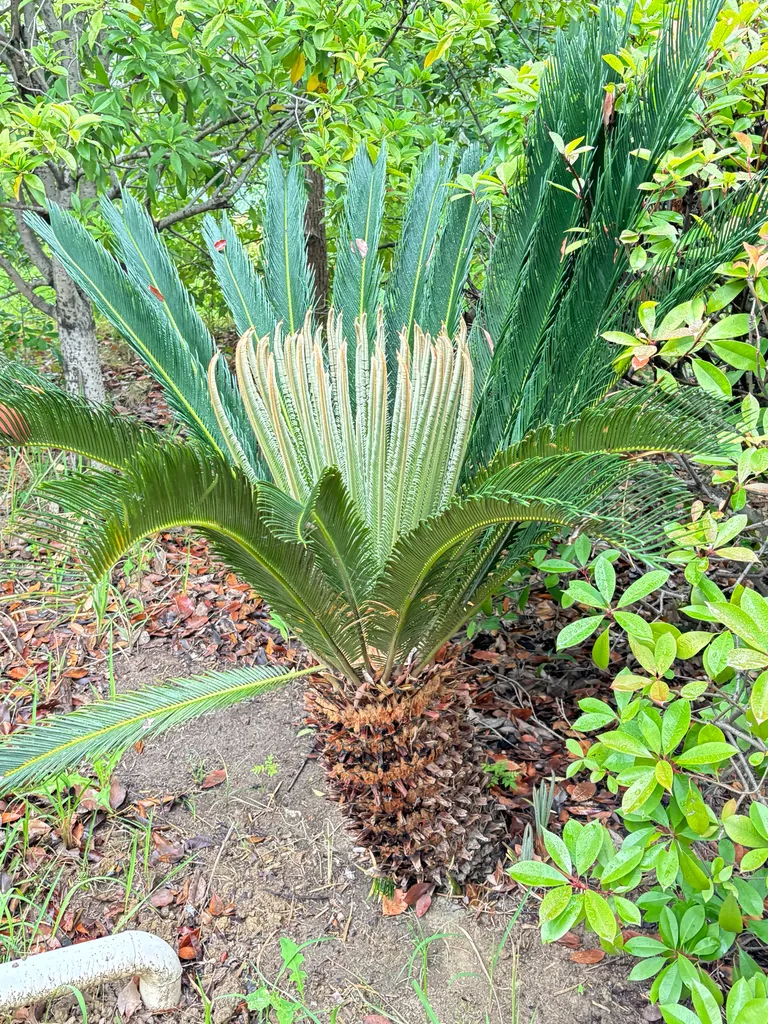
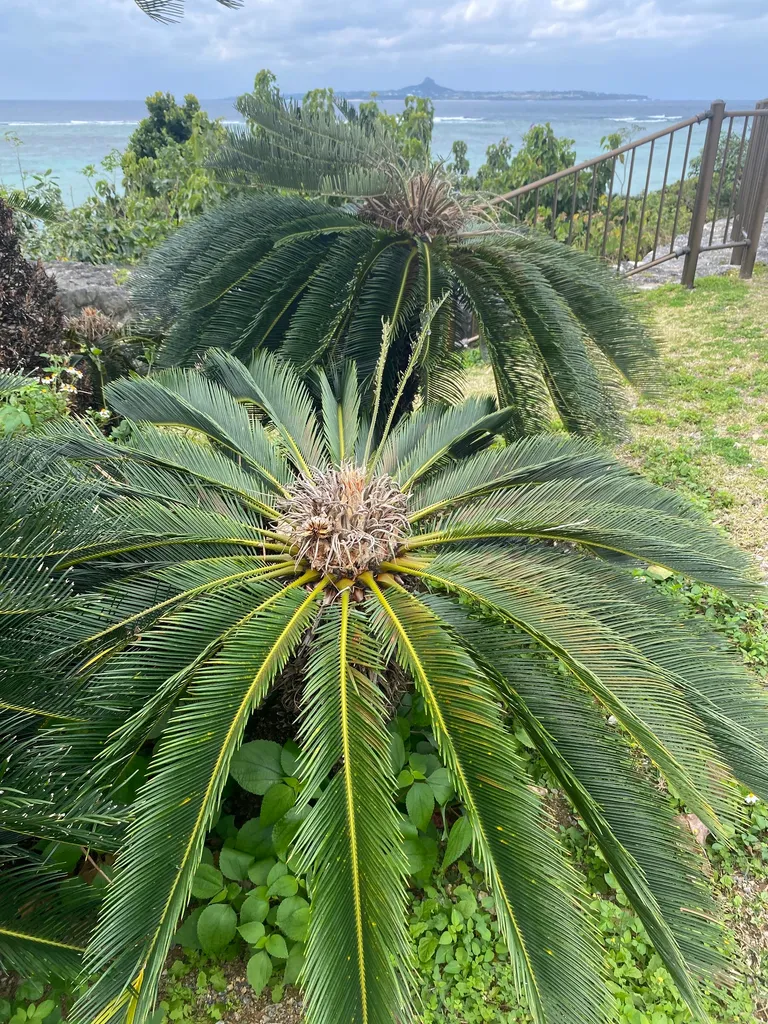
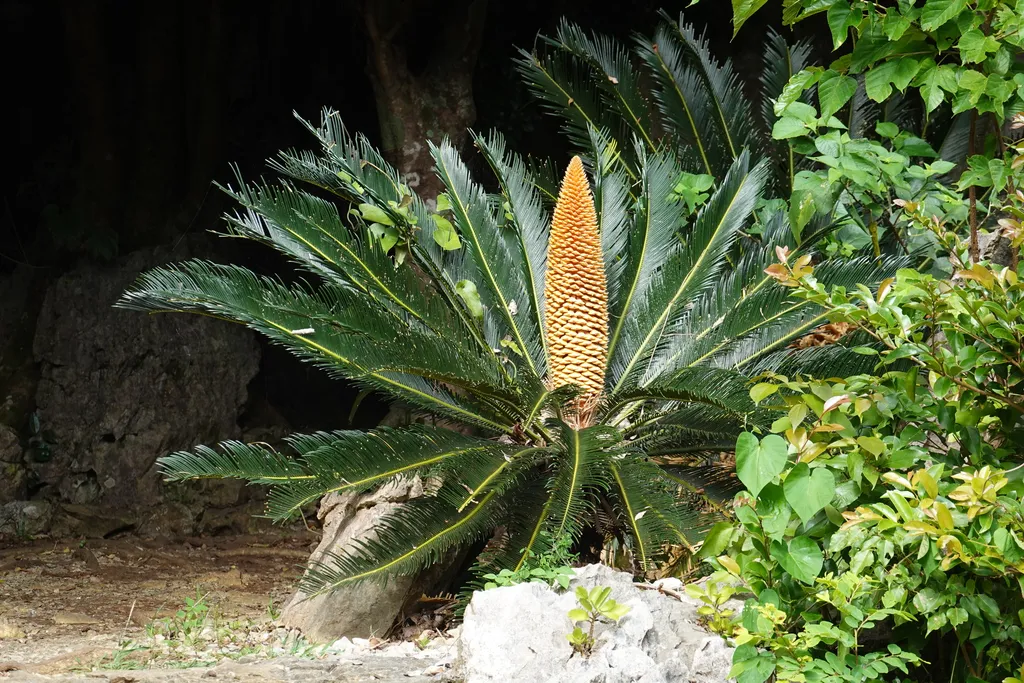
| Care difficulty | 2 / 5 |
|---|---|
| Watering schedule | Moderate regular watering, allowing brief slight drying between soakings |
| Sunlight requirements | Partial shade |
| Ideal temperature | 15 – 25 °C |
| Soil type | Loam |
| Soil pH | Acid · Neutral |
| Soil moisture | Moist but well drained |
| Fertilizing | Balanced perennial feed every four weeks from spring through summer |
| Toxicity | Harmful if eaten, skin irritant. Wear gloves and other protective equipment when handling] |
How to Water Japanese sago palm?
Originating from the dry, subtropical regions, sago palm has adapted to thrive with minimal moisture, exhibiting notable drought tolerance. In its natural habitat, it is accustomed to periods of scarce rainfall, leading to a preference for drier conditions. Consequently, sago palm requires watering once every 1-2 weeks to maintain its health without over-saturating the soil. As an evergreen plant that retains its foliage year-round, sago palm benefits from consistent moisture levels but is forgiving if watering schedules vary due to its resilience in handling water stress.
Learn more →What Are the Sunlight Requirements for Japanese sago palm?
Sago palm thrives in environments with partial sun, where it receives dappled or filtered light for most of the day. While sago palm adapts well to full sun, especially in more temperate climates, prolonged exposure can lead to leaf discoloration and scorching. Conversely, in full shade, sago palm's growth may be stunted, with potential for weaker, elongated fronds. Sago palm has evolved to adjust its leaves towards favorable light conditions, enhancing photosynthesis efficiency. Outdoors, sago palm should be planted in a location where it will be protected from the harsh midday sun, ensuring a blend of light and shade for optimal health and growth.
Learn more →What Is the Ideal Temperature Range for Japanese sago palm?

Sago palm displays remarkable resilience to temperature variations, tolerating cold down to -5℃ (23℉) and heat up to 43℃ (109℉). This adaptability necessitates protective measures in extreme cold, such as mulching or using frost cloths, and ensuring adequate irrigation during scorching heat. Symptoms of cold stress include yellowing and drooping fronds, while heat stress may manifest as burnt or crispy leaves. To counteract these conditions, provide extra warmth or coolness, respectively, and maintain consistent watering practices. Sago palm's temperature tolerance makes it suitable for diverse climates, provided adequate care is taken during weather extremes.
Learn more →What Soil Is Best for Japanese sago palm?
The sago palm prefers its soil to be kept on the dry side, rather than being consistently wet or damp. Drainage is very important for the sago palm, so you will need to improve this if you plan on planting it in clay soil. The sago palm loves rich soils, so adding an organic compost twice or three times a year will keep the plant happy, while also improving drainage. The sago palm thrives in almost-neutral soil, with the ideal pH ranging from 6.5 to 7.0.
- Soil type
- Loam
- Soil pH
- Acid · Neutral
What Are the Moisture Requirements for Japanese sago palm?
Moist but well drained
Learn more →How to Fertilize Japanese sago palm?

For sago palm, use balanced nutrition fertilizers with equal NPK ratios to support robust frond growth. Fertilize every 1-2 months during active growth in spring and summer, scaling back in fall and abstain in winter. Apply as per package instructions, avoiding over-fertilization which can damage roots. Periodic fertilization ensures healthy, vigorous foliage and stabilizes root development. Encapsulate granules into the soil near the drip line but not against the trunk to prevent burn. Always water sago palm deeply post-fertilization to aid nutrient absorption and prevent root burn.
Learn more →How to Prune Japanese sago palm?

Characterized by its stiff, feather-like leaves and slow growth, sago palm requires minimal pruning. Trim dead or yellowed fronds in early to late winter to maintain a tidy appearance and promote healthy growth. Use sterilized tools to avoid disease transmission. Avoid cutting green fronds to ensure optimal photosynthesis. Pruning encourages new growth and enhances the plant's structural integrity, making it more resistant to pests. Always wear gloves to protect against the plant's sharp leaf tips.
Learn more →How to Propagate Japanese sago palm?

Sago palm is best propagated through cutting and layering techniques during spring and summer. Propagation may be moderately difficult, with successful signs including roots emerging and new growth. Only use healthy parent material for optimal results.
Learn more →How to Transplant Japanese sago palm?
The best time to transplant sago palm is during the golden period of late spring to early summer, as the plant benefits from warmer temperatures and stable growth. Choose a bright, well-drained spot for sago palm to thrive, and always handle its delicate root system with care.
Learn more →How to Care for Japanese sago palm in Winter?

Sago palm naturally thrives in warm, tropical environments, struggling in cold winters. Its native endurance adapts rather poorly to frost. To ensure sago palm survives the winter, gardeners must provide indoor care or heavy mulching in milder climates. Water sparingly, guard against pests, and ensure proper light exposure, imitating its subtropical home for the best over-winter success.
Learn more →How to Plant Japanese sago palm?
Indoors-potted: Thriving indoors, sago palm brings a prehistoric touch to your space. Rotate the pot occasionally to ensure symmetrical growth. Outdoors-potted: Sago palm appreciates being outdoors in warm seasons. Ensure good drainage to prevent root rot while enjoying its stately presence. Outdoors-in the ground: In temperate regions, sago palm may struggle with cold; consider protection or moving potted ones inside during harsh winters.
Learn more →How to Repot Japanese sago palm?
Repot sago palm every 2-3 years in spring to accommodate its slow growth and avoid root-bound stress. Use a deep pot that allows the taproot to develop. Post-repotting, prioritize well-draining soil and avoid watering immediately to prevent root rot. Offer bright, indirect light for recovery. These slow-growing, sturdy cycads appreciate careful attention during repotting for sustained health.
Learn more →Common Pests & Diseases

Diseases
Generally disease-free
Pests
Generally pest-free outdoors, but may be susceptible to glasshouse red spider mite under glass
Explore the plant health library →Troubleshooting
Brown Frond Tips or Yellowing Fronds
Japanese sago palm (Cycas revoluta) develops brown tips or yellowing fronds from dry indoor air, soluble salt accumulation, overwatering, or micronutrient deficiencies.
| What you notice | Possible explanation | What to check next |
|---|---|---|
| Frond leaflet tips turn dry and brown while the rest of the frond stays green | Low indoor humidity, underwatering, or soluble salt/fluoride buildup from tap water | Check soil moisture and evaluate air dryness near vents |
| Lower oldest fronds turn uniformly yellow-brown while the central spear or crown remains firm | Natural senescence of oldest fronds as new fronds emerge | Confirm that the newest central frond spear is healthy and green |
| New flush fronds emerge stunted, twisted, or pale yellow-orange ('frizzle top') | Manganese or potassium deficiency, or soggy root stress in Cycas revoluta | Check drainage and review cycad micronutrient feeding |
- Use a well-draining loam-based compost amended with grit or perlite in a container with clear drainage holes.
- Water thoroughly when the top inch of mix feels dry (letting gritty cycad soil dry slightly more between waterings) and empty saucers promptly.
- Place in bright, filtered light and avoid cold drafts below 10–13°C (50–55°F).
- Trim dead brown fronds cleanly at the base only after they have fully yellowed, leaving green fronds intact to nourish the plant.
Keep Cycas revoluta strictly away from dogs, cats, and children at all times—every part, especially seeds, is lethally toxic if ingested.
Spider Mites, Scale Insects, or Sooty Mold
Indoor palms and cycads are susceptible to spider mites in dry air and armored/soft scale insects along frond midribs.
| What you notice | Possible explanation | What to check next |
|---|---|---|
| Fine webbing and pale speckled stippling on frond undersides | Spider mites thriving in warm, dry indoor air | Inspect frond undersides and wipe with a damp white cloth |
| White or brown crusty scale bumps clustered on leaflet undersides or stems, sometimes with black sooty mold | Scale insects (including Asian cycad scale) or mealybugs | Examine leaflet midribs and stem bases closely |
- Isolate infested plants immediately from other indoor foliage.
- Wipe fronds gently with a damp cloth and dab scale or mealybugs with rubbing alcohol on a cotton swab.
- Apply insecticidal soap or horticultural oil per product label directions, ensuring thorough coverage of frond undersides.
Wear thick gloves when pruning Cycas revoluta, as stiff leaflet tips are needle-sharp.
The Toxicity of Japanese sago palm
Harmful if eaten, skin irritant. Wear gloves and other protective equipment when handling]