
Japanese sago palm
Also known as: cycad
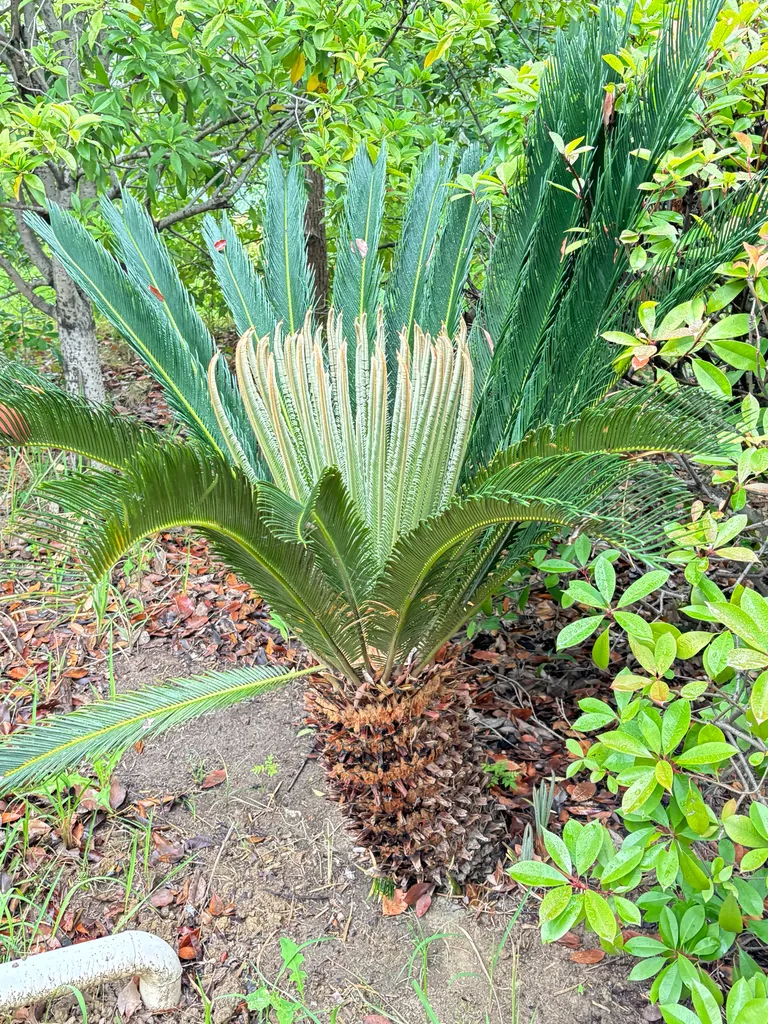
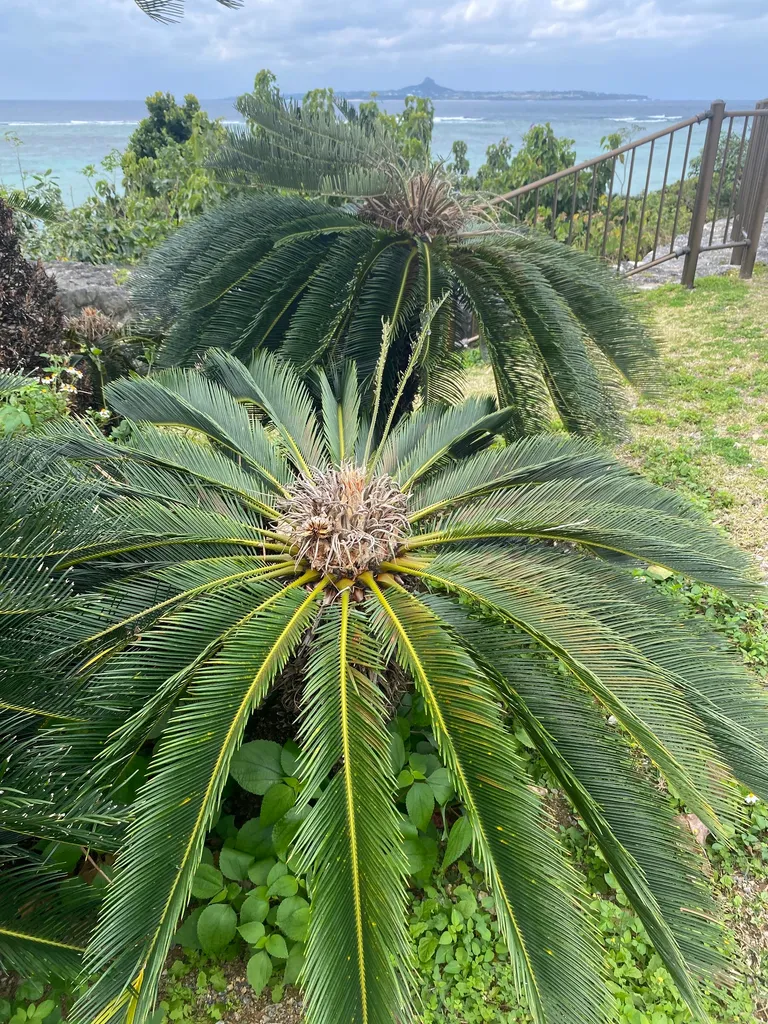
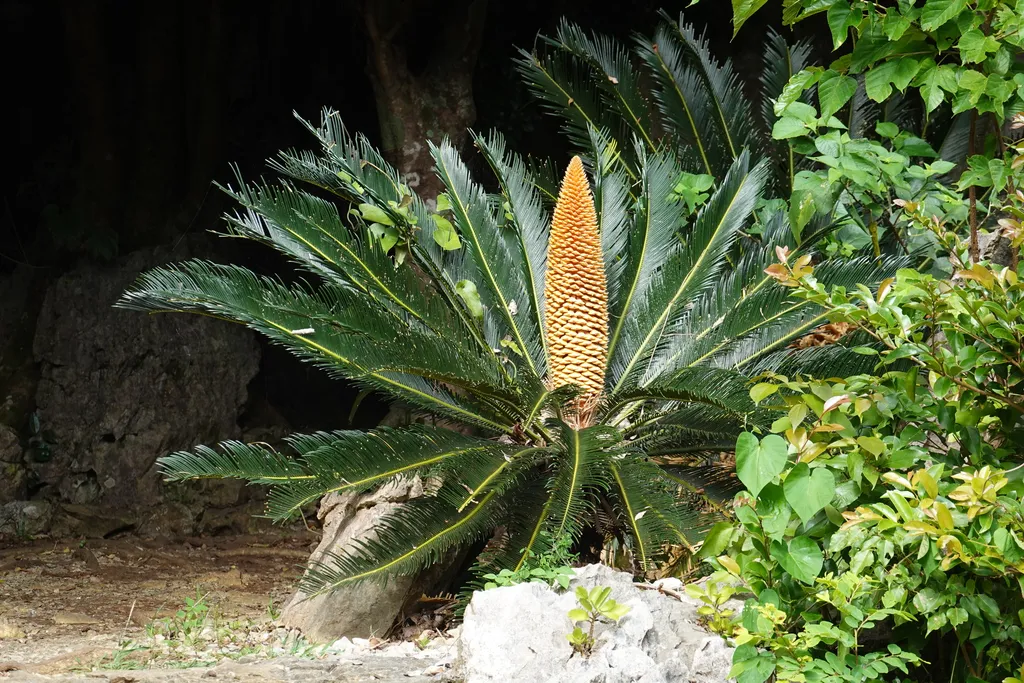
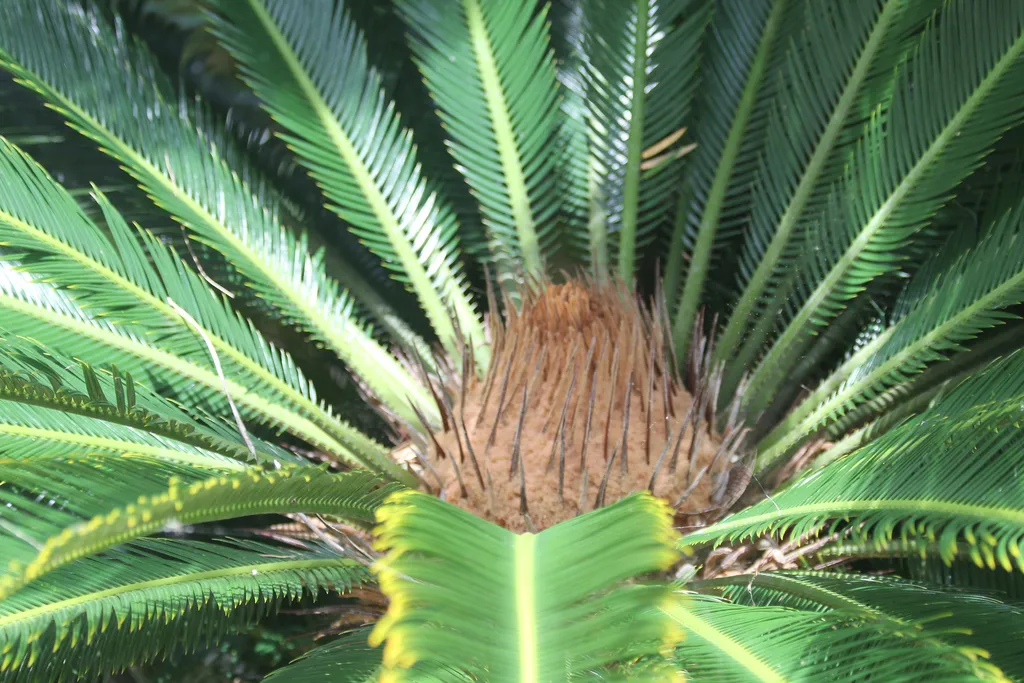
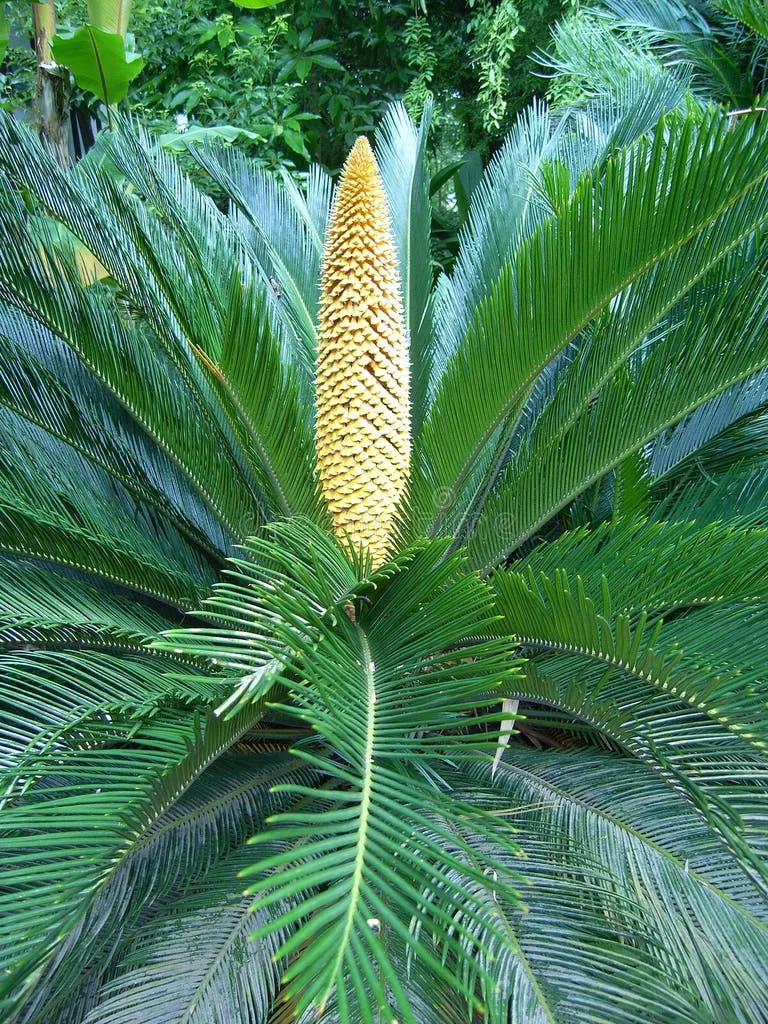
A slow-growing, palm-like evergreen perennial to 2m, with arching pinnate leaves to 1.5m in length, and golden-brown, ovoid inflorescences which are rarely seen except on mature plants
Scientific classification
- Species
- Japanese sago palm (Cycas revoluta)
- Genus
- Cycas
- Family
- Cycadaceae
- Order
- Cycadales
- Class
- Cycadopsida
- Phylum
- Cycadophyta
- Harmful if eaten, skin irritant. Wear gloves and other protective equipment when handling]
- Toxicity
- Palms · Conservatory Greenhouse
- Plant type
- 1-1.5 metres
- Height
- 1-1.5 metres
- Spread
- Evergreen
- Foliage
- Tufted
- Habit
- Spring · Summer · Autumn · Winter
- Season of interest
- Partial shade
- Sunlight
- 15 – 25 °C
- Ideal temperature









Japanese sago palm pictures

Distribution of Japanese sago palm
Distribution map
- Native
- Introduced
- Cultivated
Source:WCVP v16 · Royal Botanic Gardens, Kew · CC BY 3.0 · Boundaries:WGSRPD / TDWG
Toxicity
Harmful if eaten, skin irritant. Wear gloves and other protective equipment when handling]
Japanese sago palm care guide
- Moderate regular watering, allowing brief slight drying between soakings
- Watering
- Partial shade
- Sunlight
- 15 – 25 °C
- Ideal temperature

Watering
Moderate regular watering, allowing brief slight drying between soakings
Fertilizing
 Fertilizing
Balanced perennial feed every four weeks from spring through summer
Pruning
 Pruning
No pruning required
Propagation
 Propagation
Propagate by seed or suckers
Growing
 Growing
Grow under glass in a loam-based potting compost with additional leaf mould and grit; provide full light with shade from hot sun and moderate humidity. Water moderately in the growing season, sparingly at other times. Alternatively in frost free areas, grow in a moist but well-drained soil in bright light with some protection from full sun
Common pests and diseases
Diseases
Generally disease-free
Pests
Generally pest-free outdoors, but may be susceptible to glasshouse red spider mite under glass
Explore the plant health library →




