



Planting and Growing Bradbury's bergamot

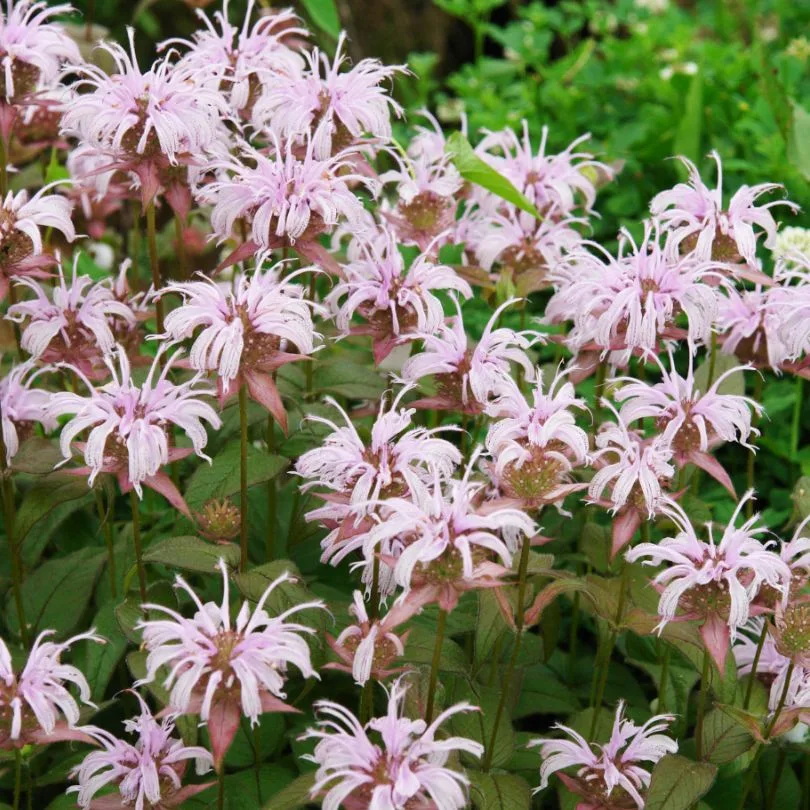
| Care difficulty | 3 / 5 |
|---|---|
| Watering schedule | Regular moderate watering, deep soak during hot dry weather |
| Sunlight requirements | Full sun |
| Ideal temperature | Information to be completed |
| Soil type | Loam · Sand |
| Soil pH | Acid · Alkaline · Neutral |
| Soil moisture | Moist but well drained · Well drained |
| Fertilizing | Weak mint family feed every month spring through early autumn |
| Toxicity | Information to be completed |
How to Water Bradbury's bergamot?
Regular moderate watering, deep soak during hot dry weather
Learn more →What Are the Sunlight Requirements for Bradbury's bergamot?
Full sun
Learn more →What Soil Is Best for Bradbury's bergamot?
- Soil type
- Loam · Sand
- Soil pH
- Acid · Alkaline · Neutral
What Are the Moisture Requirements for Bradbury's bergamot?
Moist but well drained · Well drained
Learn more →How to Fertilize Bradbury's bergamot?

Weak mint family feed every month spring through early autumn
Learn more →How to Prune Bradbury's bergamot?

Deadheading regularly should encourage more flowers. Cut stems down to the ground in autumn, or leave seed heads for winter structure
Learn more →How to Propagate Bradbury's bergamot?

Propagate by division in early spring, before new growth begins, or by basal softwood cuttings
Learn more →How to Plant Bradbury's bergamot?
Grow in well-drained soil in full sun or partial shade. More tolerant of poor, dry soil than most monardas, but protect from excessive winter wet . Lift and divide every three years
Learn more →Common Pests & Diseases

Diseases
Generally disease-free
Pests
May be susceptible to slugs, especially in spring
Explore the plant health library →