



Planting and Growing common hyacinth

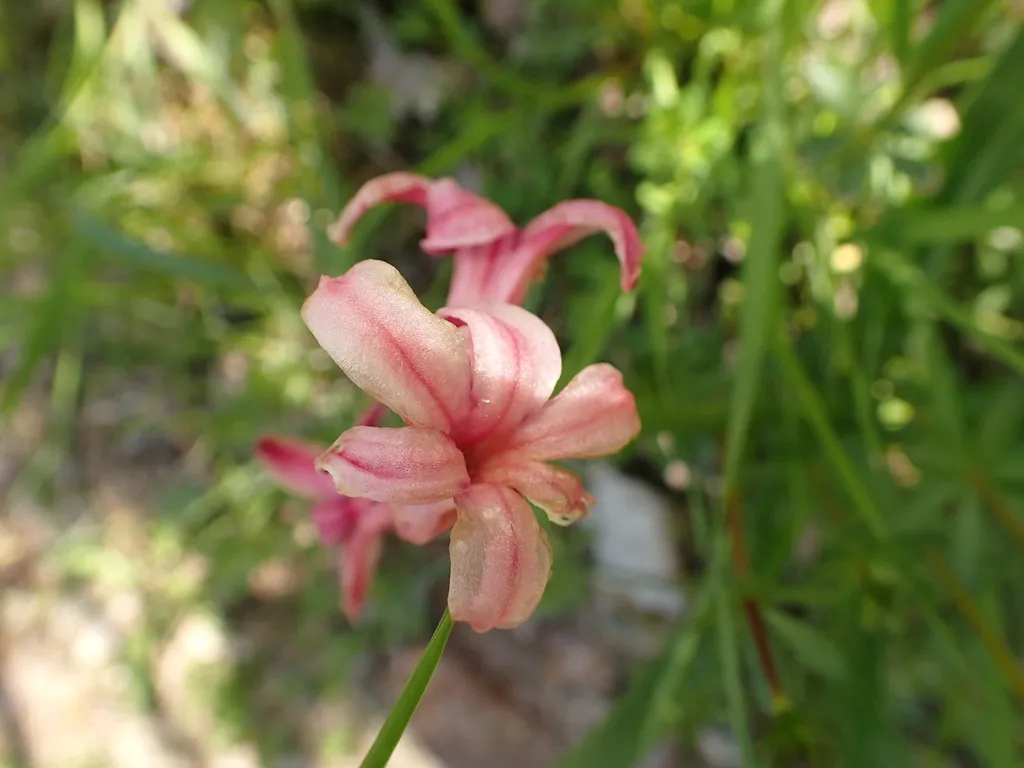
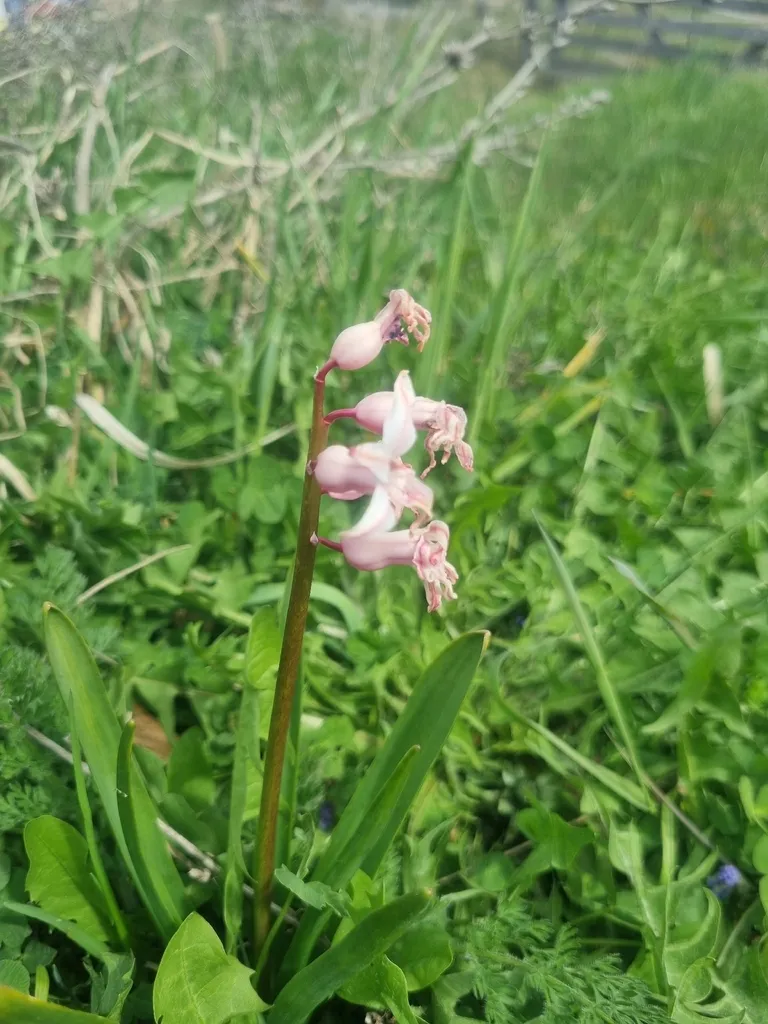
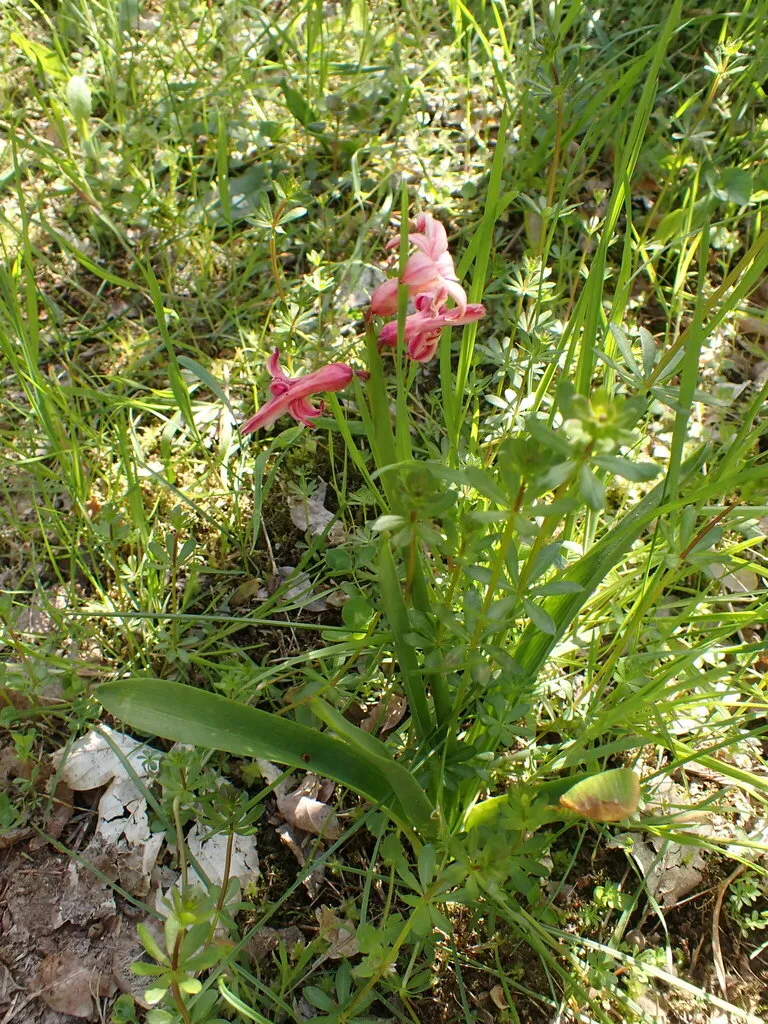
| Care difficulty | 2 / 5 |
|---|---|
| Watering schedule | Keep soil moist but well-drained |
| Sunlight requirements | Full sun · Partial shade |
| Ideal temperature | Information to be completed |
| Soil type | Chalk · Clay · Loam · Sand |
| Soil pH | Acid · Alkaline · Neutral |
| Soil moisture | Moist but well drained · Well drained |
| Fertilizing | Every two weeks during growing season |
| Toxicity | Skin irritant. Wear gloves and other protective equipment when handling |
How to Water common hyacinth?
Originating from the eastern Mediterranean, common hyacinth thrives in well-drained soils with moderate moisture, reflecting its adaptation to somewhat seasonal climates. This bulbous perennial has a preference for consistent moisture during its active growth phase but is moderately drought-tolerant once established. Watering should be done once every 1-2 weeks, ensuring soil hydration without waterlogging. Typically grown outdoors, common hyacinth benefits greatly from the spring rains that complement its growing season and enhance its vibrant flowering.
Learn more →What Are the Sunlight Requirements for common hyacinth?
Common hyacinth thrives under full sun conditions, requiring abundant light to foster robust growth and vibrant blooms. The ideal lighting encompasses direct sunlight for at least 6 hours a day. Despite its preference for full sun, common hyacinth displays a notable tolerance for partial sun locations, adapting to slightly reduced light without significant detriment to its health. In less than optimal sunlight, common hyacinth may experience subdued flowering and potential elongation of foliage as it seeks light. When planted outdoors, common hyacinth flourishes in sunny beds and borders. For indoor cultivation, positioning common hyacinth near south-facing windows can emulate its preferred environment, promoting flowering success and overall vitality.
Learn more →What Is the Ideal Temperature Range for common hyacinth?

Common hyacinth exhibits notable resilience to cold, enduring temperatures as low as -25℃ (-13℉), and has a heat tolerance up to 41℃ (106℉). Its robust temperature tolerance influences its care, necessitating protection during extreme cold with mulching or covering. In high heat, ensure adequate hydration and shade. Symptoms of stress include yellowing leaves and stunted growth when overheated, or wilted, discolored foliage if too cold. Overcooling countermeasures include insulating with mulch or bringing the plant indoors; for overheating, improve hydration, and provide partial shade.
Learn more →What Soil Is Best for common hyacinth?
Common hyacinth thrives in well-draining, loamy soil. A suitable mix would be equal parts potting mix, garden soil, and sand or perlite, to enhance drainage. For growth, incorporate slow-release bulb fertilizer at planting and mid-season. Proper drainage is essential to prevent bulb rot.
- Soil type
- Chalk · Clay · Loam · Sand
- Soil pH
- Acid · Alkaline · Neutral
What Are the Moisture Requirements for common hyacinth?
Moist but well drained · Well drained
Learn more →How to Fertilize common hyacinth?

For common hyacinth, balanced nutrition or high-phosphorus fertilizer boosts growth and vibrant blooms. Fertilize every 2-3 weeks during active growth using half-strength solution. In dormancy, withhold to prevent overfeeding. Apply with caution; excess can damage roots. Seasonal adjustments—increased frequency in spring, reduced in fall—are key for optimal health. Tips: water before fertilizing, ensure even distribution, and avoid foliage contact.
Learn more →How to Prune common hyacinth?

Common hyacinth features clusters of fragrant, colorful flowers and requires minimal pruning. Cut flower stems back to ground level after blooming seasons in early spring, helping to redirect energy to the bulbs for the next cycle. Removing yellowed foliage is essential to maintain plant health, though leaves should be left until completely withered. This technique promotes healthy regrowth and flowering. Consistent pruning can prevent diseases and enhance the plant's aesthetic appeal, aligning with best horticultural practices.
Learn more →How to Propagate common hyacinth?

Renowned for its vibrant blooms and sweet fragrance, common hyacinth boasts popularity among flower enthusiasts. Its cultivation thrives through the division method, which involves separating the bulb clusters after the foliage has withered. Gardeners carefully unearth the bulbs and detach the offsets, which are smaller bulbs that form at the base of the parent plant, to encourage new growth. Once separated, these offsets can be replanted to produce more common hyacinth, ensuring a continual display of its splendid flowers.
Learn more →How to Transplant common hyacinth?
The perfect time to transplant common hyacinth is during the initial days of spring, as it provides ample warmth and moisture. Find a well-draining location with sun to partial shade for best results. When necessary, ensure proper spacing and root protection for a successful transplant.
Learn more →How to Care for common hyacinth in Winter?

Information to be completed
Learn more →How to Plant common hyacinth?
Indoors-potted: Ensure common hyacinth has ample space to bloom indoors; its bulbs require room to develop strong root systems for vibrant flowers. Outdoors-potted: When potted outside, common hyacinth enjoys a seasonal display but protect from harsh conditions that can damage delicate blooms. Outdoors-in the ground: Common hyacinth's naturalizing tendency allows it to spread gracefully in garden beds, offering a perennial burst of color each spring.
Learn more →How to Repot common hyacinth?
The bulbous 'common hyacinth' thrives best when repotted every 2-3 years, ideally after flowering when dormant. Choose a pot slightly larger than the bulb cluster to allow for growth. Post-repotting, place in well-draining soil and provide moderate water. Avoid overwatering to prevent rot, ensuring a snug fit for the bulbs to support sturdy growth.
Learn more →How to Harvest common hyacinth?

Due to its pretty flowers, some like to harvest the common hyacinth for indoor floral displays. To do this, simply remove the flowering stalk as close to the ground as possible in spring.
Learn more →Common Pests & Diseases

Diseases
May be susceptible to fungal infections, including hyacinth fire, blue mould rot and sclerotinia diseases, to bacterial soft rot and hyacinth yellows, and to some virus diseases
Pests
May be susceptible to slugs and snails
Explore the plant health library →The Toxicity of common hyacinth
Skin irritant. Wear gloves and other protective equipment when handling