
common hyacinth
Also known as: hyacinth
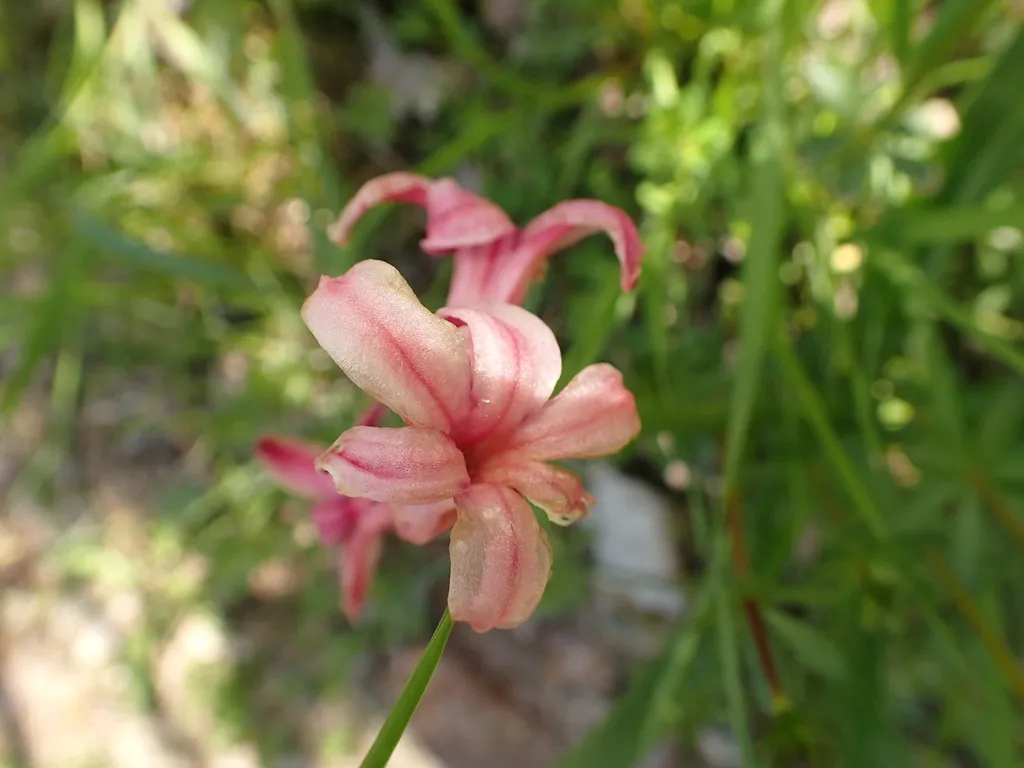
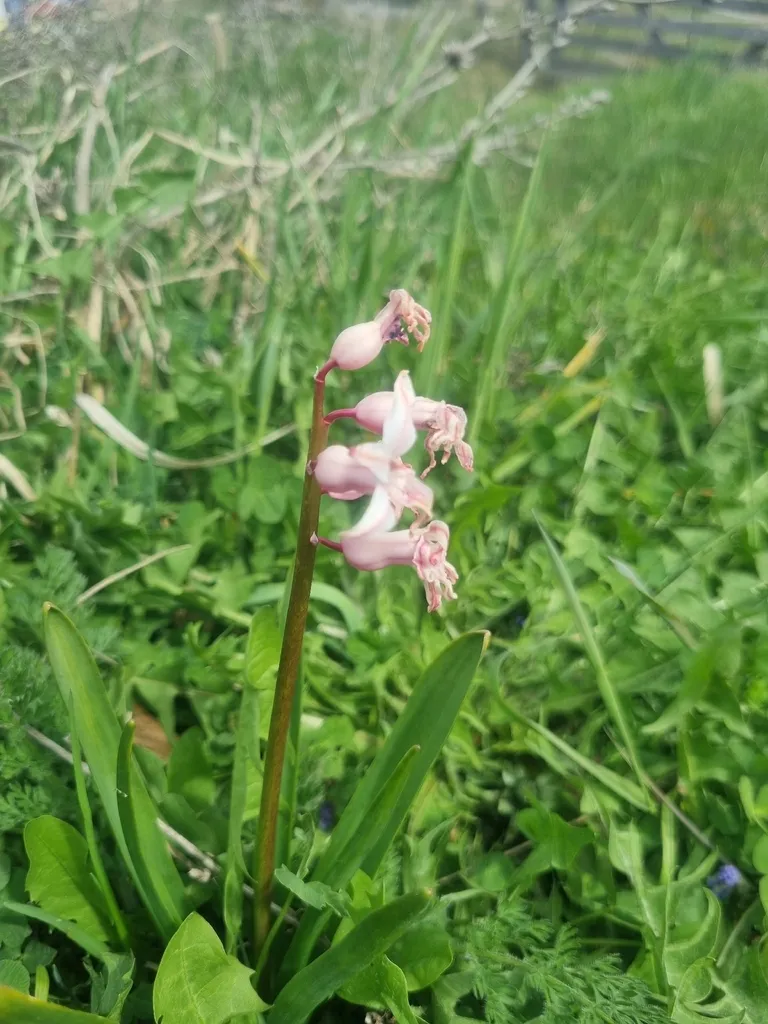
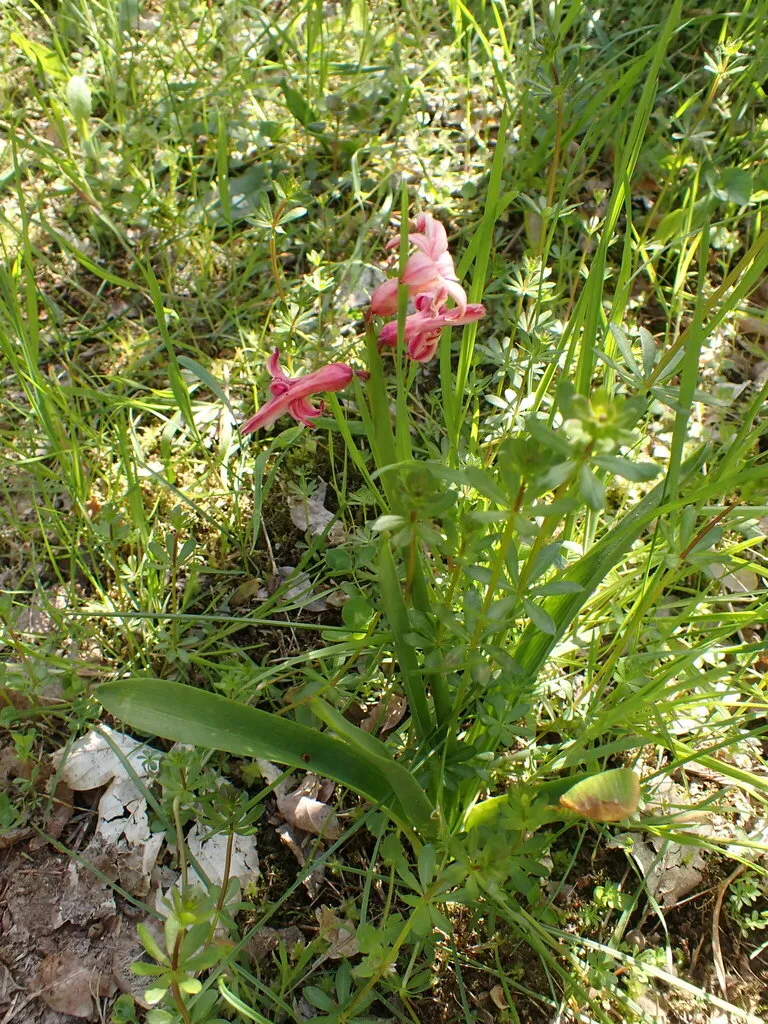
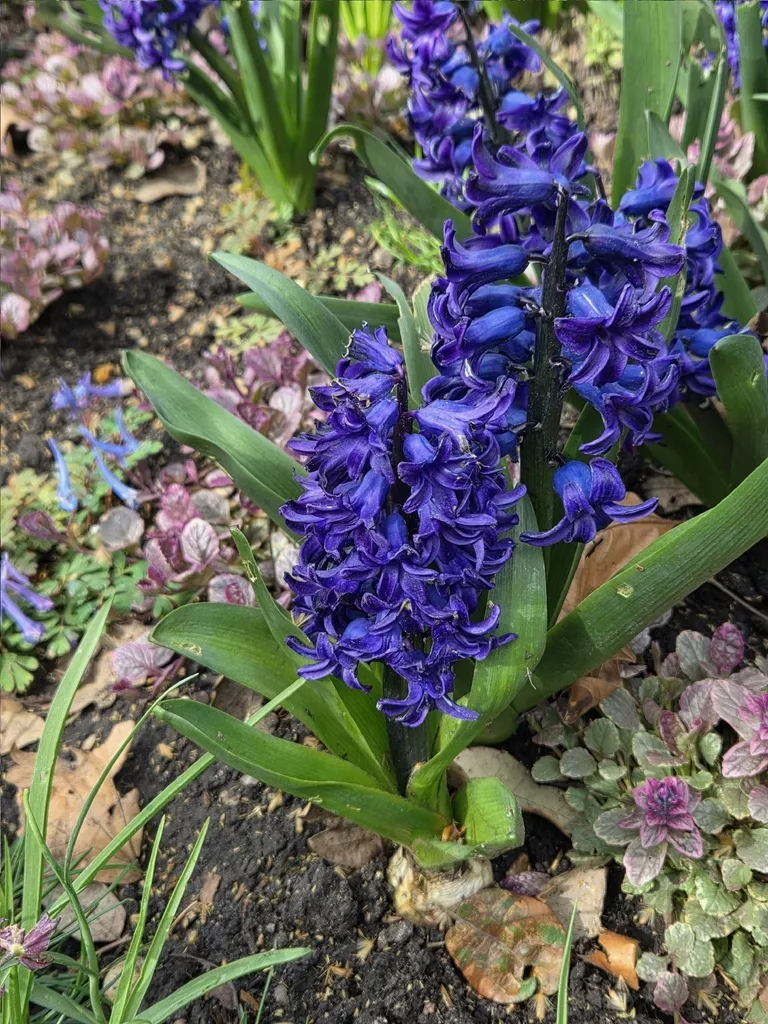
A bulbous perennial to around 30cm high, with strap-shaped, channeled, glossy leaves. In spring, produces a dense cylindrical spike of fragrant, waxy, tubular bell-shaped flowers, pale violet at the base and near white above
Scientific classification
- Species
- common hyacinth (Hyacinthus orientalis)
- Genus
- Hyacinthus
- Family
- Asparagaceae
- Skin irritant. Wear gloves and other protective equipment when handling
- Toxicity
- Bulbs · Conservatory Greenhouse · Houseplants
- Plant type
- 0.1-0.5 metres
- Height
- 0-0.1 metre
- Spread
- Deciduous
- Foliage
- Columnar upright
- Habit
- Spring
- Season of interest
- Full sun · Partial shade
- Sunlight
- Information to be completed
- Ideal temperature









common hyacinth pictures
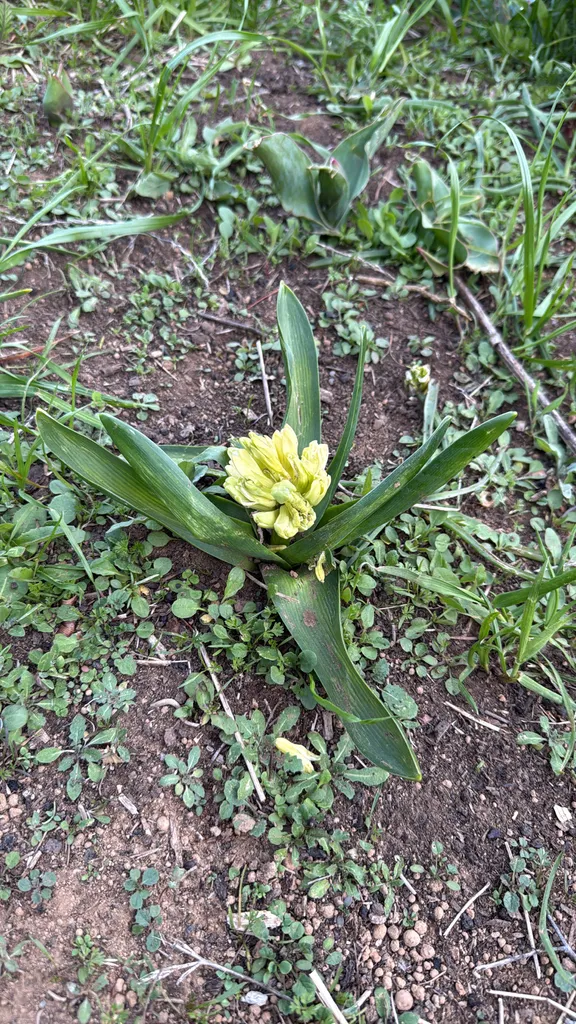
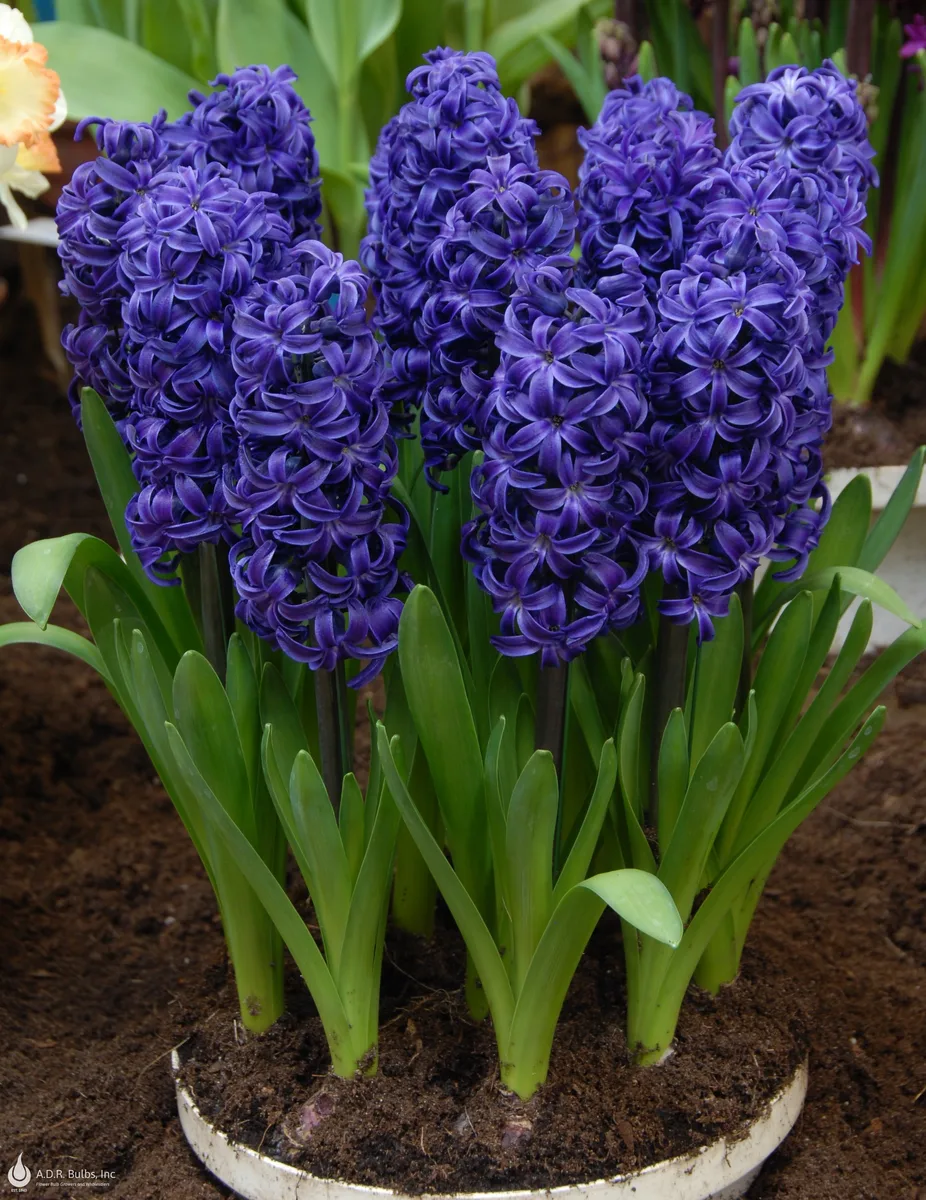
Distribution of common hyacinth
Distribution map
Turkey to Israel
Information to be completed
Culture
Information to be completed
Toxicity
Skin irritant. Wear gloves and other protective equipment when handling
Quick identification of common hyacinth
Information to be completed
common hyacinth care guide
- Keep soil moist but well-drained
- Watering
- Full sun · Partial shade
- Sunlight
- Information to be completed
- Ideal temperature

Watering
Keep soil moist but well-drained
Fertilizing
 Fertilizing
Every two weeks during growing season
Pruning
 Pruning
No pruning required; cut spent flower stems back to the base
Propagation
 Propagation
Propagate by division, separating offsets when dormant in summer
Growing
 Growing
Grow in moderately fertile soil with good drainage. Will tolerate partial shade but will not flower as well as in full sun. Protect container-grown plants from hard frosts and excess wet. Specially treated bulbs are available for earlier flowering indoors. See hyacinth cultivation for more detailed advice
People also ask
Information to be completed
Common pests and diseases
Diseases
May be susceptible to fungal infections, including hyacinth fire, blue mould rot and sclerotinia diseases, to bacterial soft rot and hyacinth yellows, and to some virus diseases
Pests
May be susceptible to slugs and snails
Explore the plant health library →




