



Planting and Growing common reed

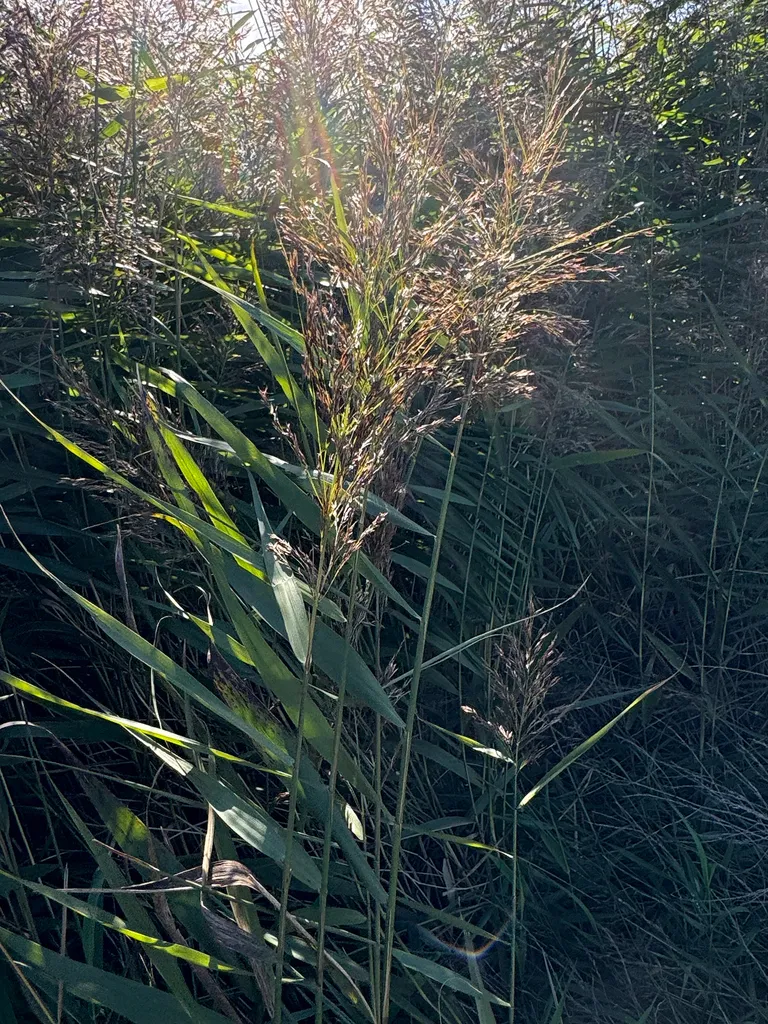
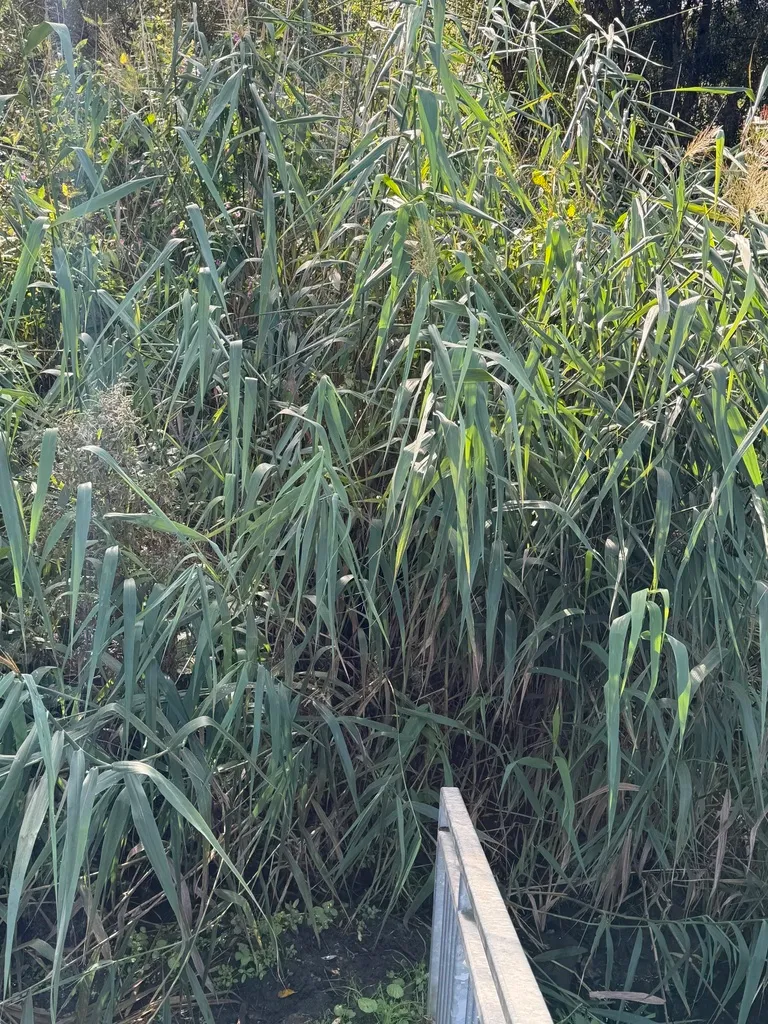
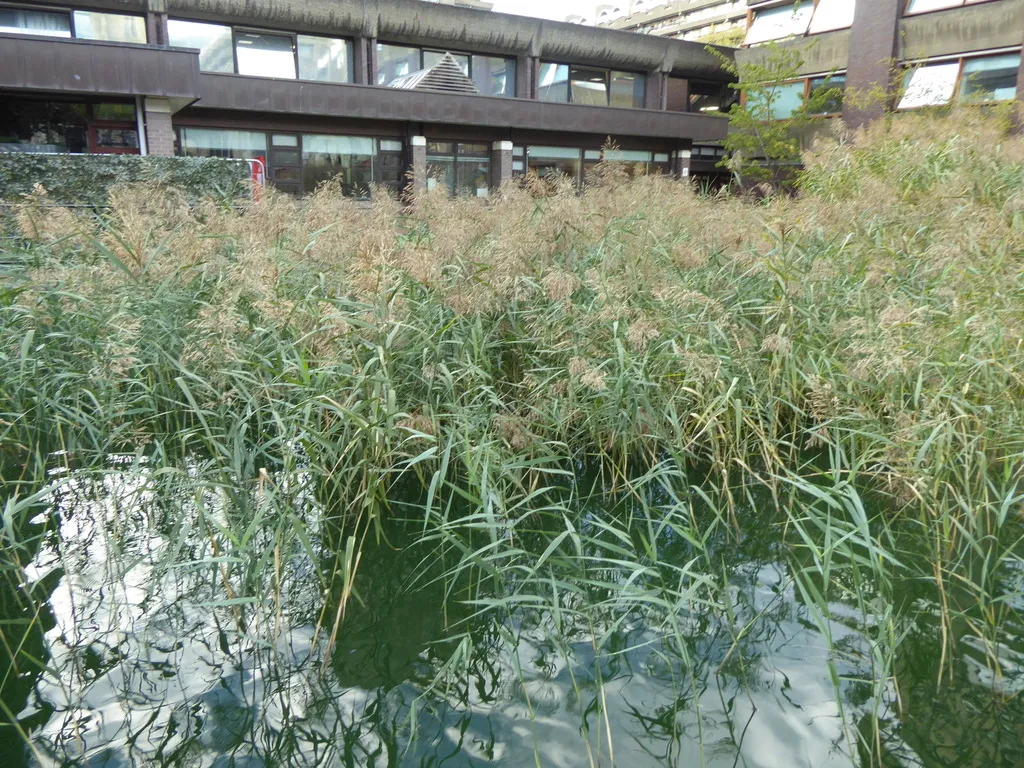
| Care difficulty | 3 / 5 |
|---|---|
| Watering schedule | Moderate regular watering, allowing brief slight drying between soakings |
| Sunlight requirements | Full sun |
| Ideal temperature | Information to be completed |
| Soil type | Chalk · Clay · Loam · Sand |
| Soil pH | Acid · Alkaline · Neutral |
| Soil moisture | Moist but well drained · Poorly drained |
| Fertilizing | Balanced perennial feed every four weeks from spring through summer |
| Toxicity | Information to be completed |
How to Water common reed?
Moderate regular watering, allowing brief slight drying between soakings
Learn more →What Are the Sunlight Requirements for common reed?
Full sun
Learn more →What Is the Ideal Temperature Range for common reed?

Information to be completed
Learn more →What Soil Is Best for common reed?
- Soil type
- Chalk · Clay · Loam · Sand
- Soil pH
- Acid · Alkaline · Neutral
What Are the Moisture Requirements for common reed?
Moist but well drained · Poorly drained
Learn more →How to Fertilize common reed?

Balanced perennial feed every four weeks from spring through summer
Learn more →How to Prune common reed?

Cut back in late autumn or winter
Learn more →How to Propagate common reed?

Propagate by division from early spring to early summer
Learn more →How to Transplant common reed?
Information to be completed
Learn more →How to Care for common reed in Winter?

Information to be completed
Learn more →How to Plant common reed?
Grow in deep, moderately fertile, reliably moist soil in full sun; it needs ample space and has the potential to become a nuisance in favourable conditions if not managed well. In riverside, lake or pond areas can be grown in large containers sunk in water to restrict growth and provides ideal habitats for rare and endangered birds.
Learn more →How to Repot common reed?
Information to be completed
Learn more →How to Harvest common reed?

Information to be completed
Learn more →Common Pests & Diseases

Diseases
Generally disease- free
Pests
Generally pest-free
Explore the plant health library →The Toxicity of common reed
Information to be completed