
common reed
Also known as: bennels; carrizo; Danube grass; ditch reed; nal; Norfolk reed; pole reed; spire reed; spires
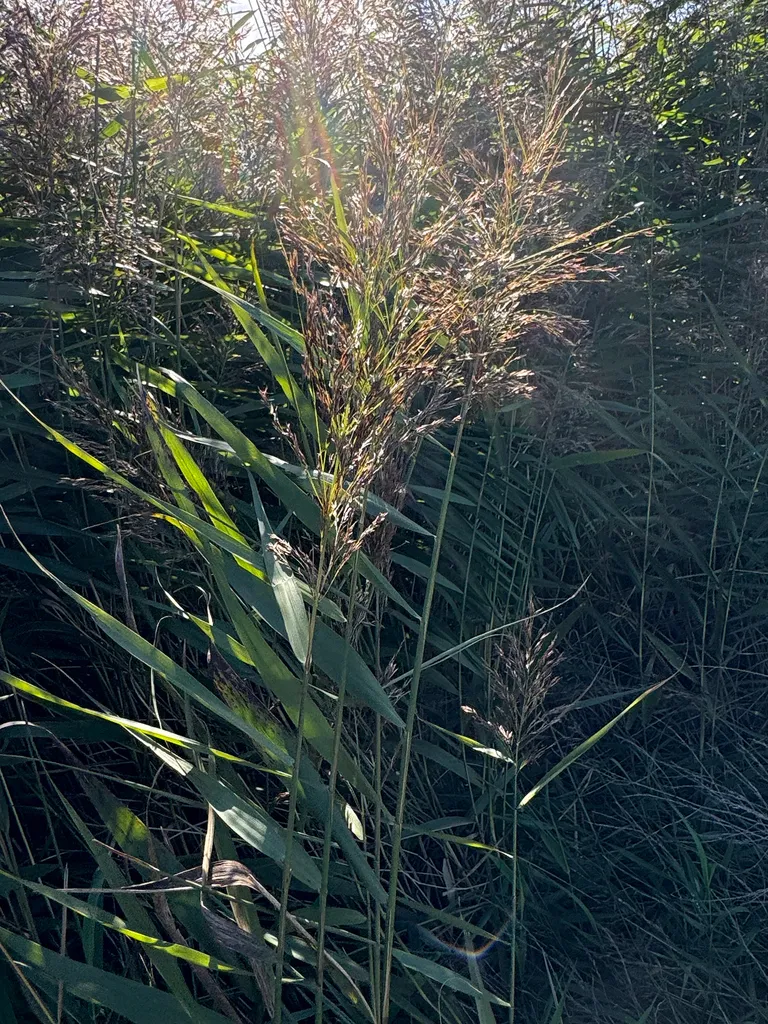
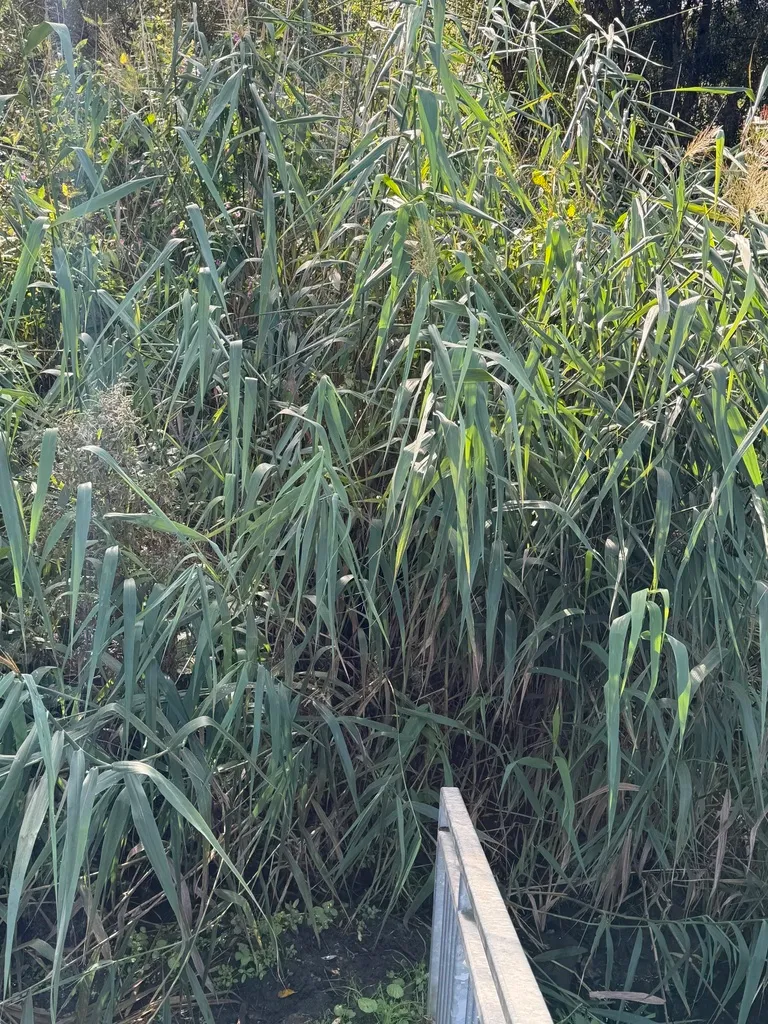
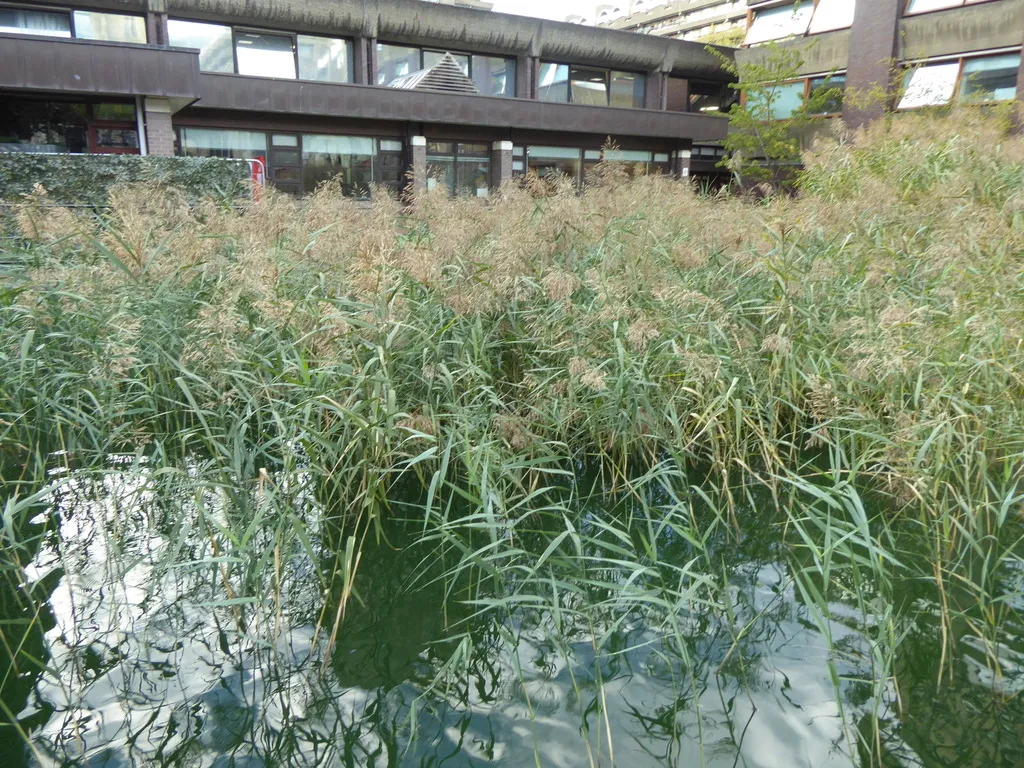
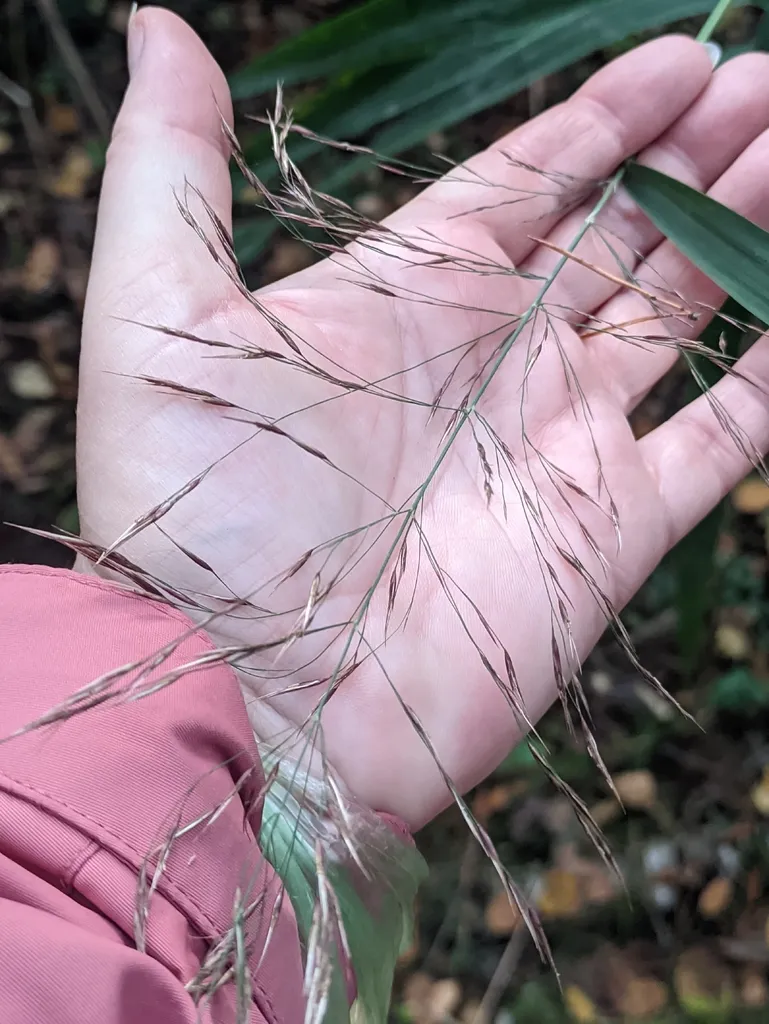
P. australis is a vigorous reed grass to 3m in height, spreading by rhizomes and forming an extensive colony of erect, leafy, robust stems with drooping linear leaves which turn light brown in autumn, and terminal dark purple flowering panicles from late summer
Scientific classification
- Species
- common reed (Phragmites australis)
- Genus
- Phragmites
- Family
- Poaceae
- Information to be completed
- Toxicity
- Grass Like · Bogs
- Plant type
- 2.5-4 metres
- Height
- 2.5-4 metres
- Spread
- Deciduous
- Foliage
- Tufted
- Habit
- Autumn · Spring · Summer
- Season of interest
- Full sun
- Sunlight
- Information to be completed
- Ideal temperature









common reed pictures
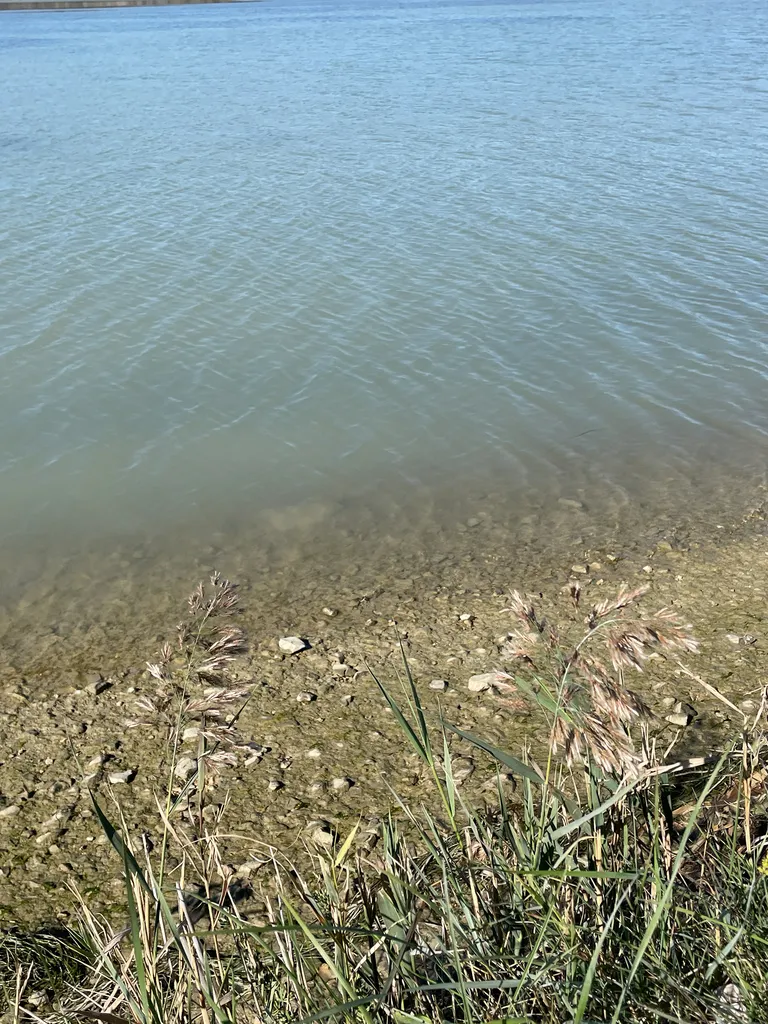
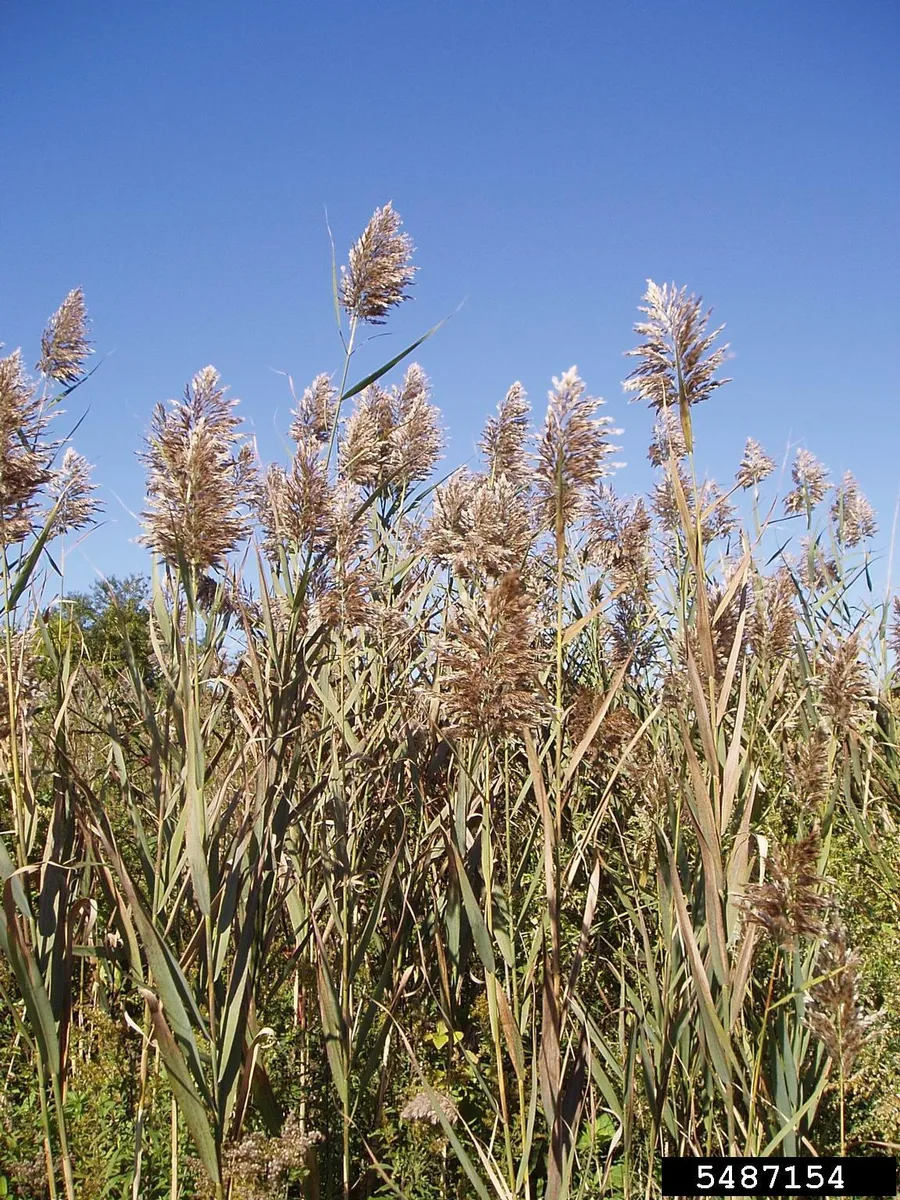
Distribution of common reed
Distribution map
Information to be completed
Information to be completed
Culture
Information to be completed
Toxicity
Information to be completed
Quick identification of common reed
Information to be completed
common reed care guide
- Moderate regular watering, allowing brief slight drying between soakings
- Watering
- Full sun
- Sunlight
- Information to be completed
- Ideal temperature

Watering
Moderate regular watering, allowing brief slight drying between soakings
Fertilizing
 Fertilizing
Balanced perennial feed every four weeks from spring through summer
Pruning
 Pruning
Cut back in late autumn or winter
Propagation
 Propagation
Propagate by division from early spring to early summer
Growing
 Growing
Grow in deep, moderately fertile, reliably moist soil in full sun; it needs ample space and has the potential to become a nuisance in favourable conditions if not managed well. In riverside, lake or pond areas can be grown in large containers sunk in water to restrict growth and provides ideal habitats for rare and endangered birds.
People also ask
Information to be completed
Common pests and diseases
Diseases
Generally disease- free
Pests
Generally pest-free
Explore the plant health library →




